
Commercial Roofing for School Districts in Plano, TX
Home / Industries We Serve / School Districts
During the February 2021 freeze, burst pipes and water damage cost Collin College more than $2.1 million, and the Plano Campus took the hardest hit. That was a plumbing failure, not a roof failure, and it doesn't mean other campuses have roof damage. It's a good reminder, though, that a district needs to know which room was affected, what the roof inspection found and what belongs to the plumber before authorizing work.
Roof work above classrooms has two sides: the repair itself and the school's own rules for doing it. What we find on the roof defines the roofing job. The school's facilities staff set access and operating rules. We keep both clear in every Plano scope we write. The district contact can review a price that includes prep and a watertight finish, then arrange access for the actual work. "School roof repair" doesn't tell anyone what will be built or when crews can be on site.
Every school building is different, whether it's a newer campus off Spring Creek Parkway or an older building near downtown. A roof condition report records the roof system and the limits of our inspection for that building, rather than assuming what's up there because it's a school.
The facilities request locates the concern
We start by confirming the building and the classroom, roof area or equipment involved. Interior room numbers are tied to locations on the roof plan. Two campuses may both have a "Room 104," so every photo and line item is tied to the right building. That matters when someone else reviews the estimate later.
What staff reported and what we saw on the roof are kept separate. A stain under a rooftop unit tells us where to look, but it doesn't prove the unit is the leak. We describe the roof conditions we found and any testing still needed. The district then approves the next step based on evidence rather than assuming the leak report already tells us the cause and the fix.
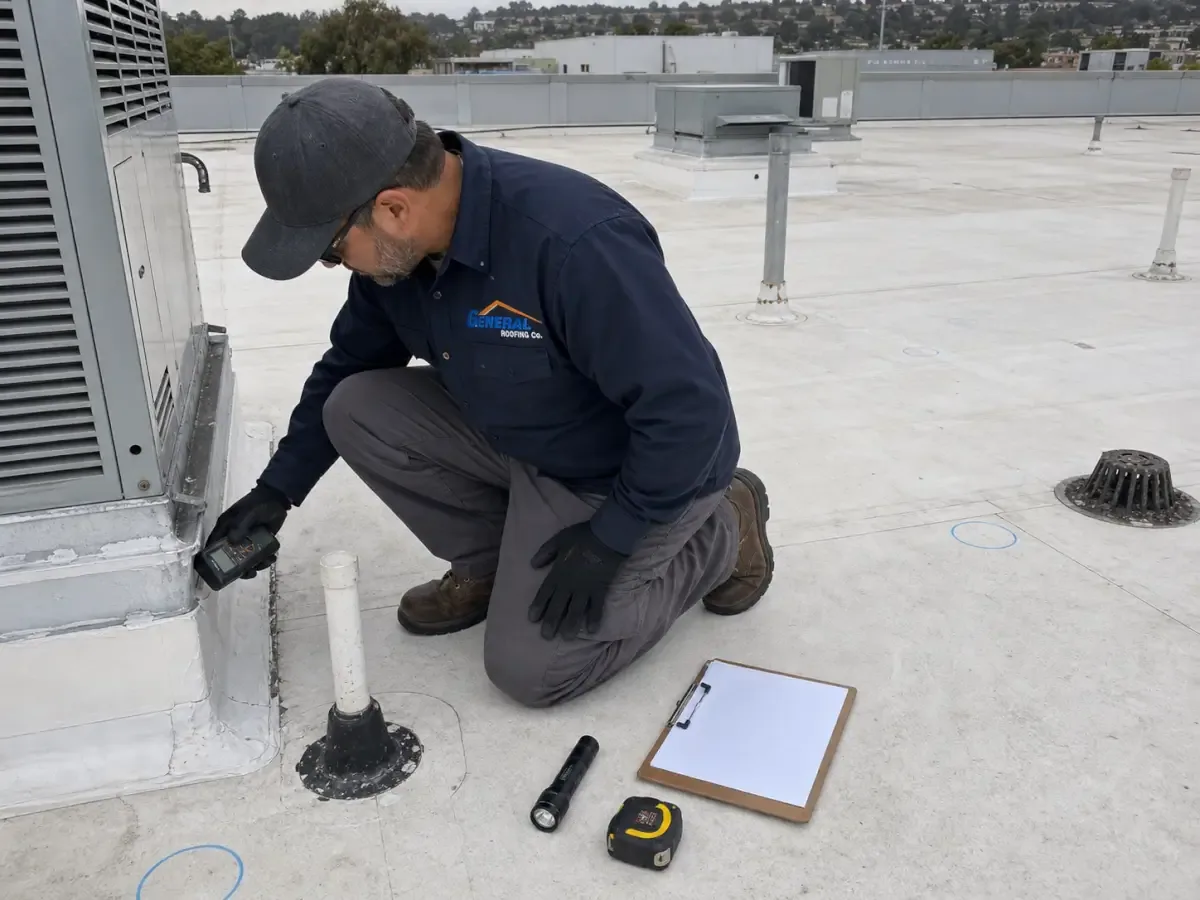
Our commercial roof inspection is scheduled through facilities staff and records what we were able to inspect. Areas we couldn't reach stay marked as uninspected, with what it will take to check them. A locked roof hatch isn't proof that roof section is in good shape.
The assembly determines the correction
We identify the roof system and the wall, drain or pipe flashing involved, then check the existing membrane at the edge of the planned repair. Prep and seaming have to match that system. Patching over a failed wall flashing won't fix it. The scope lists anything that has to be repaired before the new flashing can be finished.
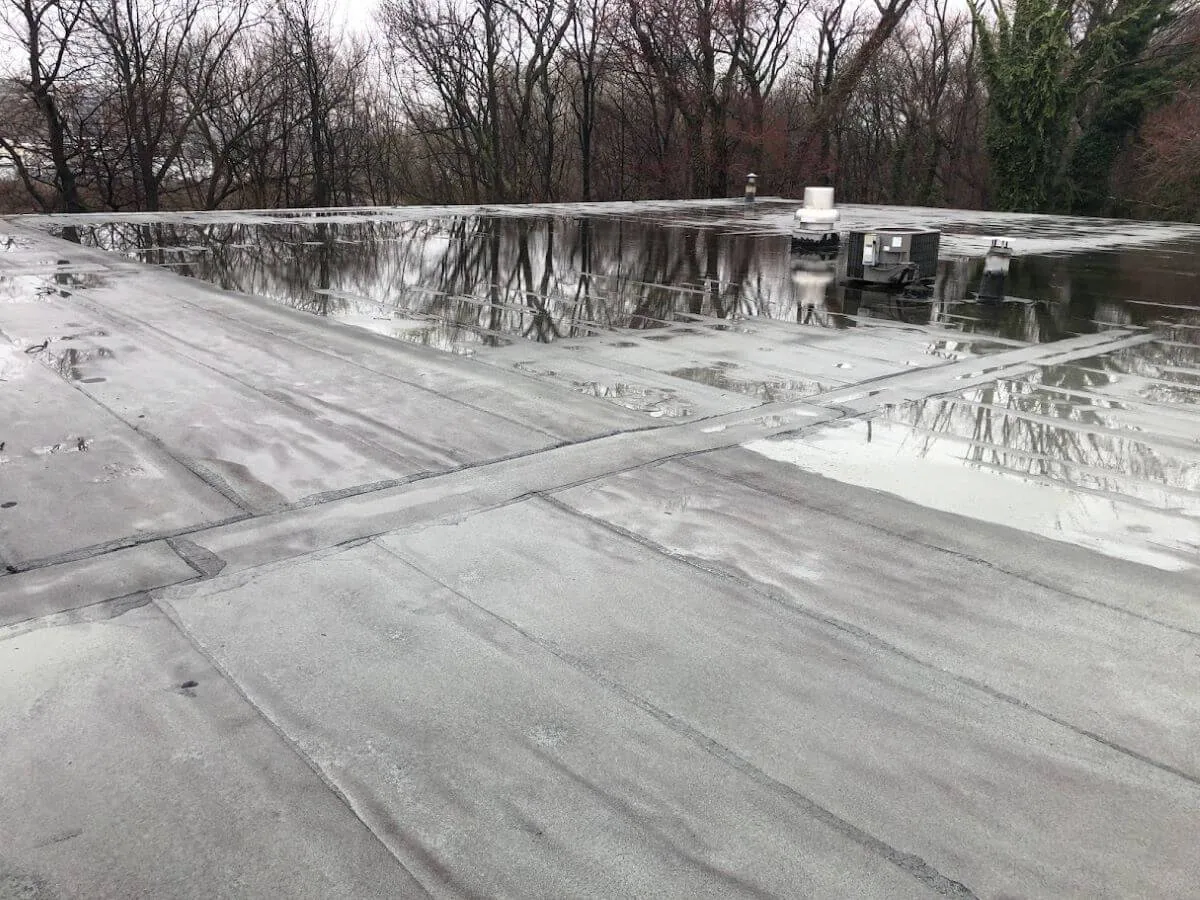
Our commercial roof repair scopes include the prep and any rebuilding the findings support. If we need to check what's under the membrane before deciding what stays, we take a core and note where it was. One test spot doesn't tell us about the insulation across the rest of the roof. The district contact sees exactly what each line item is based on.
Some issues belong to another trade, such as a structural problem, a broken drain line or a leaking HVAC unit. We list those next to the roofing item they affect, so the district can schedule the full sequence instead of finding a missing step after the roofer is booked.
The school confirms project arrangements
We go over the work route, material handling and roof openings with the people authorized at the school. Facilities staff handle the school's own rules through their usual process. We explain the roofing sequence and which other trades are needed. The school then confirms permissions and timing for that job. We don't assume a summer break or a building type tells us when crews can work.
With occupied building reroofing, the plan stays tied to the actual work area. We identify the openings and protection needed for the chosen scope and confirm other trades are ready before the permanent work. A target date doesn't mean the wall, drain or equipment work needed to finish the roof is done.
We only split work into phases where the roof layout allows a clean, watertight stopping point. A school break is a good time to work once the job is understood, but it doesn't decide where the membrane can be tied off. The district sees both the roofing limits and the school's schedule before approving the plan.
The amount gives the district a defined result
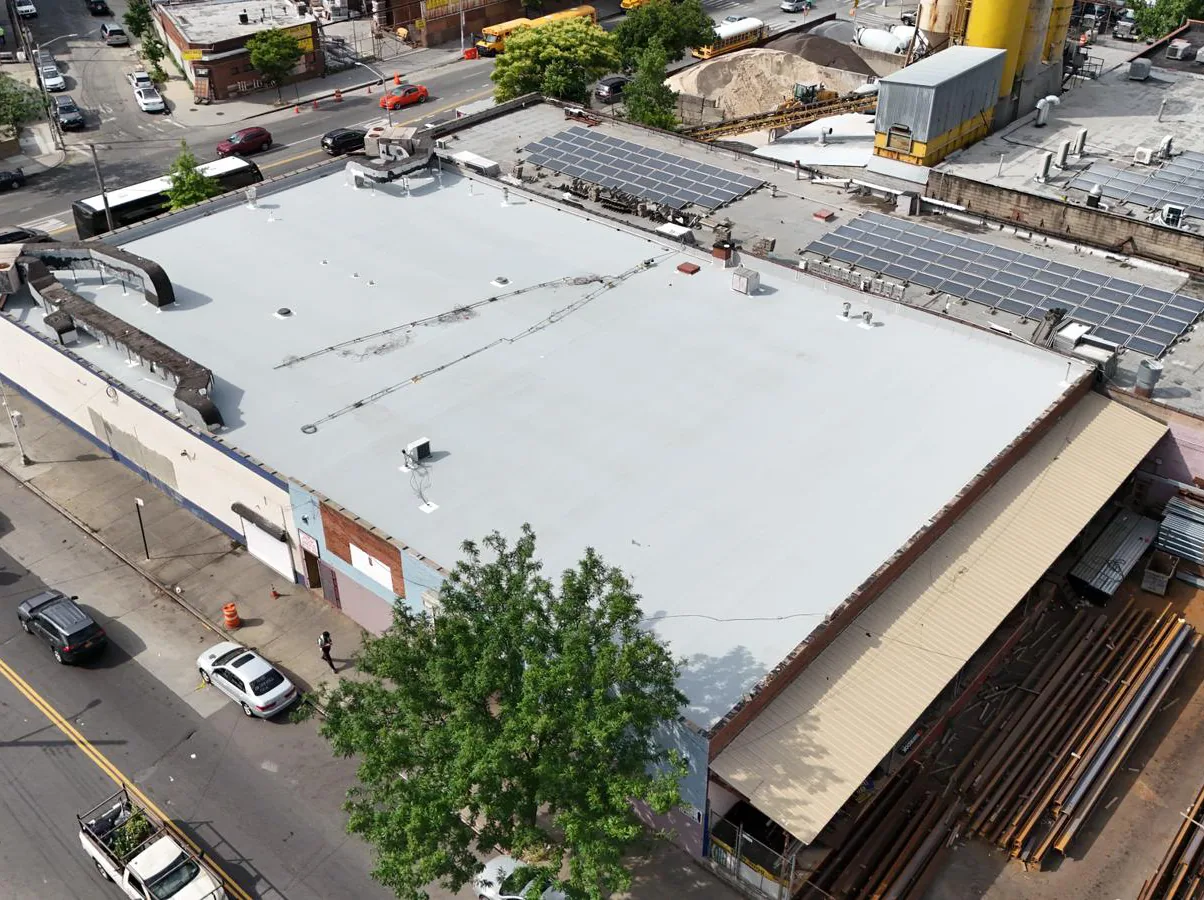
Each price states the tear-off depth, the layers being rebuilt and the flashing and edge work included. We compare a bigger job and a local repair on the same basis. We note what existing material stays at the edge of the repair. A larger membrane area doesn't automatically include every wall or drain fix. The district gets complete scopes it can compare fairly.
A roof capital plan tracks future work beyond the current repair, and each item keeps its own inspection basis. A repair at one school is useful history for that building, but it doesn't tell us what's under the roof at another campus. Budget reviews should keep those differences rather than lumping everything into one roofing number.
Changed material follows the approval process
If tear-off exposes something new, we document it before closing up and explain how it affects the work. The revised scope goes through the agreed approval process, and the roof stays protected while it's reviewed. The district can tie any added cost to what we found. An unexplained change order doesn't help anyone decide what to do next.
For schools near the Collin College Spring Creek campus area, we follow that building's own access rules. When scheduling, tell us the school and the area of roof involved. We confirm the building contact and work rules, and any other trade's work that has to come first stays on the list.
The facilities file explains completed work
We keep located photos of the prepared deck and the finished flashing and seams in the building's file. The record notes which layers were replaced, which were kept and any work still owed by other trades. The district can see what was done without relying on a photo of new membrane. Areas we didn't inspect stay flagged, and a job-complete note never closes out another trade's open item.
We bring the same approach to public agencies and to general contractors on school projects. We also provide emergency roof protection at night, on holidays and on weekends, following the school's access rules. The temporary fix is recorded separately from the permanent repair, so later work starts from its own inspection while the earlier record shows what was done.
Commercial Roofing Questions
What information should a school roof request include?
The building, the room or roof area involved and who's coordinating the visit. We then inspect and record what we find on the roof, separate from what staff reported.
What should be confirmed with the school before the roof is opened?
Access, material handling and any operating rules, all confirmed by authorized school staff. We explain the roofing sequence and other trades involved, and the school's own schedule decides timing, not an assumed calendar.
How do you compare roof work at different campuses?
Each building keeps its own findings, tear-off depth and flashing details next to its price, along with any testing still needed. A repair at one school doesn't tell us anything about the roof at another.
What happens if more damage is found during tear-off?
We document the damaged material and explain how it changes the prep or flashing. The revised scope goes through the agreed approval route while the roof stays protected.
What records do district facilities staff get after the work?
Building-specific photos of the prep and finished flashing, the findings and scope, any work still owed by other trades and the areas we didn't inspect. That history helps with future decisions on each roof.
Define the assigned school roof task
Have your facilities contact schedule a roof assessment for your Plano school. We'll document what we find, explain the complete repair and list the school arrangements and decisions needed before work starts.

Request a Roof Assessment in Plano
Tell us about the building, the roof and what you are seeing. Send a request or call 555-555-5555.