
Distribution Center Roofing in Plano, TX
Home / Property Types We Roof / Distribution Center Roofing
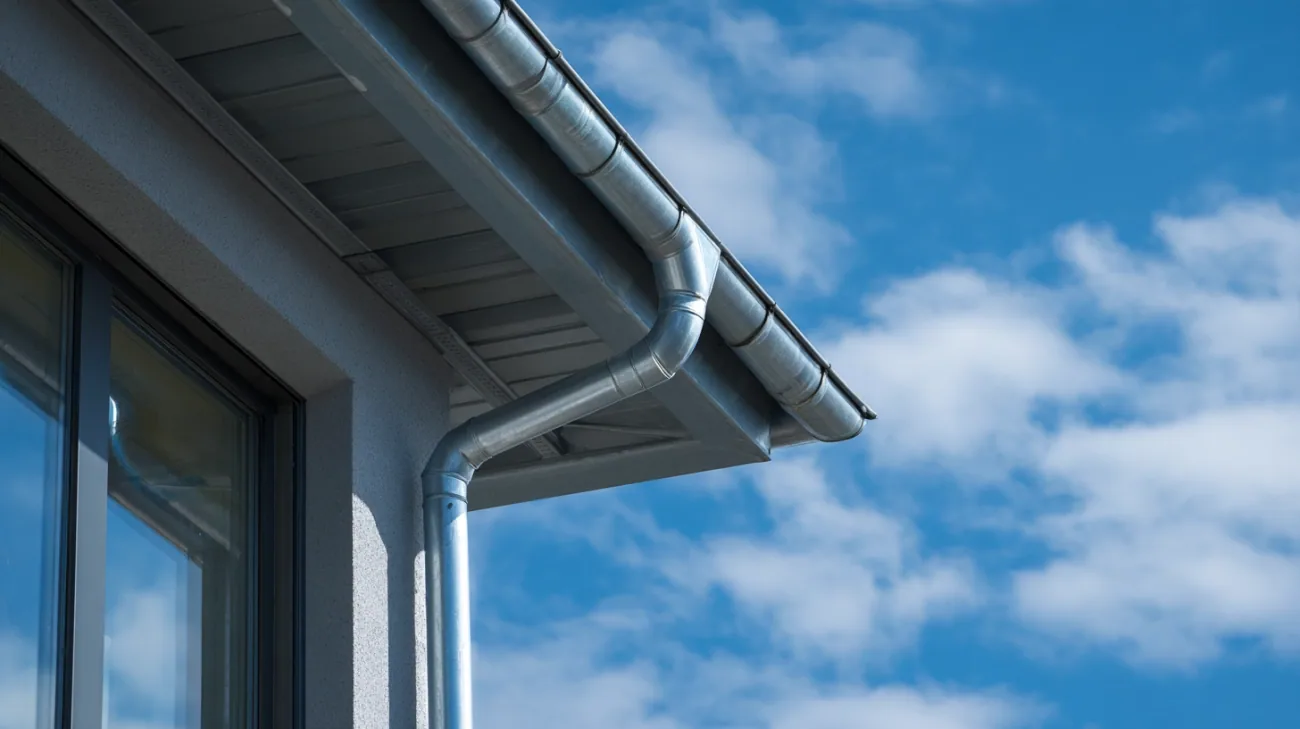
Distribution centers in Plano, TX tend to have long runs of perimeter edge metal, and that's where wind starts peeling a roof back. When the wood nailer behind the edge has rotted or the fasteners have backed out, new metal screwed into it won't hold for long. So before we price new coping or gravel stop, we check what it's fastened to. If the nailer needs replacing, that's part of the repair, along with stripping in the membrane at the new edge. Caulking a loose joint might stop a drip for a season, but it does nothing for a nailer that's falling apart.
Heat matters here too. The National Weather Service's DFW records list August 2023 among the hottest Augusts on record. That's regional data from the airport station, not a reading from your roof, but long stretches of heat are hard on membranes, sealants and metal joints across a big open warehouse roof. To set up an inspection, send us the building address, the roof's age if you know it, any past repair records, and the name of the person who runs the docks and warehouse floor.
Checking the edge and what holds it
An edge metal and coping inspection starts where the problem showed up: a lifted section, a loose cleat, or a leak along an exterior wall. We pull back enough to see the nailer, the fasteners, and how the membrane is terminated under the metal. Rotted wood, rusted fasteners and gaps in the cleat all go into the estimate. If the wall or deck behind the edge needs structural repair, an engineer may need to weigh in, and we'll tell you that up front.
We photograph the nailer and fasteners before the new metal goes on, because once it's installed nobody can see what's underneath. One loose corner doesn't mean the whole perimeter is bad, so we check several spots along the edge and tell you which sections we actually opened. If we couldn't reach part of it, the report says so. An edge that looks fine from the parking lot can still hide wet wood, and the only way to know is to open it up in a few places.
Basing the decision on what we find
Owners often ask whether last summer's heat or a particular storm caused a problem. Usually the roof can't tell us exactly when a fastener loosened or a seam opened, and we won't pretend it can. What we can tell you is what's damaged now and what it takes to fix it. Leaks in a warehouse also travel: water can run along a purlin or down the deck flutes and drip a long way from where it got in. We trace it back and tell you what we confirmed and what still needs a closer look.
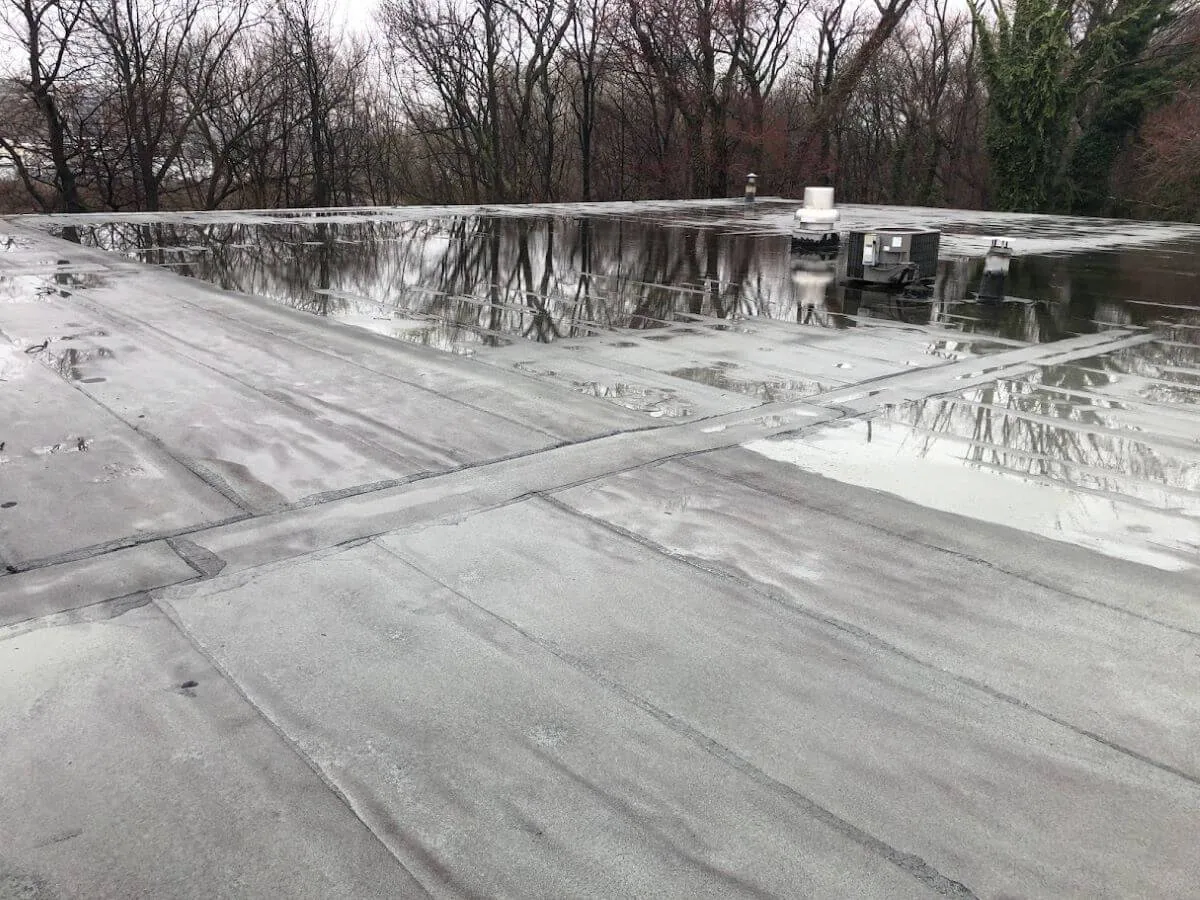
On a roof this size, an infrared moisture survey helps us find wet insulation without cutting the whole roof open. The scan shows likely wet areas, and core cuts confirm them. That tells us whether insulation can stay or has to be replaced, which is often the biggest swing in the price. We patch every core the same day, and we check with your warehouse manager before cutting above racking or product.
What a lasting edge repair includes
A proper commercial roof repair at the edge lists the old metal and membrane removed, the new nailer, the new edge metal or coping, and the membrane stripped in over it. On a TPO or PVC roof that strip-in is heat-welded; on EPDM it's primed and taped; on modified bitumen it's torched or set in adhesive. A coating can stretch the life of sound membrane, but it doesn't replace a rotted nailer or hold down metal that's working loose.
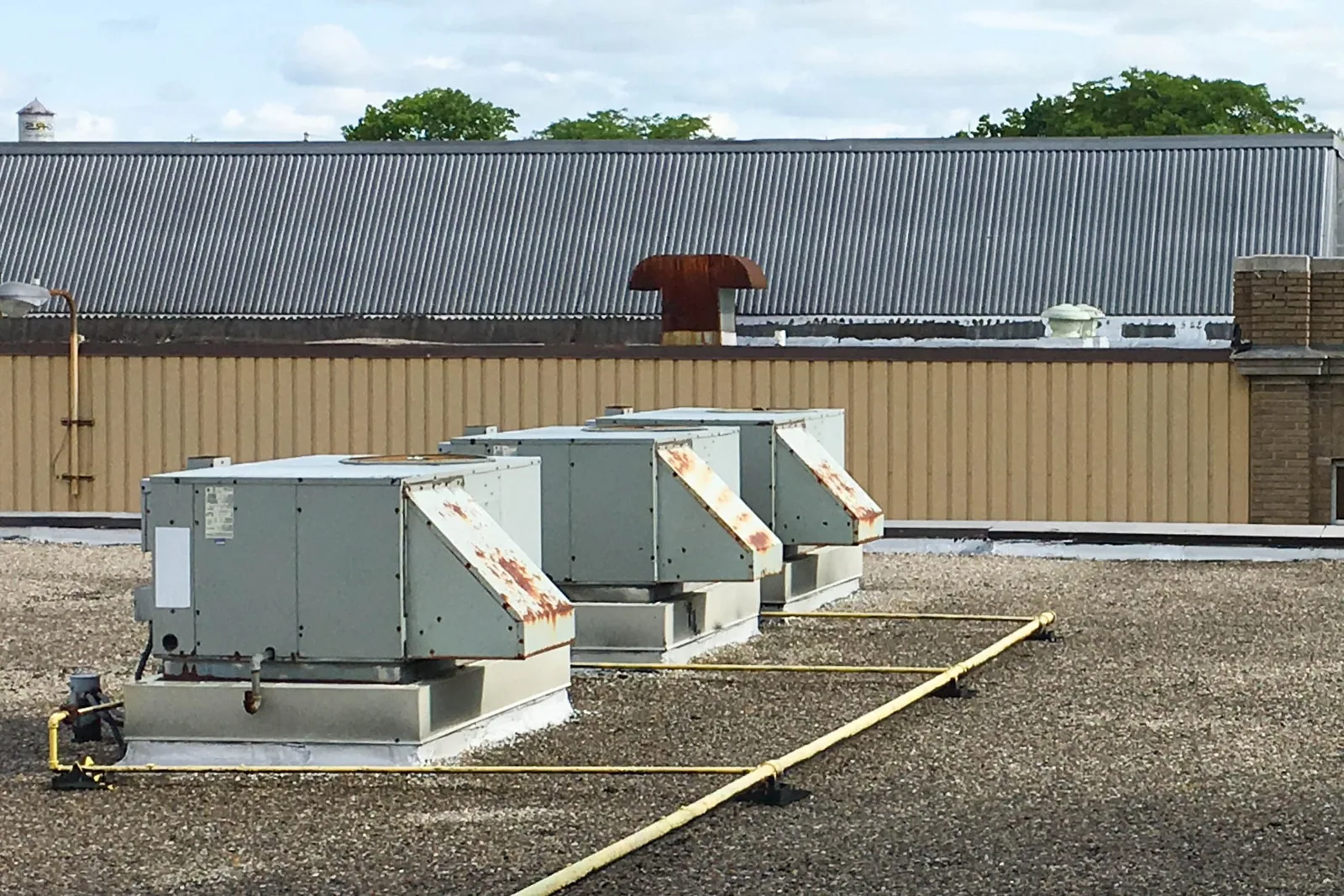
Distribution roofs also carry exhaust fans, rooftop units and sometimes solar racking. If a curb or equipment support sits close to the edge work, the HVAC or equipment contractor disconnects or moves it, and an engineer reviews any structural change. Where a wall meets the roof at the repair, we check the wall flashing and the backing behind it. If a drain or scupper is involved, we rebuild what we can reach and leave the pipe below the deck to a plumber. Each item is listed so you know who's doing what.
Working above a live warehouse floor
Most distribution centers keep running while we're on the roof. Before any work over an occupied building, we meet the warehouse or facility manager to go over what's stored under the work area, where forklifts run, and which dock doors we can use for deliveries and debris. Some operations want product moved or wrapped in poly before we cut; others need us to stay clear of certain aisles during peak shipping hours. That's their call. Getting access to inspect the roof doesn't mean the area below is ready for tear-off.
If we open the roof and the damage goes farther than expected, we stop and call you. You'll hear what we found, how much more needs to come off, and what it adds to the price. If another trade has to rebuild something first, the roof gets a temporary dry-in at the end of the day so nothing gets wet in the meantime. And if the larger area sits over a different part of the warehouse, the manager needs to sign off on that space as well.
What you get when the job is done
At the end of the job we hand over photos of the old nailer and the new edge, a list of what was replaced, and the locations of any core cuts we patched. Work still waiting on another trade, like an HVAC reconnect or a plumbing repair, is listed on its own. If there were spots we couldn't check, the closeout says where. Whoever manages the building next can see exactly what was done and what wasn't.
We serve distribution and logistics buildings around the Plano Parkway industrial area and the rest of the city. Many of the same issues show up in warehouse roofing, especially drains and ponding, while manufacturing plant roofs add process equipment and exhaust stacks. Every estimate comes from an inspection of your building, not another site's roof or a weather table.
Commercial Roofing Questions
What should an edge metal repair estimate include?
The old metal and membrane removed, a new wood nailer if the old one is rotted, the new edge metal or coping, and the membrane stripped in over it. If an estimate only lists linear feet of metal, ask what it's being fastened to. New metal on a bad nailer won't stay put.
Can a record-hot summer mean this roof is damaged?
Not by itself. Regional temperature records come from the airport weather station, not your roof. Heat does stress membranes and sealants, but only an inspection tells you whether your roof actually has damage.
What happens before you open a bigger area?
We stop work, show you the added damage, and give you a revised price. The warehouse manager reviews the new area below before we cut. The roof gets temporary protection until the permanent repair is finished.
What's left for other trades when you're done?
The closeout lists anything still waiting on another contractor, such as reconnecting a rooftop unit or repairing a drain line. We patch our core cuts and note where they are. New edge metal doesn't take care of work assigned to someone else.
Get your distribution roof edges checked
Send us the building address and where you're seeing loose metal or leaks. We'll inspect the edges and the roof, then give you an estimate that lists the nailer, metal and membrane work.

Request a Roof Assessment in Plano
Tell us about the building, the roof and what you are seeing. Send a request or call 555-555-5555.