
EPDM Roofing in Plano, TX
Home / Roof Systems / EPDM Roofing
Fixing an EPDM seam means choosing the splice materials and the prep together. Black rubber roofing is easy to recognize, but the specific product still matters when new material has to bond to an old membrane. For EPDM work in Plano, we sort out those details first. You should be able to follow the proposal from the problem we found to the prep, splice and flashing work being priced.
The February 14-17, 2021 winter storm put North and Central Texas roofs through days of ice and freezing temperatures. For a building like the Plano Municipal Center on K Avenue, or any EPDM roof in the city, we review the roof areas and existing materials before choosing a repair method. The scope shows the layers underneath and the exact seam or flashing work needed at each location.
Identify the rubber membrane at the work area
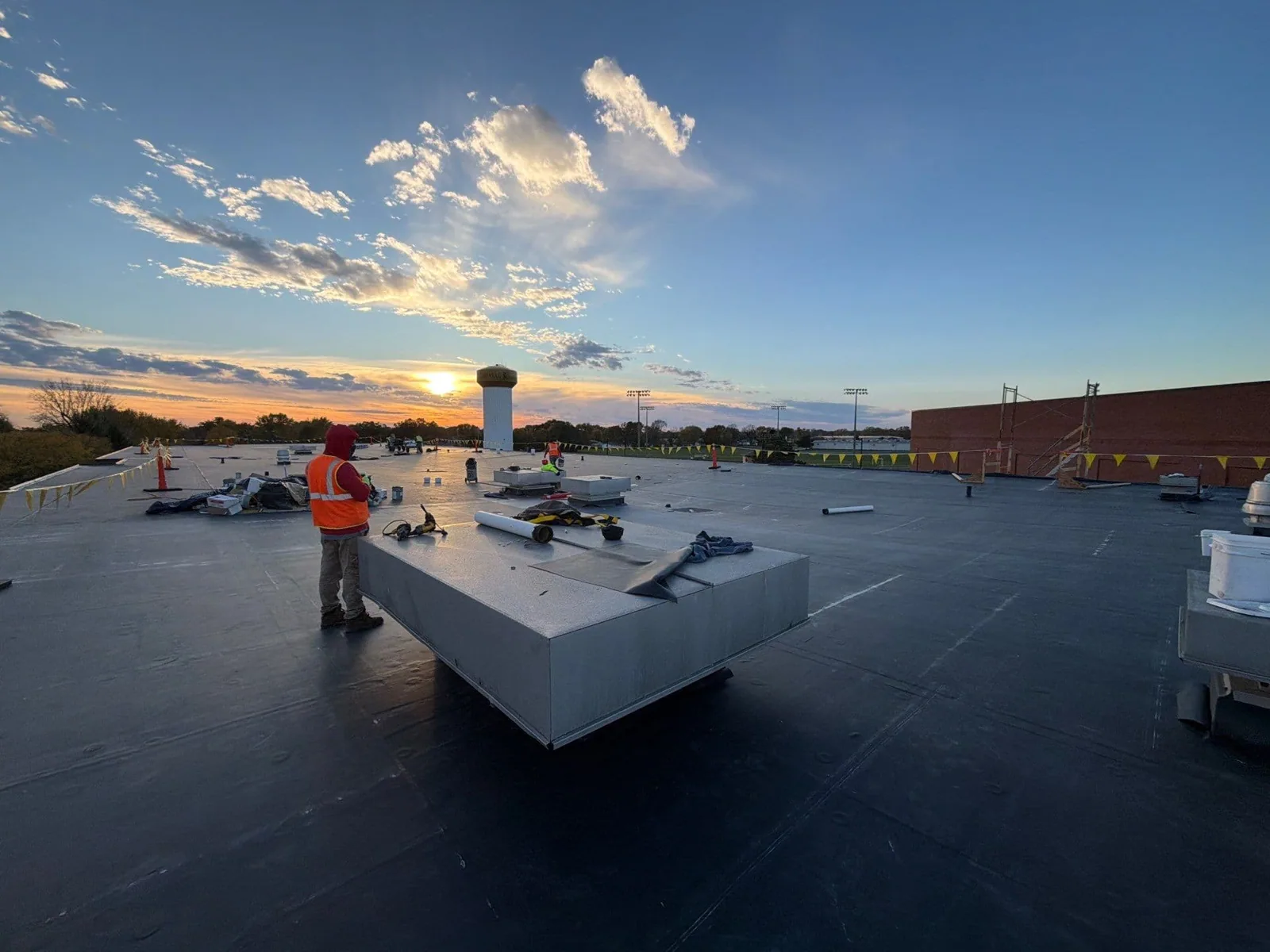
EPDM is a synthetic rubber roofing membrane. We identify the specific product, whether it's what we're installing or what's already on the roof where the repair will tie in. Old patches and flashing materials are noted too. If we can't tell what a material is, we check before the new seam depends on a guess. "It's black rubber" doesn't answer the question at an old repair.
Where Holcim Elevate's RubberGard EPDM is the chosen product, we use its matching splice components. The estimate lists the membrane and accessories together. If another EPDM system is considered, it's described separately with its own method. You'll know which materials make each seam, instead of treating every rubber patch as the same job.
Locate the preparation perimeter
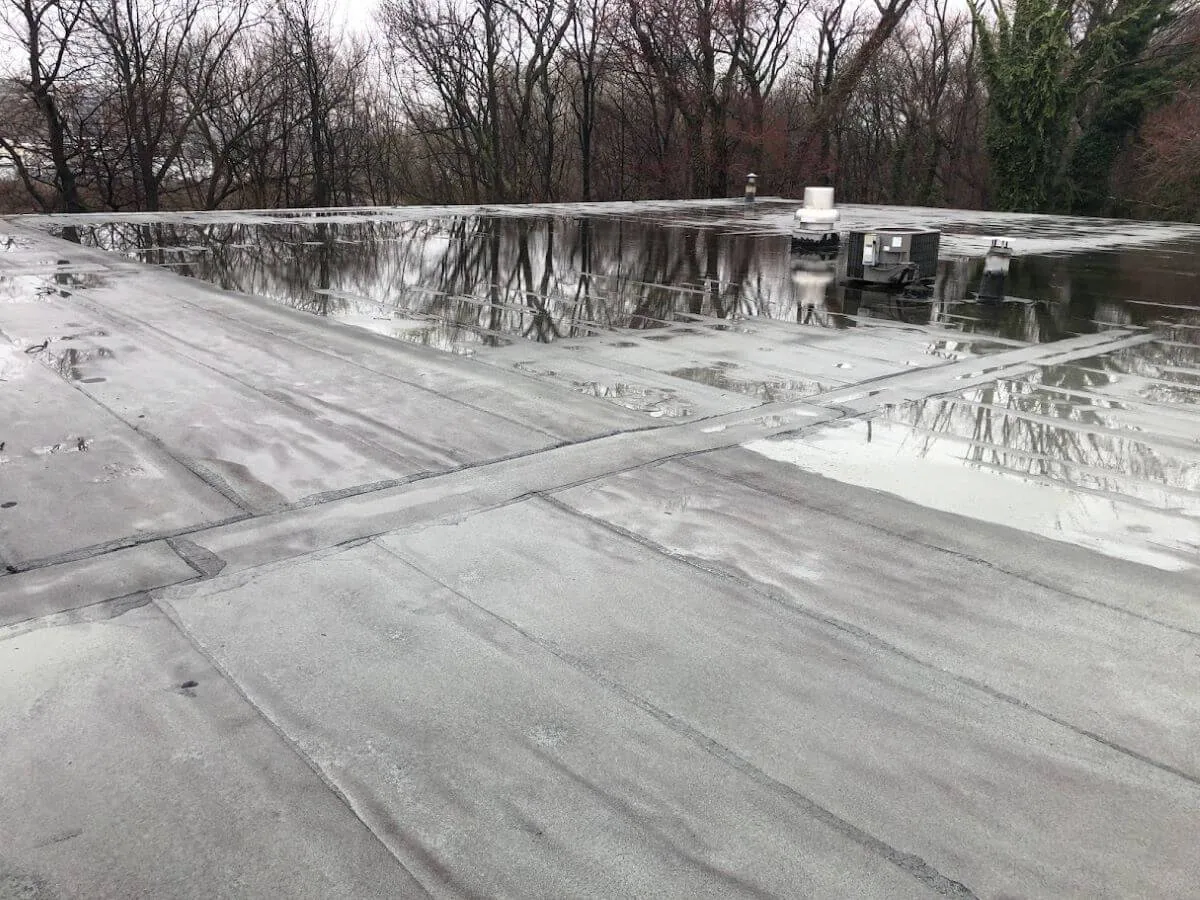
We check the membrane where the repair will tie in and keep a roof location with every detail photo. Old coatings and the membrane staying in place are noted. The product's instructions decide how that edge is prepped. A damaged area often needs a different repair boundary than the outline of an old patch, so we mark the surface the crew will actually bond to.
Our commercial roof repair scope sets that boundary. Any cut-out needed to reach good membrane is listed separately from larger insulation work. You can compare the repair quantity with what we found. Prep is its own line in the estimate, so the new splice is priced as a complete repair, not a patch with the surface prep left unexplained.
Specify the splice preparation and tape
Holcim Elevate QuickSeam Splice Tape is made for field-splicing RubberGard EPDM panels and flashing. Its technical information calls for specific QuickPrime primers and a QuickScrubber or QuickScrubber Plus pad and handle to clean and prime both surfaces. A proposal using that tape should list the prep and the tape together, following the product specs and detail drawings.
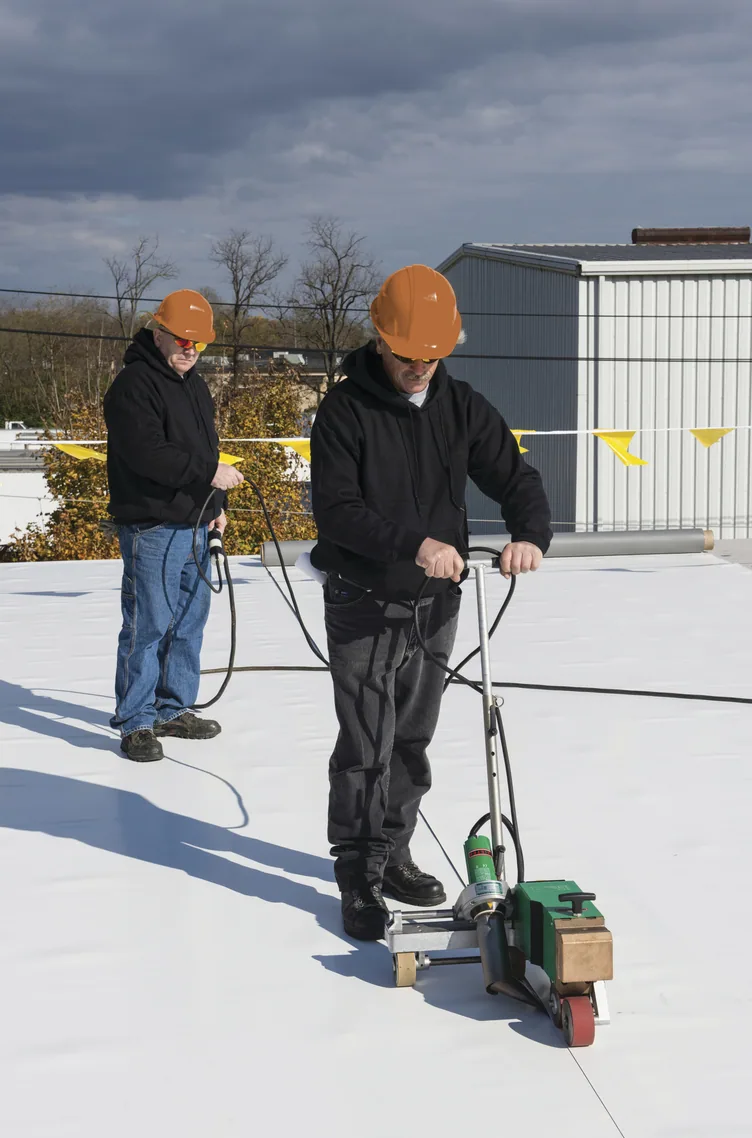
A TPO roof is joined in a completely different way, with heat-welded seams instead of tape and primer. Saying both proposals "join the sheets" doesn't describe the work. We keep the EPDM splice materials and prep with the EPDM estimate, so you can see exactly what the crew will do and how it differs from another system on the same roof.
Review the layers and attachment
The EPDM sheet also needs the right base under it. We identify the deck or existing roof, the insulation and the fastening or adhesive method for the area. Where hidden conditions affect whether material can stay, we test. A seam repair shouldn't turn into an insulation replacement without a finding to justify it.
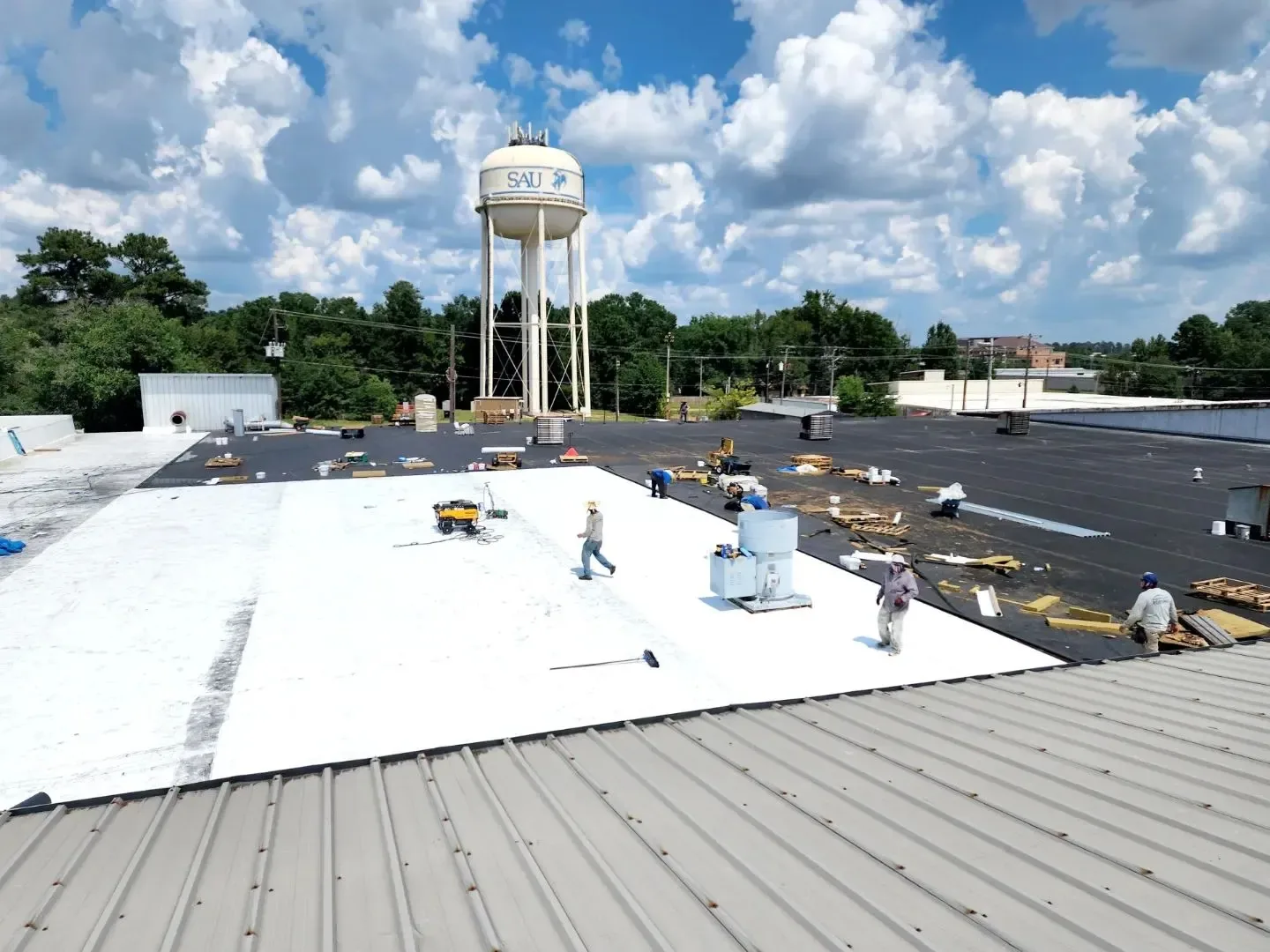
For a campus building such as one at Collin College's Spring Creek Parkway campus, roof records and the areas we can reach would guide the review. A PVC roof alternative needs its own full description of layers and attachment. You can compare what each total covers and see where one option includes tear-off or deck work the other hasn't addressed.
Define the flashing material at each component
We identify the EPDM flashing planned at each curb, drain, pipe and roof edge, and review the component and flashing method together. If a curb or pipe needs repair first, it's listed next to the roofing step it allows. The estimate describes the finished flashing, including the membrane prep and the accessory used at that detail.
Our skylight and penetration flashing review lays out the curb work and the finished flashing. Where an old repair is staying, we check how it meets the new work. If another trade handles the curb or unit, that step goes into the schedule. You can follow the repair from the existing condition, through the curb work, to the new flashing that seals it.
Preserve the installed splice account
We record the EPDM product, splice materials and repair locations along with photos of the work. Prepped edges stay identifiable in the record, along with the detail finished there. If the repair area changed after a closer look, the location and reason are noted. The closeout describes the seam that was installed, not a vague "rubber roof repair."
For Downtown Plano buildings and across the city, you'll be able to find the work you paid for during a later inspection. The next contractor can tell new seams from older patches still on the roof. You also have a solid basis for comparing future repair proposals, with the product, base layers and repair boundary from this job on file.
Commercial Roofing Questions
How do you identify the EPDM at a repair?
We confirm the membrane and any old patches where the repair will tie in, and keep the product and accessory materials with the repair description.
Why does the prep area around an EPDM repair matter?
Because the new seam depends on the surface it bonds to. We define the prep and any cut-out needed at that spot before comparing patch quantities.
What should a scope include when QuickSeam splice tape is used?
The specified cleaning and priming steps along with the tape, following the product specs and detail drawings for the RubberGard seam being made.
How is insulation work different from a seam repair?
Insulation work depends on what we find under the membrane and how deep the tear-off goes. It's listed separately from the seam repair unless the scope includes both.
What records should we get after an EPDM repair?
The membrane and splice products used, the prepped repair locations, photos of the work and notes on any change to the repair area and why.
Define the EPDM splice and flashing work
Schedule an EPDM roof review in Plano. We'll record the membrane and base conditions and explain the prep, splice materials and flashing work your roof needs.
Request a Roof Assessment in Plano
Tell us about the building, the roof and what you are seeing. Send a request or call 555-555-5555.