
TPO Roofing in Plano, TX
Home / Roof Systems / TPO Roofing
Seams and flashing deserve a clear place in any TPO proposal. The membrane square footage is part of the job, but the bid also has to explain how the sheets are joined and how every curb, drain and edge is sealed. We look at the existing roof and the proposed product before writing those steps for Plano TPO roofs. Then you can compare complete scopes instead of treating "TPO" as the whole description.
August 2023 was among the hottest Augusts on record at DFW, and white TPO roofs get plenty of sun in Plano. For a large building like the Plano Municipal Center on K Avenue, or any TPO roof in the city, we review the roof areas and what we can reach. Our recommendation covers the membrane choice, the layers underneath and the detail work needed.
Identify the actual TPO product
TPO is a family of roofing membranes joined by heat welding. The proposal needs the specific product and installation method for your roof. "TPO" alone leaves the insulation and detail materials unclear. We name the sheet and its accessories together so the work can be checked against what's actually on the roof.
A Versico TPO proposal, for example, names the membrane and accessory materials. If an alternative is considered, it keeps its own product and full method. You'll know which product the current bid is based on and what changes with another choice, rather than guessing from a manufacturer's name on a substitute.
Review the receiving roof assembly
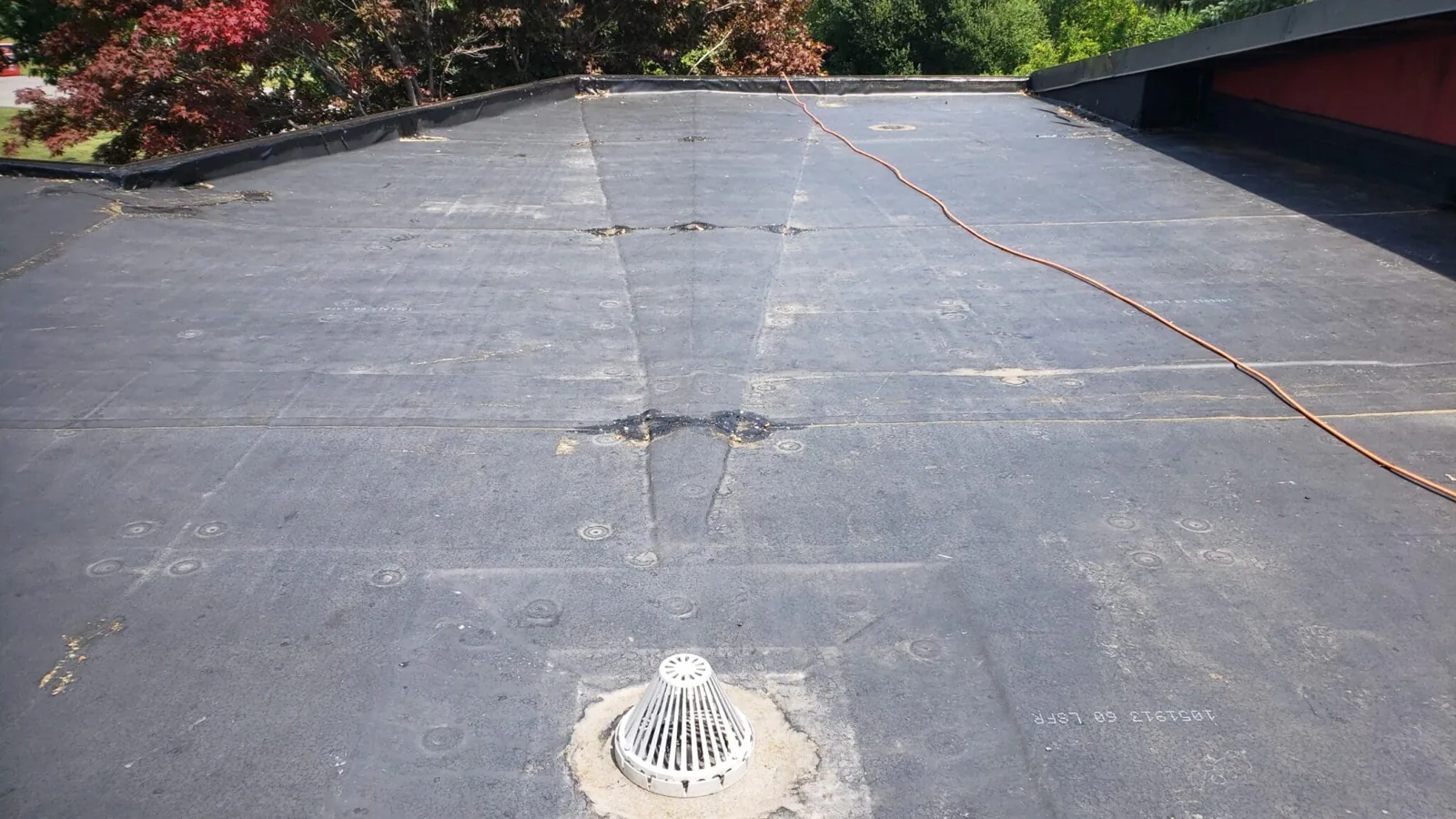
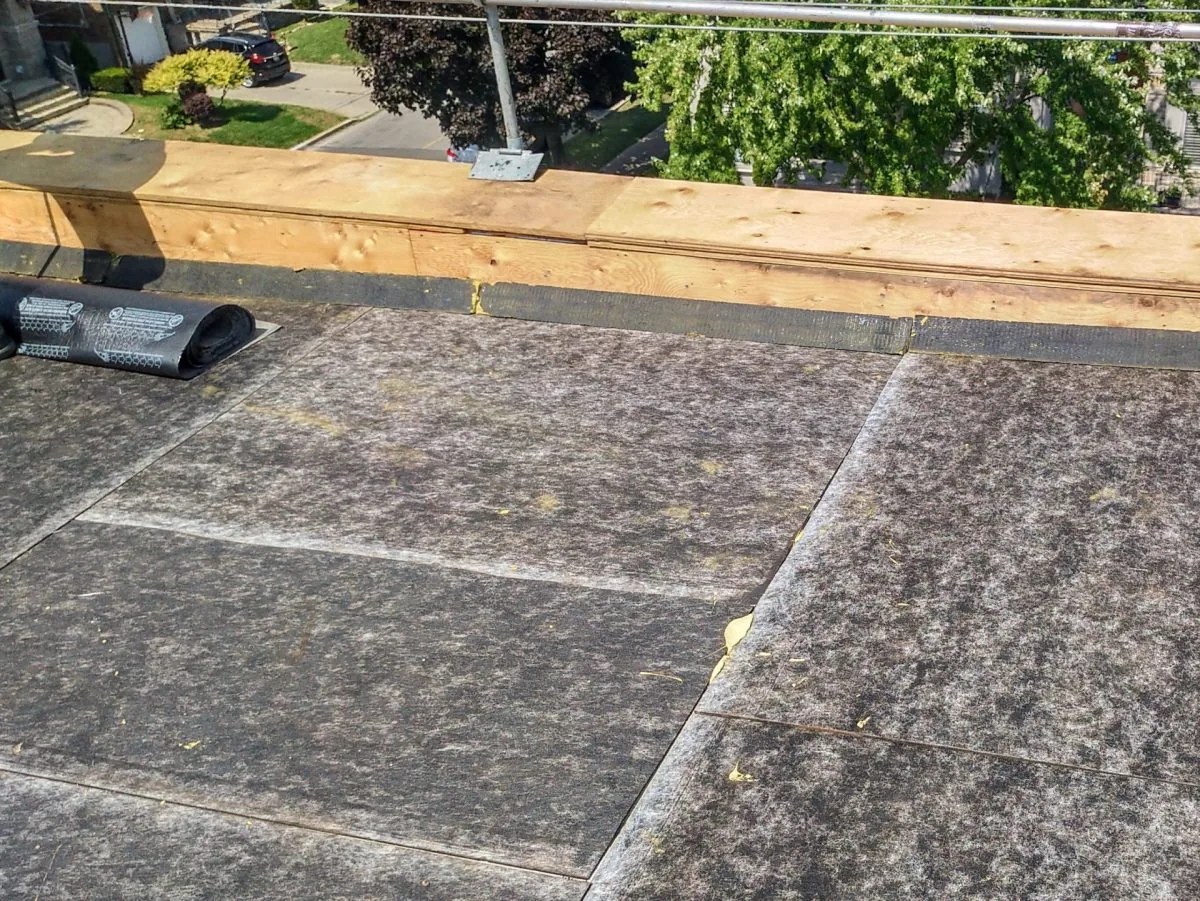
We identify the deck or existing roof under the new installation and the insulation, cover board and fastening proposed. What we see on the surface can't tell us about every layer underneath. If something needs to be confirmed before the system is final, we mark the spot and recommend testing.
Our roof insulation and cover board assessment shows what stays and what goes under the new membrane. If tear-off is planned, we show the area and depth next to the new materials. Where new TPO meets an existing roof, that tie-in is detailed too. You can tell a membrane installed over checked insulation from an option that includes extra tear-off, instead of comparing two "TPO" totals that describe different roofs.
Develop the heat-welded seams
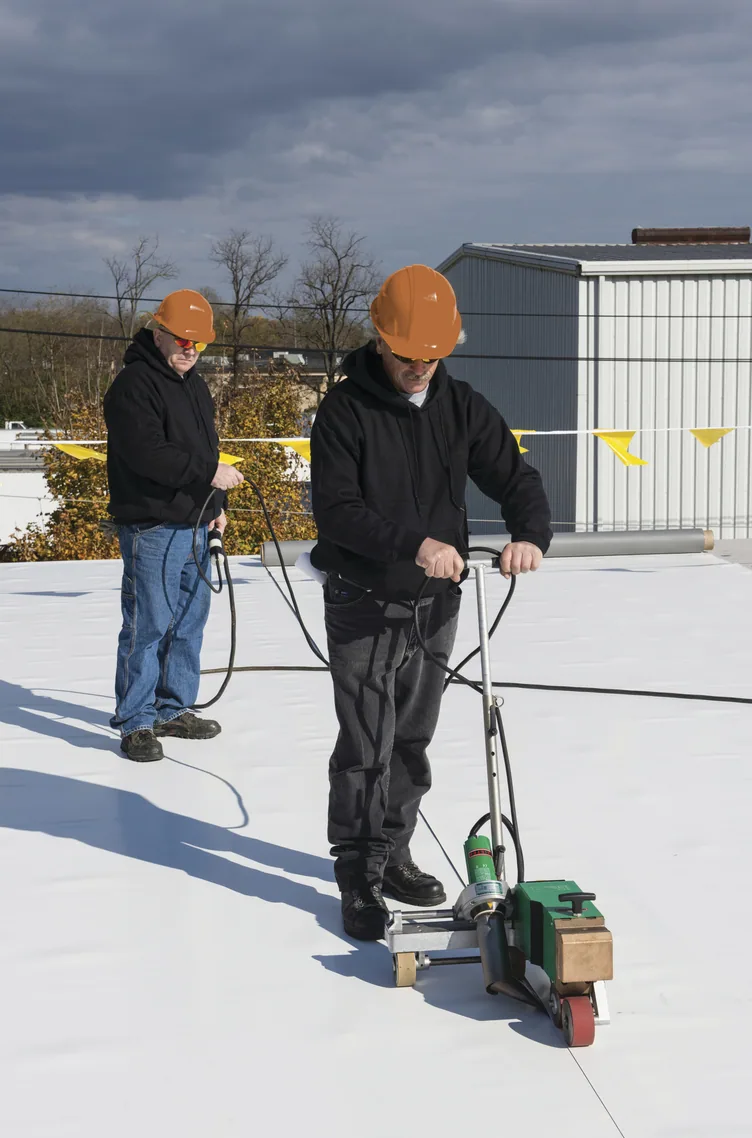
The TPO product's own method controls the seam welding. We show the sheet layout and the welding involved, including details that need separate steps. The crew follows the product requirements for the materials and weather that day. New installation and repairs to aged membrane can need different prep before welding.
A PVC roof is also heat-welded, but it's a different product system. Comparing the two means looking at each product's own materials and details, not assuming one welding method fits every membrane. The prepped repair edge or new seam layout stays tied to the installation quantity under review.
Check the cooled weld and material condition
Versico's guidance calls for probing seams after the weld cools, and rechecking any seam that's been repaired. It also separates seam checks from membrane damage: TPO that's been overheated during welding may need an overlay repair even if the probe doesn't find an open seam. Those are two separate questions, and the repair record should keep them apart.
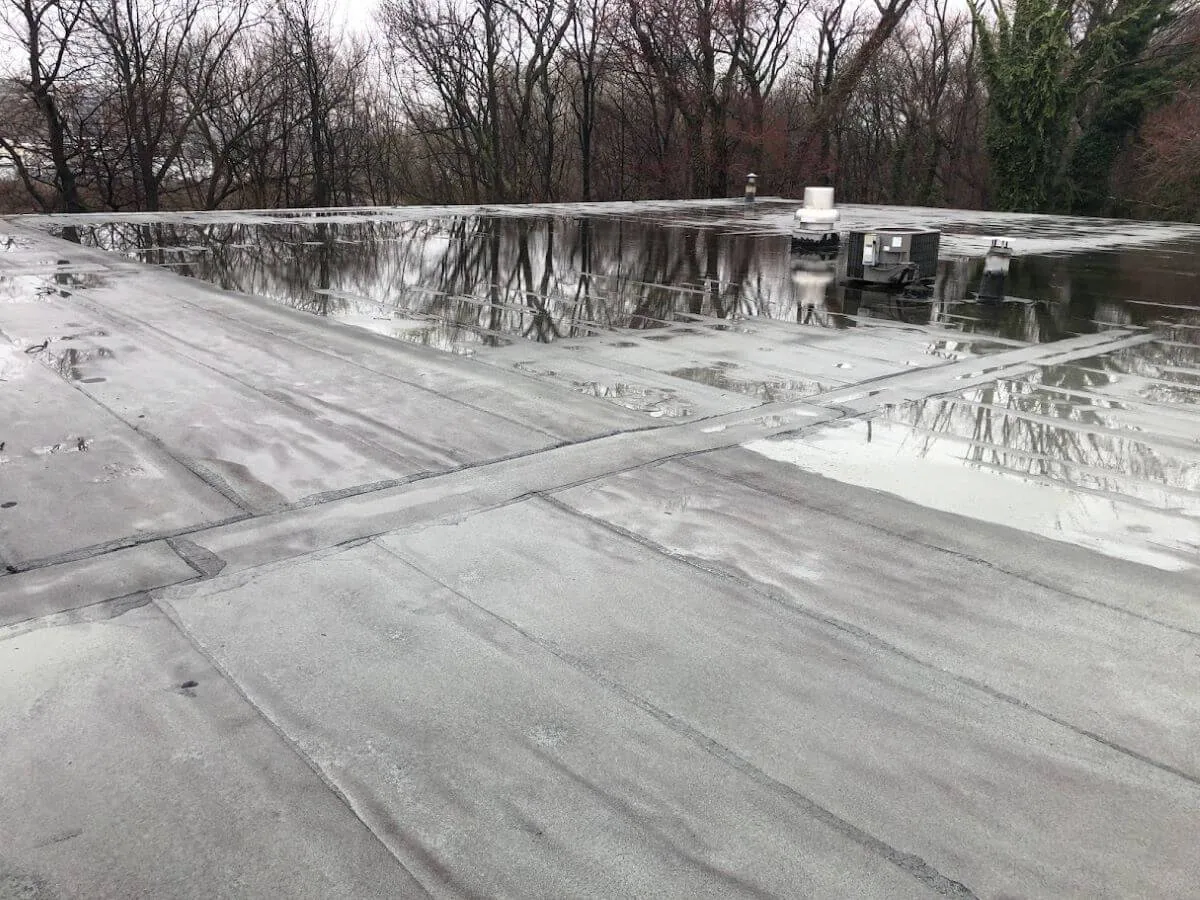
Our commercial roof repair scope lists seam repairs and heat-damaged membrane repairs as separate items. We identify the existing membrane and the detail checked before defining the repair. An open seam is listed with its fix, and scorched membrane is located separately if it needs another repair. That's why a seam item and a membrane repair item can show up for the same spot. You'll know whether the work fixes an open seam, damaged membrane or both. A note that says "seams probed" can't explain a different problem found right next to the weld.
Connect flashing and component work
We review drains, curbs, pipes and roof edges alongside the new membrane. We identify the flashing material and what it seals to. If a curb or drain needs work first, we note who does it and when. The TPO scope describes the finished flashing, including curb work that a square-foot price might not show.
On a campus building such as those at Collin College's Spring Creek Parkway campus, we'd review roof and equipment records before defining the work. A KEE roof is another option with its own product and flashing method. The manager can see what each option installs at the same curbs and drains, including any repairs needed next to the membrane.
Retain the seam and detail account
We record the installed membrane, the roof areas and every finished detail location, along with photos and seam check notes. Any repair made during the job is recorded with its location and follow-up. A note that says "TPO installed" can't show every detail a future contractor may need to check.
For Downtown Plano buildings and across the city, you'll be able to find the work and see what was installed. That helps when comparing a future repair or planning an equipment change. If a leak is reported later, the same roof references make it easy to follow, with seam repairs and any separate membrane repair still visible in the record.
Commercial Roofing Questions
What should a TPO bid say about the membrane?
It should name the specific membrane and accessories and how they're installed, along with the insulation and flashing work included.
Why should the bid describe the layers under the TPO?
Because the full roof includes the insulation or existing roof underneath and how it's fastened. Tear-off depth and any testing should be listed where they aren't settled.
How does Versico treat seam probing versus heat damage?
Seams are probed after they cool and rechecked after repair. Overheated TPO may need an overlay repair even if the probe doesn't find an open seam.
Can a PVC or KEE bid use the same welding description as TPO?
No. Each product has its own instructions. Compare the full sheet and flashing methods for each rather than assuming they're the same.
What should the TPO closeout records include?
The installed product, roof areas, seam check notes, repaired detail locations, photos and a record of any repair made during the job.
Define the TPO installation details
Schedule a TPO roof review in Plano. We'll record the membrane and base layer conditions and explain the seam, flashing and curb work in the proposed scope.
Related Roofing Work
Request a Roof Assessment in Plano
Tell us about the building, the roof and what you are seeing. Send a request or call 555-555-5555.