
Commercial Roof Repair in Carrollton
Home / Service Areas / Carrollton
An old roof file doesn't always explain a later change at the spot that's leaking now. On Carrollton commercial buildings, we compare whatever records you have with what we actually find at the problem area. A newer patch or an added pipe may mean we need to identify the material again before choosing permanent repair parts. Our proposal shows what the old records helped confirm, what the inspection answered and what's still unknown before any more money is spent.
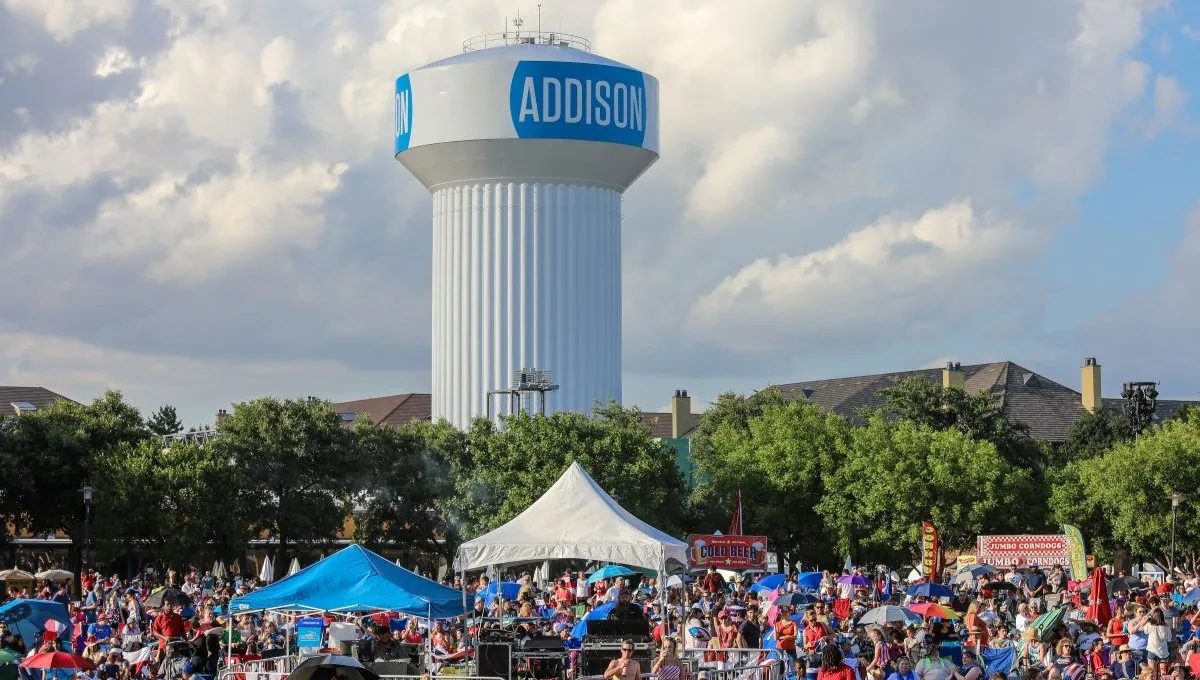
From buildings near Carrollton City Hall on East Jackson Road to warehouses and offices across town, tell us the property and the roof problem. We also work in Addison and Farmers Branch, where each building gets its own record check and inspection. We define what we'll inspect, identify any supporting repairs and flag material questions that still need answers. The manager can discuss the repair with finance using the same clear record.
Check what the file describes
We ask the property manager for roof drawings, repair notes and product information. For each record, we figure out which area and detail it describes before relying on it. If equipment was changed later, we find that change on the roof. Old records help guide the inspection, but the repair itself depends on identifying what's there now.
A roof condition report separates what the records say from what we see today. We point out any patch or transition that doesn't match the old file and explain what needs checking before permanent work can be chosen there. You can use the records you have without treating an unknown change as already understood.
We keep record requests practical. We name the specific material or component that's still uncertain and what it would take to settle it. If we can answer the question by looking at the roof, we won't ask you to dig up more paperwork. The proposal ties each piece of information to the repair it allows.
Choose between concrete corrections
We define where the repair will go and check the existing membrane it needs to bond to. Failed seams or flashing nearby that would stop the repair from holding are noted. Then we compare a repair at that spot with an option that covers a different area or needs equipment work first. You'll see why the choices differ in terms of actual work, not two vague labels.
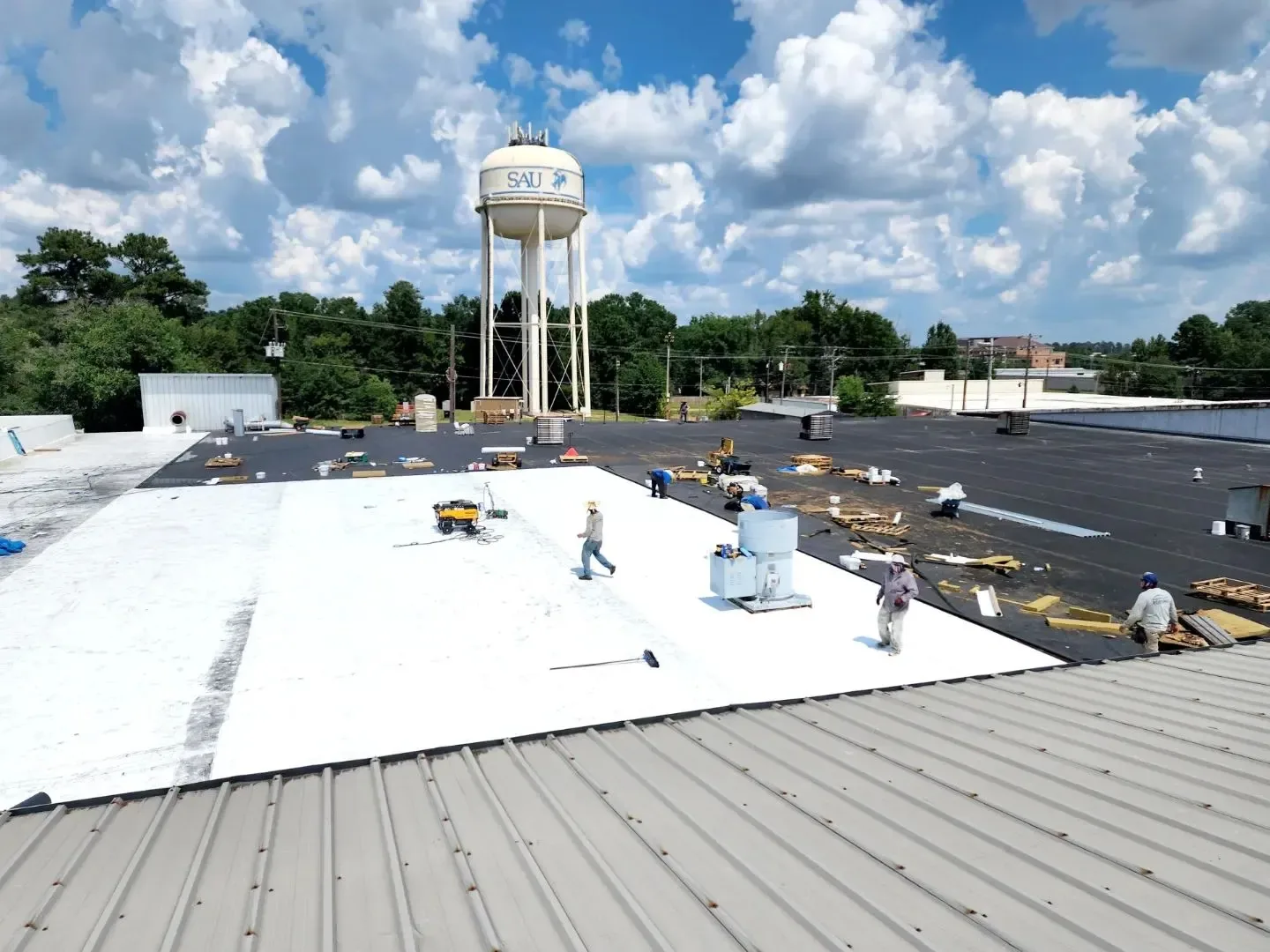
For TPO roof repairs, we confirm the membrane at the repair and choose materials that match it and the details staying in place. If we find a different material, we explain how it changes the method before ordering anything. The repair follows the roof as it is today.
A small hole may need nearby repairs to reach sound roofing. Those items are listed next to the price with an explanation of why they're needed. A bigger option needs its own inspection. Other areas of the roof that need investigation stay separate, so one changed spot doesn't become an assumption about the whole building.
Resolve supporting examination
Where keeping existing material depends on hidden conditions, we test in that area. We confirm the insulation and deck are dry and sound enough for the repair. Anything that needs to be removed or rebuilt is located and its effect on the scope explained. The finding applies only to the tested area until other parts of the roof are checked.
Our commercial roof inspection keeps an unresolved leak separate from a defect we can see on the roof. A leak inside points us in a direction, but the actual entry point may still be unknown. We explain which repair the visible problem supports and what further inspection is needed for the rest.
If exposed damage changes the work, we photograph it and note the added repair before it's covered. Any revised price follows the material that needed fixing. If the permanent repair has to wait on a decision, we explain the temporary protection. The manager gets a clear account of what we found and what comes next instead of an unexplained change.
Coordinate equipment work and site access
We work with the property contact to find out who can approve any equipment work that has to happen first. We define where it is, what's needed and the roofing that follows. If another trade comes later, we note how the area will be protected until then. A practical proposal keeps that order of work next to the permanent repair.
For office building roofing, we ask for the building's rules on access, work hours and moving materials. We go over the entrances, staging area and debris route the property manager gives us, and show any differences between a local repair and an option spread over several areas.
We confirm who can approve a change in plans and who gets urgent updates between visits. Any temporary protection and the permanent work still owed are identified. The owner can follow the real sequence of work, with approvals and site coordination listed next to the repair price.
Add the current work to the record
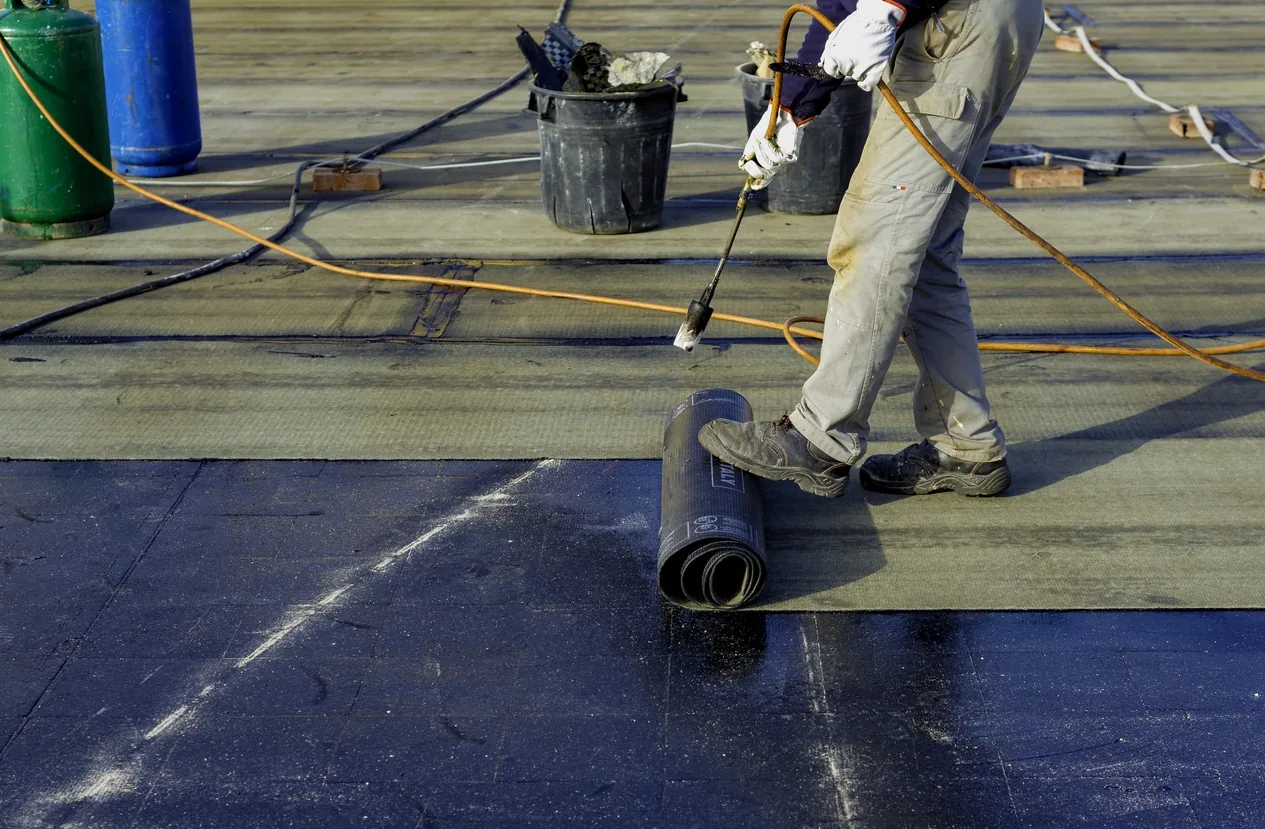
We finish nearby and supporting repairs before prepping the existing roof. The cleaning and prep for the repair method are spelled out for the material we identified. Prep can't fix torn membrane or finish an equipment repair that hasn't been done. The work order connects each step to the permanent repair it makes possible.
We photograph hidden repairs before covering them and mark the prepped areas next to the finished work. Those photos are tied to the changed detail and the old record we started with. Any scope change is explained by what we found. The owner gets a record showing what changed at that spot and what the price paid for.
Management and finance get the finished repair area and any open questions. Areas we didn't work on and temporary protection still waiting on a permanent fix are listed. A future project needs its own inspection, and this repair record can help guide that discussion while staying clear about the limited work it covers.
In Carrollton, we compare the old roof file with the seams, fasteners and flashing at the changed spot. If they don't match the records, we update the scope before ordering materials.
Commercial Roofing Questions
How should old roof records be used at a changed detail?
We match each drawing or repair note to the area it describes and compare it with what's on the roof today. Any later change gets inspected before the old description is used to choose repair materials.
What makes two repair options really different?
Where they tie into the existing roof, the nearby repairs they include and any equipment work that has to come first. We list those next to each price so you compare actual work.
When should the layers under the membrane be checked?
When the repair depends on keeping existing insulation or deck. We test that area and note anything that has to be removed or rebuilt before the roof can be sealed.
Who coordinates work that has to happen before the roof repair?
We ask the property manager who can approve the equipment work and when it's ready for roofing. Until it's done, we note the temporary protection and the roofing still owed.
What does the new repair record add to our old roof file?
Photos and notes on the changed detail, hidden repairs, prep and finished work, plus any open questions, so future decisions start with the right information.
Define the Carrollton current roof detail
Tell us the Carrollton property, the problem and any roof records you have. We'll inspect the area, explain your repair options and lay out the supporting work, equipment coordination and further testing behind the price.
Request a Roof Assessment in Plano
Tell us about the building, the roof and what you are seeing. Send a request or call 555-555-5555.