
Commercial Roofing for Healthcare Systems in Plano
Home / Industries We Serve / Healthcare Systems
Roof work on a healthcare building starts with the facilities team, not the crew. Before anything is opened, the people who run the building need to know exactly where we'll be working, how much roof is coming off and what sits underneath. That lets them apply their infection-control, dust, air-intake and access rules to the actual job. A vague line like "reroof east wing" doesn't give them enough to work with, so we inspect the problem first and show them the specific area, the materials involved and how long each section will be open.
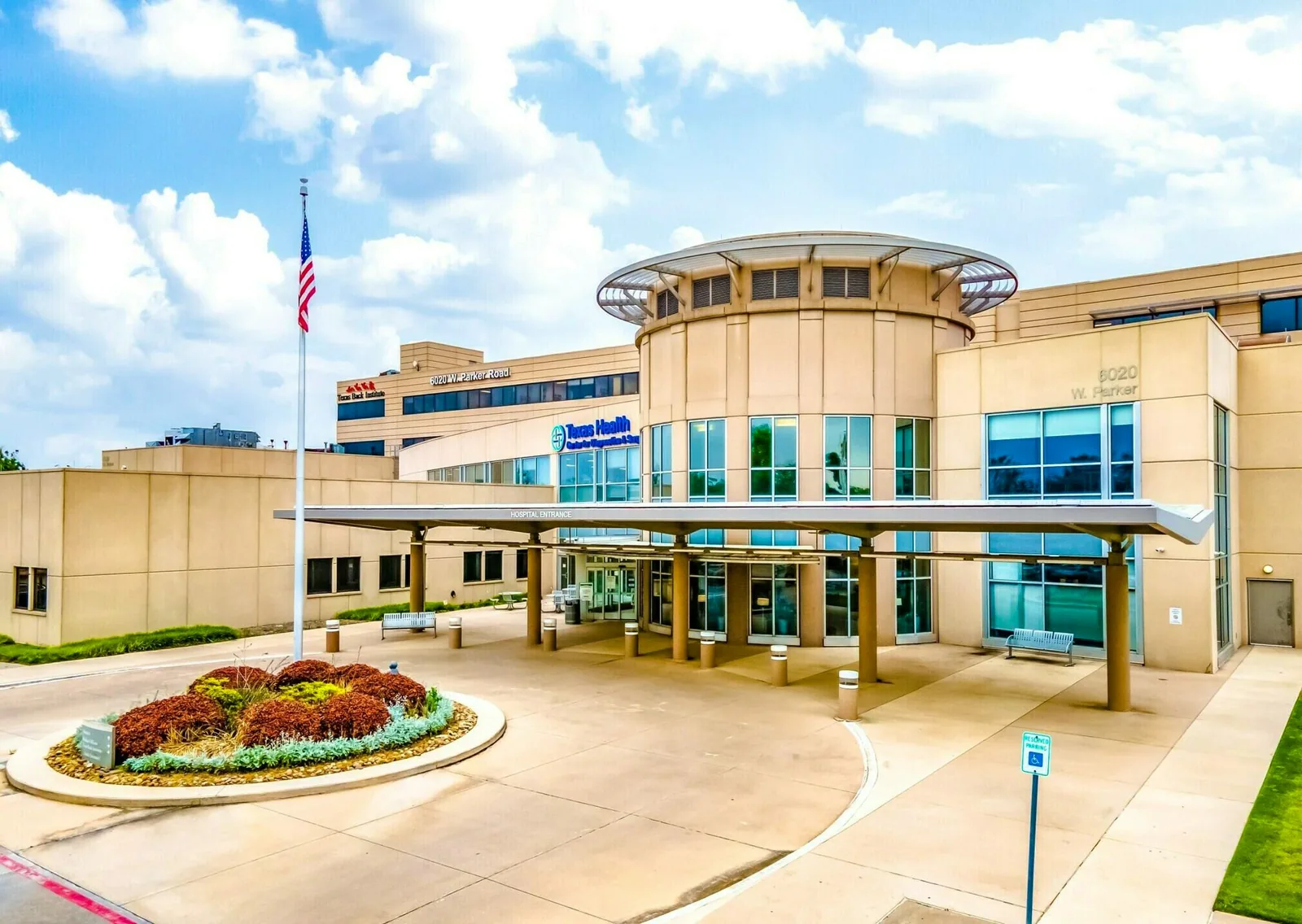
Plano has a dense cluster of medical buildings, from Medical City Plano on West Fifteenth Street to the hospitals and medical office buildings in the Texas Health Plano hospital district off Parker Road. Each campus has its own facilities staff and its own rules, so we plan each building separately. If your system also owns a clinic in Richardson, that building gets its own inspection and its own scope, even if the same manager approves both. That way finance sees what each roof actually needs, including temporary protection and any work other trades have to do.
Obtain instructions for the affected area
We start by marking the exact roof area on a plan and explaining the work: a seam repair, a rebuilt pipe flashing or a tear-off down to the deck. Then we ask the facility team what's below and beside that spot, which rules apply and who handles infection-control review. Their requirements go into the schedule before the work dates are approved.
Our occupied building reroofing plan covers how crews get on the roof, where materials are staged and how debris comes down. We ask whether air intakes need to be shut down or filtered, whether noisy work has to avoid certain hours and how dust will be controlled. A small flashing repair and a full section tear-off need very different coordination, and we show the facility both footprints so they can choose.
When a property management company runs the building, we confirm who provides the facility rules, who gets daily notices and who can approve a change if we find something unexpected. If another contractor controls a piece of equipment or an interior area affected by the work, we sort that out before roofing starts.
Investigate the roof report
When a leak shows up inside, we have facility staff show us where, then inspect the roof above and around it: seams, membrane, flashing and drains. Water often travels along the deck before it drips, so we don't assume the hole is directly overhead. If the source turns out to be a leaking HVAC unit or a pipe rather than the roof, we say so. And if one visit doesn't find every path the water could take, we tell you what the next step is.
Our hospital roofing reports show which areas we reached and which we couldn't. Old photos and repair records help us know where to look, but we check the current condition of every old patch before trusting it. If we need into a restricted area, we ask the facility contact with a clear location and reason.
The repair depends on what we find. A torn membrane gets a compatible patch on sound roofing. A failed pipe or curb flashing may need to be torn out and rebuilt after the equipment issue is fixed. A clogged drain might just need clearing, or the drain flashing might need replacing. Being specific gives the facility a clear scope to review and approve.
Sequence equipment and permanent roofing
Around a roof penetration, the new flashing has to tie into equipment that's in good shape. If the HVAC or plumbing contractor needs to do work first, we confirm who approves it and who tells us the area is ready for roofing. Our proposal lists that other work separately, so it doesn't get lost between trades.
Before we patch or flash, we confirm what membrane is installed and that the roof around the repair is sound. Questionable old patches get dealt with, and we check nearby seams and flashing that could affect the repair. Then we clean and prep the surface and install the permanent fix using materials matched to that membrane. The facility contact gets the order of work so they can line up the other trades.
If the insulation or deck under the repair is wet or damaged, we cut it out and replace it. We photograph what we find and explain the added work before asking for approval. If the size or timing of the job changes, the facility team reviews their rules again before we continue.
Hand back the opening between work periods
Sometimes a repair can't be finished in one visit. When that happens, we leave the roof temporarily sealed, mark where that is and note what permanent work is still owed. We confirm who at the facility is responsible for it until we return and how to reach us if something changes overnight. Whoever schedules the next visit, ours or another trade's, should be able to pick up where we left off.
Our emergency roof repair reports keep temporary protection separate from completed work. They say which opening or leak the temporary fix covers and what still needs to be inspected or repaired. A roof that's been tarped or patched for the night isn't a finished roof, and our paperwork makes that clear.
For hospitals run by public agencies, we confirm who can approve scope changes and who takes responsibility for the roof between visits. When approvals take longer, we work through the agency's required contacts. Roofing, equipment and facility duties stay clearly listed, so a slow approval never leaves an open roof without a plan.
Support the next expenditure decision
A roof condition report shows exactly what area we inspected and why we recommend what we do. If problems extend beyond the leak we were called for, we say more inspection is needed. A recover or replacement can't be priced properly until we've checked the extra area, including the existing layers, how the roof is fastened and the condition of the edges and flashing.
Each price shows what's included: tear-off, rebuilding, access and the facility measures required. A local flashing repair and a full section replacement can be very different in cost, even when both stop the same leak. We list the footprint of each option and the facility rules it triggers, so finance can compare real choices.
When the work is done, we keep photos of what we found under the membrane, the original defects and the finished details, all tied to roof locations. The facility gets a record of what was completed, any approved changes and anything still pending. When a new leak shows up later, that record makes it much easier to tell whether it's related to the earlier work.
Commercial Roofing Questions
What does the facility team need to review before roof work starts?
They need the exact roof location and what work is involved, from a small repair to a full tear-off. With that, they can apply their infection-control, dust, air-intake and access rules to the spaces below and beside the work.
Who handles equipment work at a roof penetration?
We confirm who approves the HVAC or plumbing work and who tells us it's ready for new flashing. The roof stays temporarily sealed while that work is pending, and our scope lists it separately.
What happens if you find wet insulation or a damaged deck?
We photograph it, explain what needs to be replaced and get approval before continuing. If the job gets bigger or the schedule changes, the facility team reviews their requirements again.
What happens if a repair can't be finished in one visit?
We leave the area temporarily sealed and note where it is, what's still owed and who at the facility is responsible until we return. We also confirm how to reach us if anything changes.
How do you compare a full replacement with a repair?
We inspect the larger area before pricing a replacement. Then we compare what each option includes, how much of the building it affects and which facility rules it triggers, alongside the local repair.
Define the Plano healthcare roof assignment
Send us the property address, the problem you're seeing and your facility contact. We'll inspect the roof, explain the permanent fix and give your team the details they need to apply their building rules and approve the work.
Related Roofing Work
Request a Roof Assessment in Plano
Tell us about the building, the roof and what you are seeing. Send a request or call 555-555-5555.