
Built Up Roofing in Plano, TX
Home / Roof Systems / Built Up Roofing
On a built-up roof, the surface you can see is only the top of the story. Gravel or a cap sheet sits over several layers of felt and asphalt, and the repair or replacement decision depends just as much on those layers as on the surface. For built-up roof work in Plano, we describe both. You should be able to follow the tear-off, the new plies and the new surface as separate steps in the scope.
The April 11, 2016 hailstorm that hit Wylie hard is a reminder of how much weather North Texas roofs take, and gravel-surfaced built-up roofs can hide damage well. Whether the building is a hotel like Hilton Dallas/Plano Granite Park or an older office or warehouse, we review the roof records you have and inspect what we can reach. The recommendation follows what we find and names the system proposed for the area that needs work.
Examine the existing surfacing
We identify the surface at the repair area, whether it's gravel, a mineral cap sheet or a coating, and note any old repairs or treatments. The surface the repair will bond to has to be checked before we define the prep. Where gravel hides a problem, we explain how we'll look underneath, such as scraping back a section or taking a core. The report makes clear what we could see and what layers still need checking.
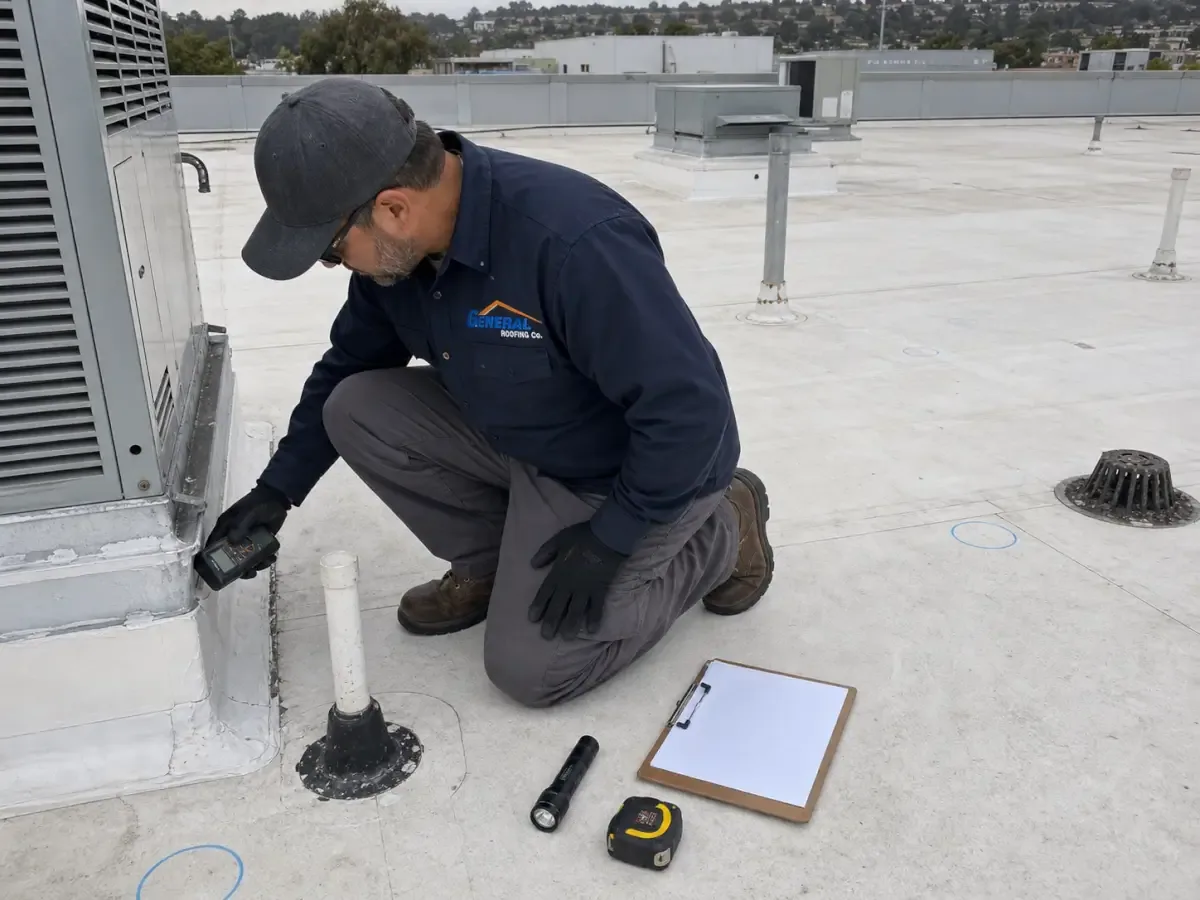
Our commercial roof inspection marks each defect and keeps that location with the proposed repair. A photo of the gravel surface isn't a description of the layers below, and we don't price a roof from that alone. You'll get the prep needed at the surface and any further testing that affects tear-off, what stays or the size of the repair.
Define the proposed plies and finish
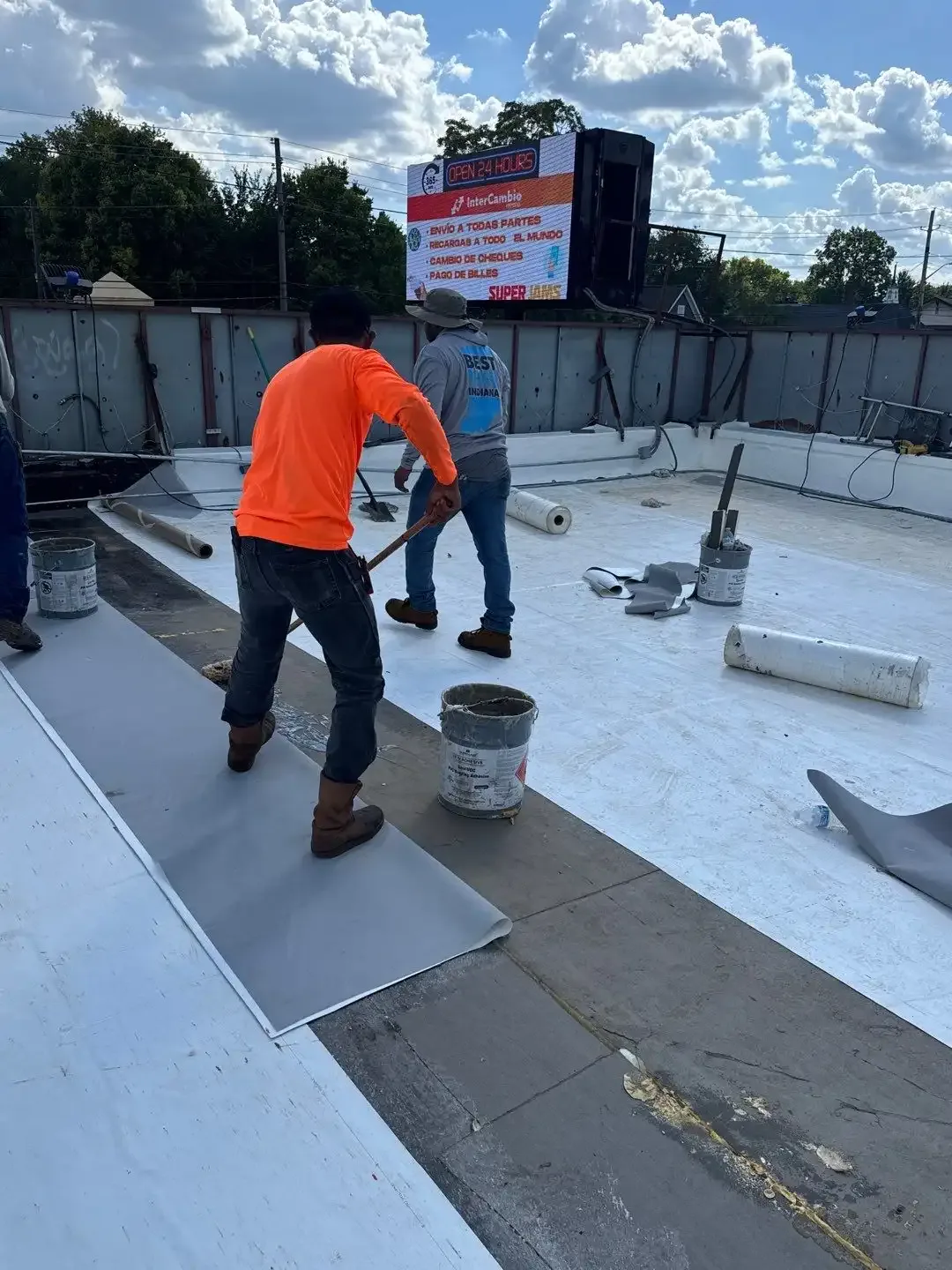
GAF describes built-up roofing as alternating plies of reinforcing felt and asphalt, finished with a protective cap sheet or an aggregate flood coat. A real proposal should name the materials and how many layers go down. "BUR" on its own doesn't tell you what the crew installs or what surface is included. The description of the system stays tied to how it's applied.
A modified bitumen roof is a common alternative, and we compare the plies and finish in each option. Each system has its own installation method for your roof. If one option includes a step the other leaves out, we point it out instead of assuming two asphalt roofs mean the same installation. You can follow the materials through the work and compare prices that describe real construction.
Set the investigation and removal depth
When a repair depends on the condition of layers you can't see, we say what the question is and how we'll answer it, and mark the test location on the roof plan. The tear-off scope shows both the area and how many layers come off. A surface repair and a deeper tear-off can start at the same visible blister and end up as very different jobs with very different prices.
Our roof insulation and cover board review sets which layers stay and how deep the tear-off goes. Each finding stays next to the decision it drove, and any structural question is flagged for further review. If we open the roof and find the damage goes further, we update the area and materials together. You'll see why the job changed and can compare a spot repair with a larger tear-off without relying on a vague "old roof is bad" statement.
Develop the connection to retained roofing
A local built-up repair needs a clear edge where it ties into the old roof. We check the existing layers at that edge and the repair method, then spell out the prep, the tear-off and the new layers needed to close the area. Old patches that affect the tie-in are located, and if we're unsure about the surface the repair will bond to, we test before finishing the plan.
On a larger building such as the Plano Municipal Center on K Avenue, we'd inspect the roof areas the owner identifies. Some owners also consider an EPDM roof as a replacement, and each product's method is priced on its own. You'll know what each proposal fixes. The scope separates a membrane repair from any extra layer work, instead of lumping different depths and tie-ins into one unmeasured allowance.
Include asphaltic flashing and component duties
We check every spot where the new plies meet a drain, curb or roof edge. We identify the flashing method and the component it seals to. If that component needs repair first, the work is listed next to the roofing step that follows it. The estimate shows the flashing the crew will build instead of treating details as an extra added to the square footage.
Our edge metal, coping and gutter work is coordinated with the new plies so the metal and roof tie in properly. Where the repair affects a nearby detail, that's in the scope too. You can compare full options while seeing which curbs or parts are handled separately. The order of work stays tied to those items so the finished roof meets the building we inspected.
Retain the concealed ply record
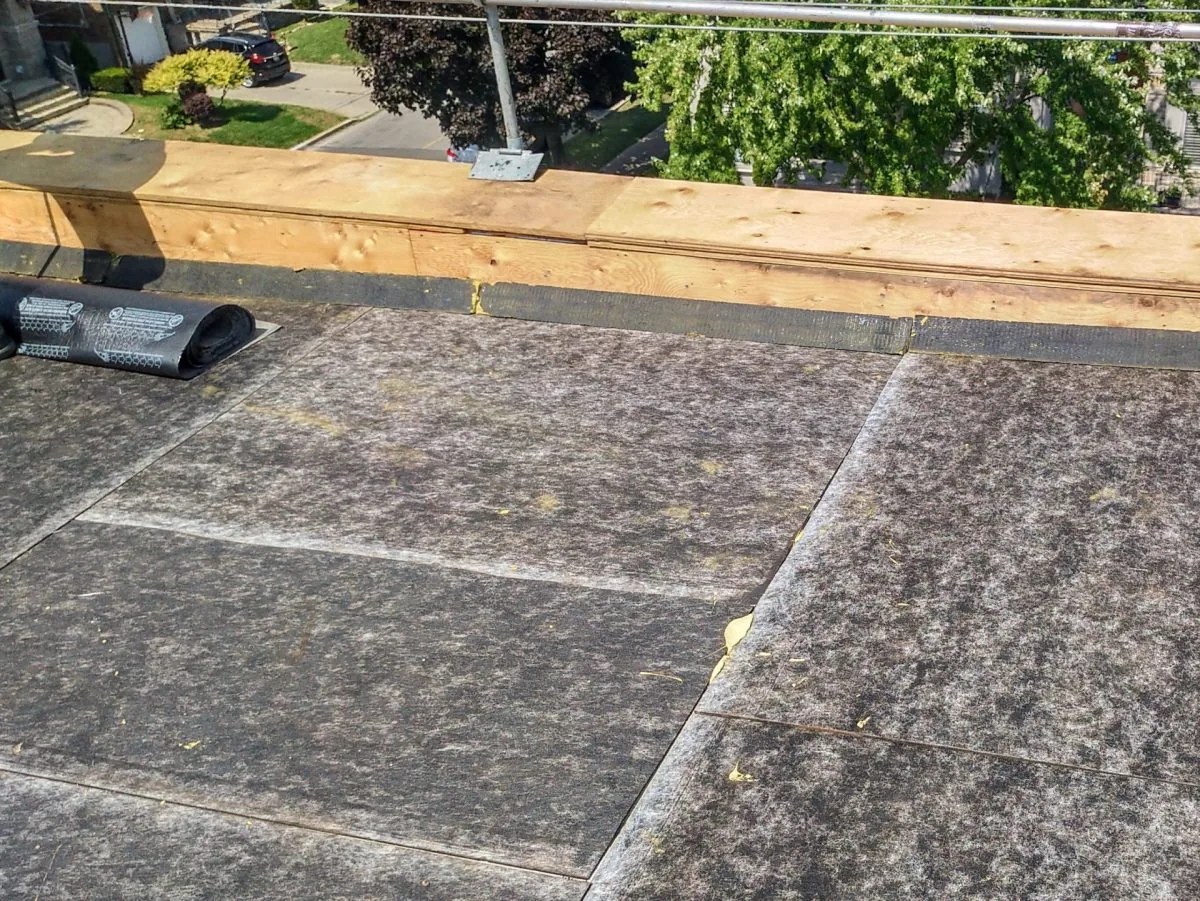
We photograph the new plies before the gravel or cap sheet covers them. The record lists the materials installed, the tear-off depth and the roof areas, along with each finished detail. If testing changed the size of the repair, the finding and the change are kept together. The final record lets you understand the roof beyond what the surface looks like.
For Granite Park buildings and elsewhere in Plano, you should be able to find the work you paid for during a later inspection. The record helps the next contractor plan a repair against the real materials, and any area left outside the completed job stays flagged. You can tell the new work from remaining roof questions without piecing it together from a general invoice.
Commercial Roofing Questions
How is the surface of a built-up roof different from its plies?
The surface is the gravel, cap sheet or coating on top. The plies are the felt and asphalt layers underneath. We record both and test where what we can see doesn't tell us whether to tear off or keep layers.
How should a built-up roof system be described in a proposal?
The proposal should name the felt plies, the asphalt application and the surface finish as one system, matched to the existing roof and the order of installation.
Why does tear-off need a depth as well as an area?
A surface repair and a deeper tear-off can cover the same spot but remove very different amounts of roof. We list the layers removed, the area and the finding behind it.
What sets the edge of a local built-up repair?
The condition of the existing layers and the tie-in method. We identify the prep and tear-off needed at that edge, including any old patch that affects the new work.
How do you document ply work once it's covered?
We photograph the new plies before they're surfaced and record the materials, roof locations, tear-off depth and any changes to the repair boundary.
Define the built-up roof assembly work
Schedule a built-up roof review in Plano. We'll record the surface and layer conditions and explain the plies, tear-off depth and flashing work proposed for your roof.
Related Roofing Work
Request a Roof Assessment in Plano
Tell us about the building, the roof and what you are seeing. Send a request or call 555-555-5555.