
Commercial Roofing for Property Managers in Plano, TX
Home / Industries We Serve / Property Managers
A tenant's leak report needs a location before it can become a roofing work order. The suite where water is showing, the part of the roof causing it and the person who can approve the repair are often three different things. We tie them together for each Plano building we look at. You get located findings and a repair scope that lists any other trade's work up front. That makes it easy to send to an owner who wasn't there for the inspection.
Whether you manage an office building near the Plano Municipal Center or a mixed-use property out by Granite Park, every roof is its own case. We don't assume anything from the building next door. Our roof condition reports record what we saw, what we couldn't check and what we recommend next for your building.
The request identifies the assigned premises
We note the building, the suite or roof area involved and who's coordinating the visit. On a property with several roof sections or a lot of tenants, a building name isn't enough. Each interior leak is matched to a spot on the roof plan, so your photos and proposed repairs line up with the right location without a phone call to explain them.
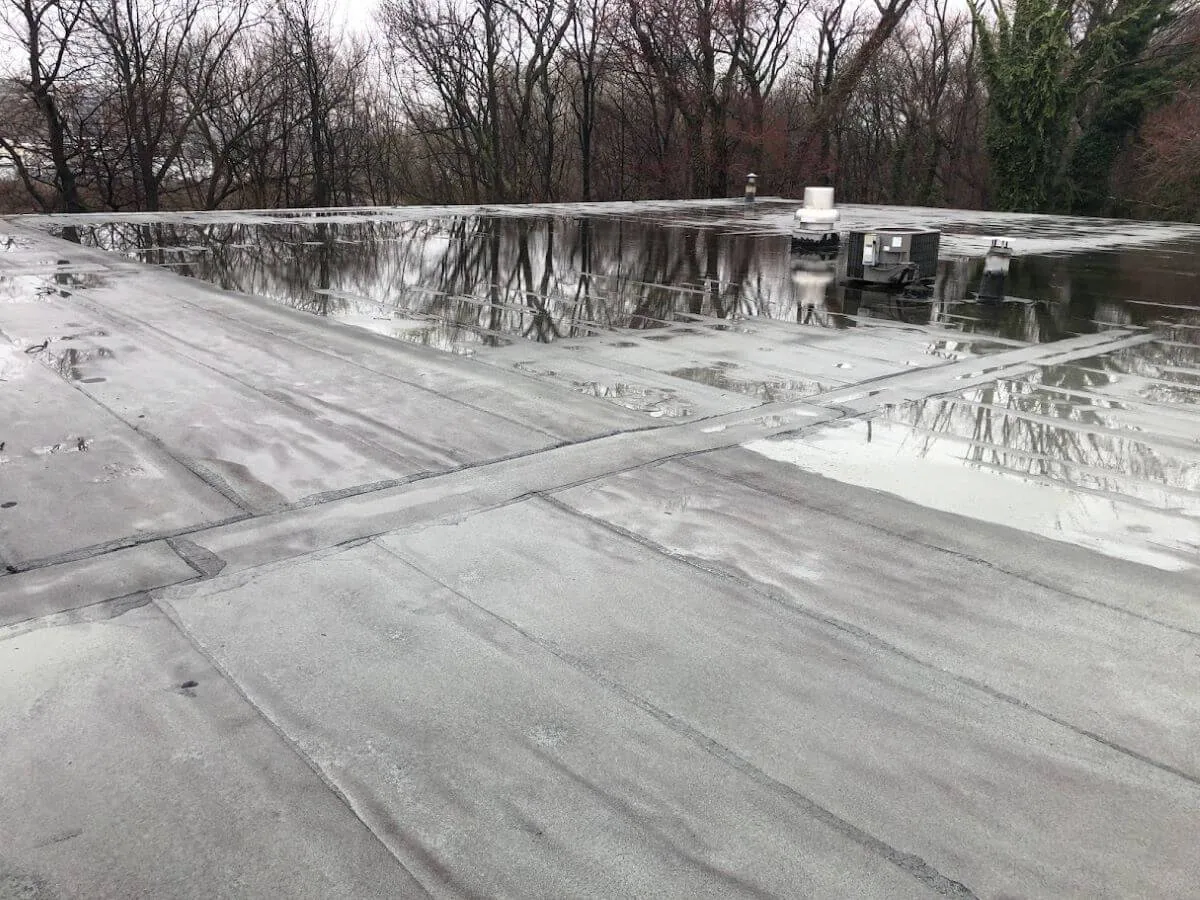
What the tenant reports and what we find on the roof are listed separately. A stain under a rooftop unit doesn't prove the unit is the leak; water can travel. We say what finding supports our recommendation and what still needs checking. That keeps the owner's approval tied to real evidence rather than a guess.
The examination retains useful limits
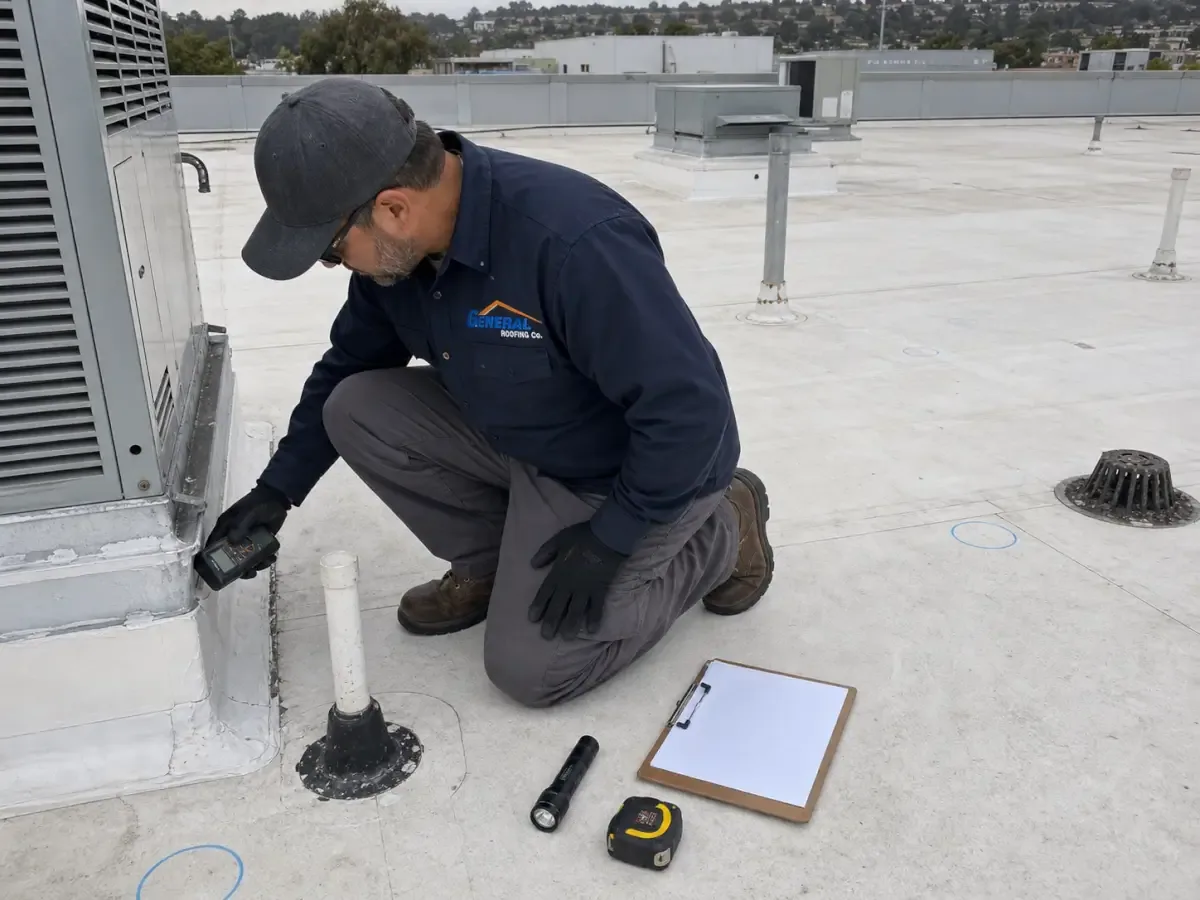
We inspect the membrane and the walls, drains and equipment around the problem area. The report notes what we checked and anything we couldn't reach. You'll know whether an open item is a roofing question, an access issue or another trade's problem. That's far more useful than a vague repair allowance meant to cover everything.
Our commercial roof inspection marks each finding and explains what it means for the repair. Every photo shows enough of the roof to find the spot. A close-up of the membrane doesn't show what's underneath, so where the decision to keep or replace material depends on that, we recommend a core or moisture test before pricing the permanent fix.
Structural, HVAC or plumbing issues may need their own contractor. We list those next to the roofing item they affect. You shouldn't find out about a separate repair after the roofer is already scheduled. We do our part once the other trade's work is done and handed off clearly.
The amount describes the complete correction
Our recommendations list the prep, the layers being replaced and how the repair will be sealed. "Patch the roof" can hide a drain or wall flashing that has to be fixed first. Our commercial roof repair estimates show those items with the price, so you can send the owner a request that explains what the work will actually fix.
When the findings support it, we compare a local repair with a larger one. We explain what stays and why the repair stops where it does. If the bigger option removes more layers or involves more flashing and curbs, that difference is shown next to its price. A larger membrane area doesn't automatically include every wall or equipment repair, so both options are described the same way.
Testing is kept separate from repair work when its results are needed first. You can approve an inspection or core sample, then review the repair based on what it shows. We won't turn a guess about hidden conditions into a repair quantity just to make the first work order look final.
Tenant arrangements follow the actual building
We confirm access and work rules through the people authorized at the building. We tell you how we'll get on the roof, how materials will be handled and whether other trades need to be there. You handle tenant communication through your own process, including notices, parking and any business hours we need to avoid. We give you the roofing details you need before scheduling.
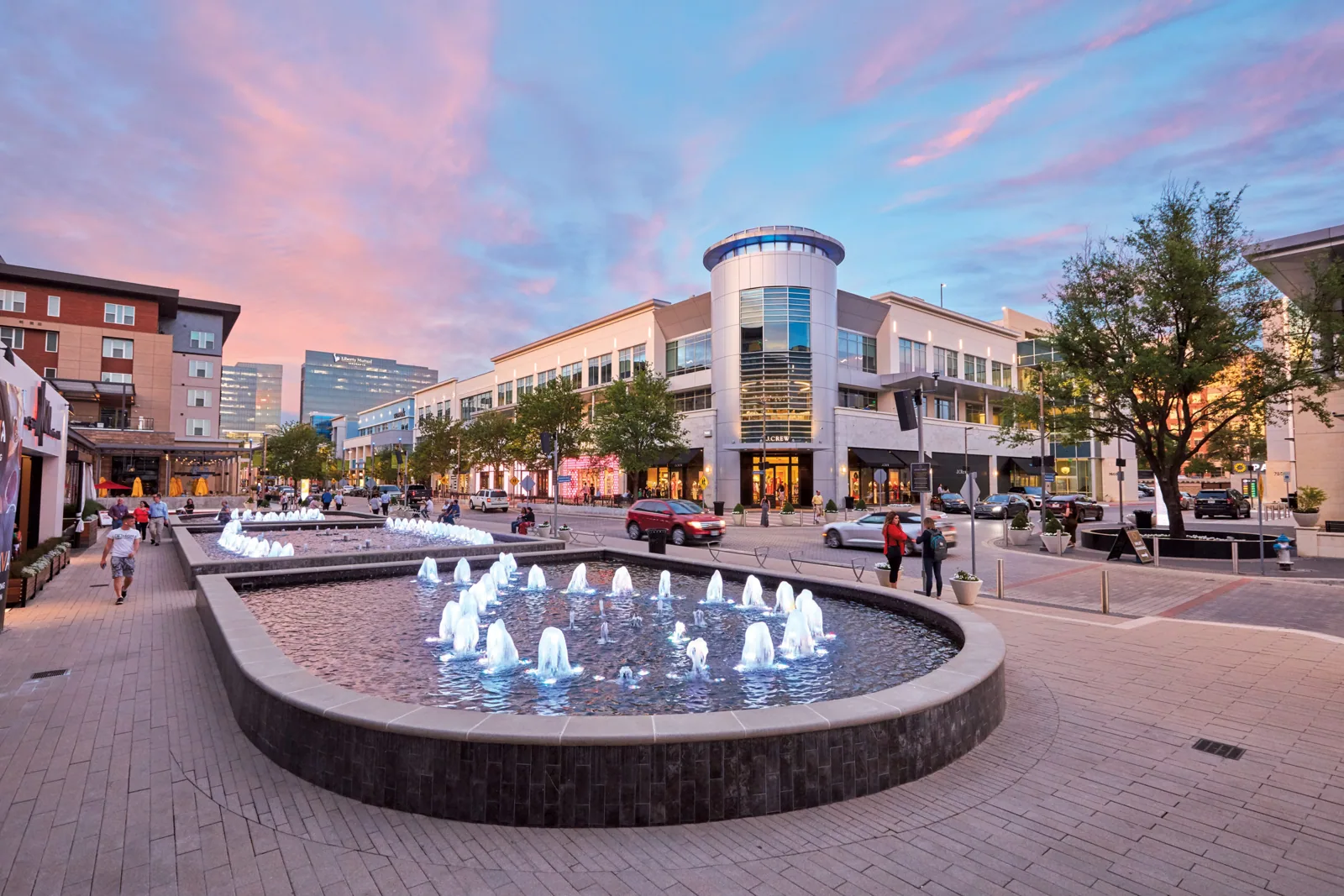
For buildings around Legacy West and Legacy Business Park, the busy retail and office setting means access needs to be planned carefully. We confirm the building contact and who handles each part of the job. The schedule follows what's actually ready. A date on the work order doesn't mean every trade is ready for the roof to be finished.
New findings have a clear approval path
If tear-off exposes something new, such as wet insulation or a rotted deck, we document where it is and explain how it changes the work. The revised scope goes through the agreed approval process before we close the roof, and the area stays protected while you decide. The added cost is tied to what we found, not a vague change order.
A roof capital plan keeps other areas and future needs separate from the current repair. Each item has its own findings and limits. Fixing one area doesn't tell you the condition of the rest of the roof. The owner can plan future spending without losing track of what was already approved and why.
We provide emergency roof protection at night, on weekends and on holidays. The record notes what the temporary fix covered and what still needs inspection. You'll know what was taken care of right away and which approvals or other trade work are still needed.
Closeout gives the manager a located record
We keep photos of the prepared deck and insulation and the finished flashing and seams, all labeled by building and roof location. The record notes which layers were replaced, which were kept and any work still owed by other trades. A photo of new membrane alone doesn't show what was done underneath. Open questions at other spots on the roof stay listed instead of being lost in a "job complete" note.
When we work alongside a general contractor, each party knows what it's responsible for. For real estate investors and REITs reviewing roof spending across a portfolio, the same record explains what each dollar paid for. A future leak gets its own inspection, and you can find the history of the earlier repair quickly.
Commercial Roofing Questions
What information makes a tenant leak report useful for a roofing work order?
The building, the exact suite or room and who's coordinating access. We then inspect the roof and record what we find, keeping the tenant's report separate from the evidence behind the permanent repair.
How should a repair be described when asking the owner for approval?
It should list the prep, the layers being replaced and how the repair will be sealed, plus any other trade's work that has to happen first. That way the owner sees the whole job instead of a vague patch line.
Who handles tenant notices and access for roof work?
You do, through the building's own process. We tell you how we'll access the roof, how materials will move and what other trades are involved, so you can arrange notices, parking and hours before we schedule.
Why would the repair price change after the roof is opened?
Because tear-off can uncover wet insulation or a damaged deck we couldn't see before. We document it, explain the extra work and get approval before closing up, while keeping the roof protected.
What records should a property manager keep after a roof repair?
Located photos of the prep and finished work, the inspection findings and scope, any work still owed by other trades and the areas we didn't inspect. That makes the next leak much easier to diagnose.
Prepare a repair request the owner can assess
Schedule a roof visit for your Plano property. We'll give you located findings, a complete scope and a clear list of any testing or approvals needed, ready to send to your owner.

Request a Roof Assessment in Plano
Tell us about the building, the roof and what you are seeing. Send a request or call 555-555-5555.