
Commercial Roofing for General Contractors in Plano, TX
Home / Industries We Serve / General Contractors
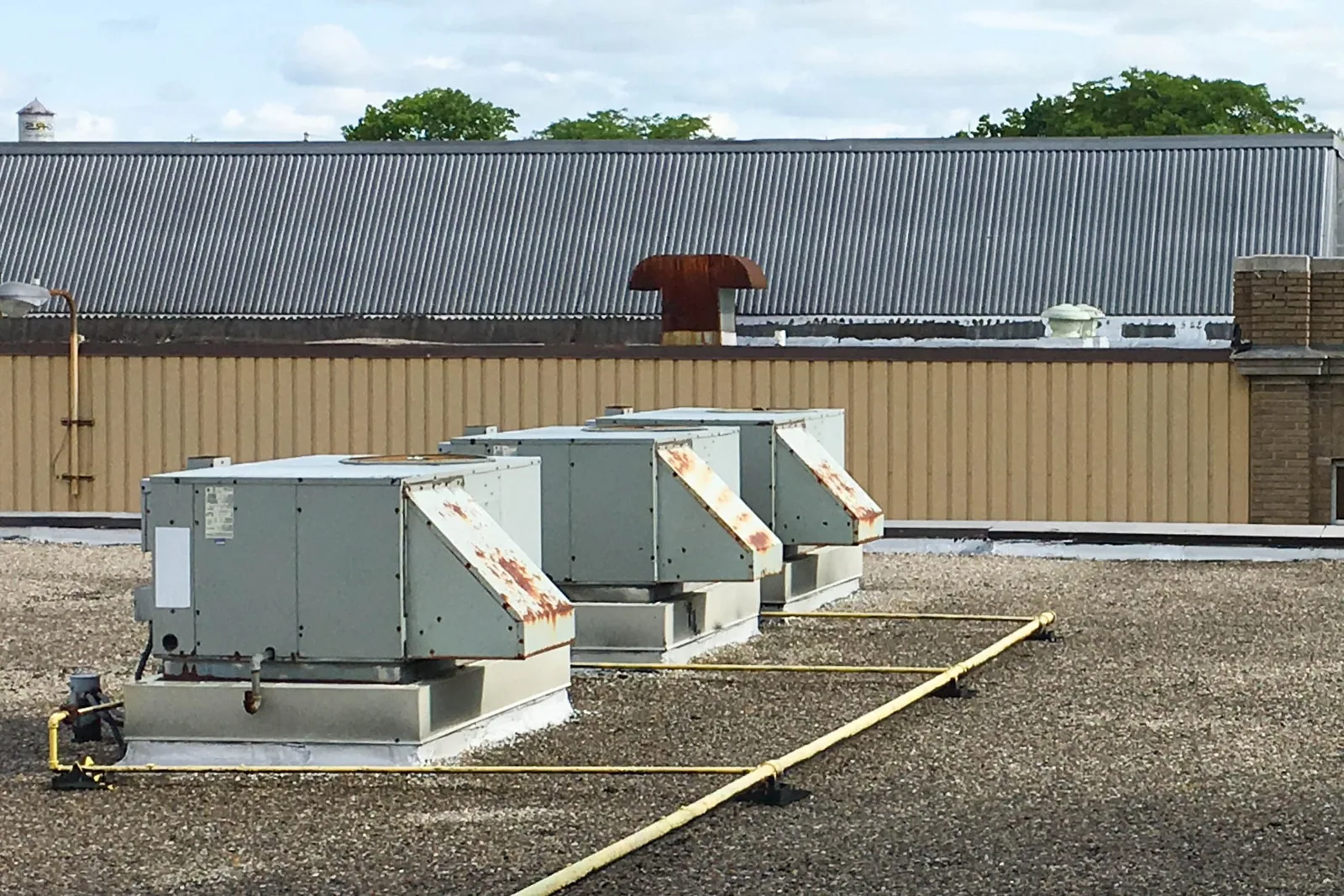
A common hold-up on commercial jobs: the mechanical sub sets a new rooftop unit and leaves, but the curb is too short for the new insulation, or the wall blocking at a parapet is missing, and the roofer cannot finish the flashing. The general contractor needs to know about that before signing a roofing number or setting a dry-in date. We look at the Plano roof you are working on and spell out the prep needed at every edge, wall and curb. The membrane work, any deck or blocking repair and the tasks other trades owe all appear as their own items in our proposal. That lets your schedule follow what is really on the roof instead of an assumed trade order.
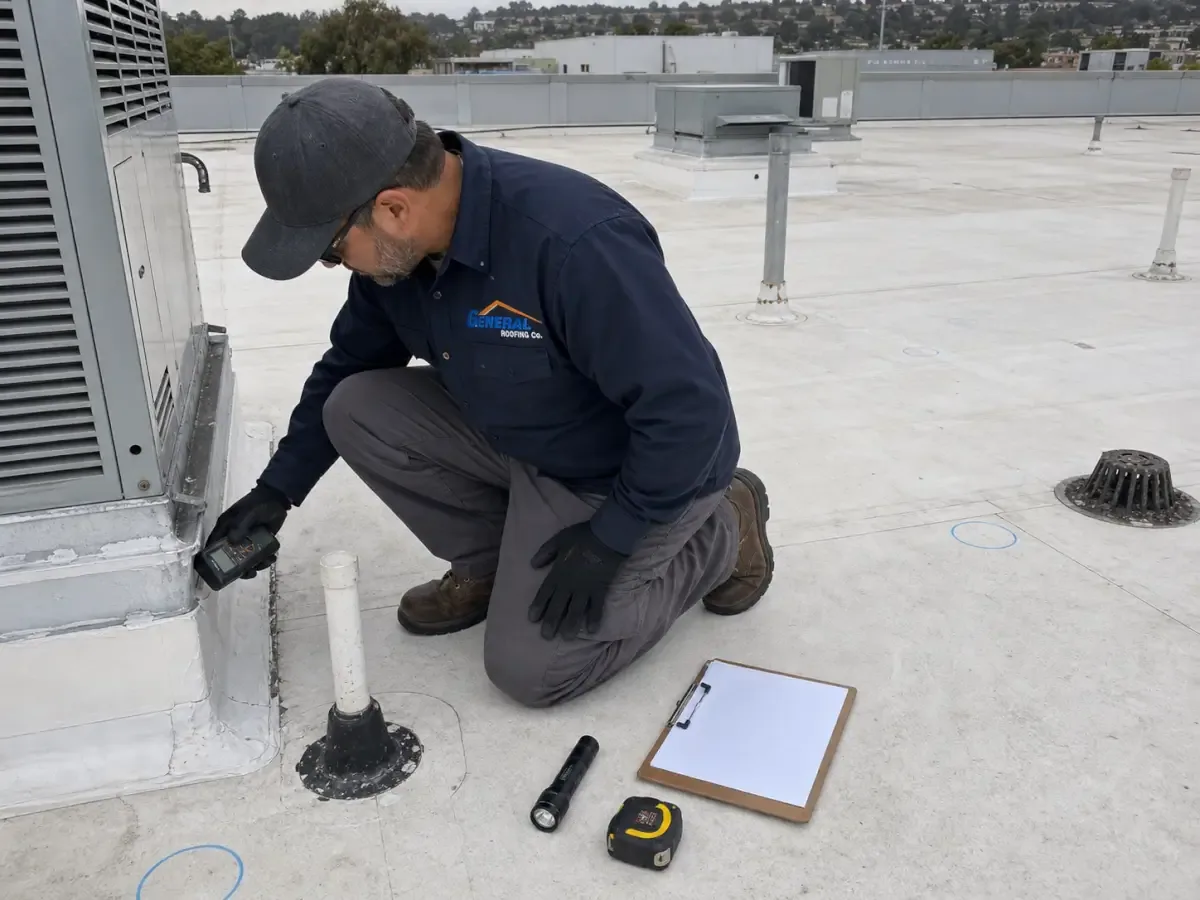
Plano Municipal Center on K Avenue and Collin College's Plano Campus on East Spring Creek Parkway are handy landmarks if your job is nearby. Send us the project address, any roof plans and the scope you need priced. Our commercial roof inspection covers the building and roof you have access to. The write-up lists what we found and what still needs testing or a designer's review.
The actual roof sets the price
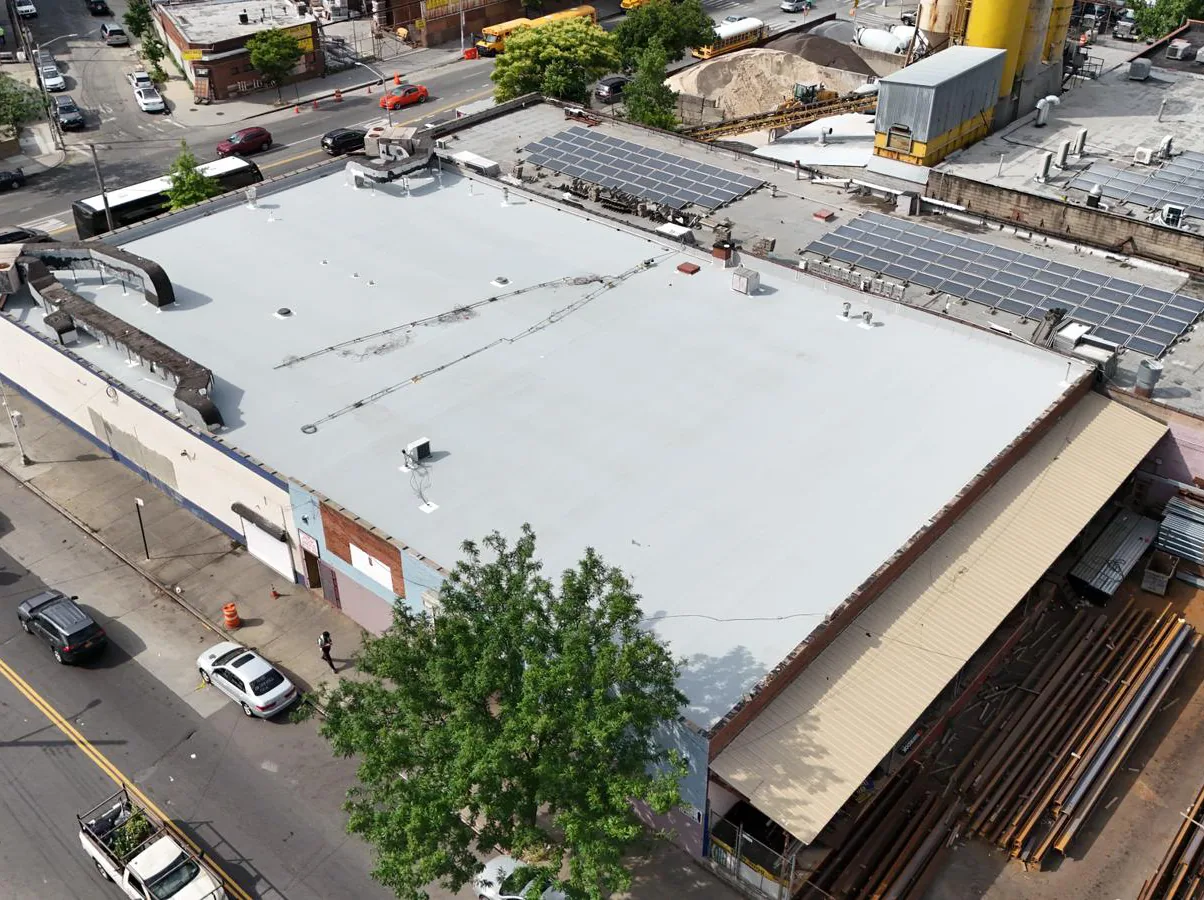
We start by confirming the roof sections, the details next to them and any drawings or specs for the work. Then we compare those documents with what is on the roof. Existing buildings often differ from the plans, with an extra layer of roofing, a different deck or a drain in the wrong place. We note any difference that affects tear-off, prep or tie-ins. You get a price you can trace to the building, not one based only on a product sheet.
For a commercial roof repair subcontract, we check the existing membrane and the insulation and cover board under it at the repair edges. We point out wet or damaged material that must be replaced and note how far we could check. Keeping the existing roof is a call we back up within the area we tested. Any section we could not get to stays marked as unknown until it is opened or tested.
Material quantities stay tied to those findings. If the price covers only a local repair, the proposal says so. That keeps a spot repair from reading as approval of the whole existing roof.
Lining up the other trades
We flag the equipment, wall and drain conditions that have to be dealt with before roofing can finish, and who should handle each. That could be raising a curb, adding wood blocking at a parapet or resetting a drain bowl. A trade showing up and setting its equipment does not mean the roof edge is ready to flash. The schedule should say what our crew needs in place before permanent flashing goes on.
Our rooftop equipment curb and support work separates membrane tasks from setting units or structural decisions. If thicker insulation changes the curb height, we ask for the curb or support to be checked before assuming the old setup still works. Open design or structural questions stay next to the detail they affect. A finished field membrane should never hide a curb still waiting on another trade.
When the work has to happen in separate trips, we price the return mobilization and say which flashing it allows us to finish. That gives you a cost tied to real work instead of a vague coordination allowance.
Starting work on site
We go over the access route, crane or hoist location, staging area and the roof area to open with your superintendent. Building rules get confirmed before material moves or tear-off starts. You coordinate those arrangements with the owner and tenants. Our proposal lays out the roofing needs clearly enough for the property side to review the affected spaces and work hours.
A phased reroof in an occupied building needs a proper tie-off at the end of each phase. A convenient stopping point on the calendar may not be a spot where the roof can be sealed well. We list the temporary protection, the prep at the edges and the next permanent step together, so your schedule matches roof work that is actually ready to go.
Jobs in Downtown Plano still need the exact address and a named site contact. Approved access and staging instructions stay with that job's roofing scope.
Handling hidden damage
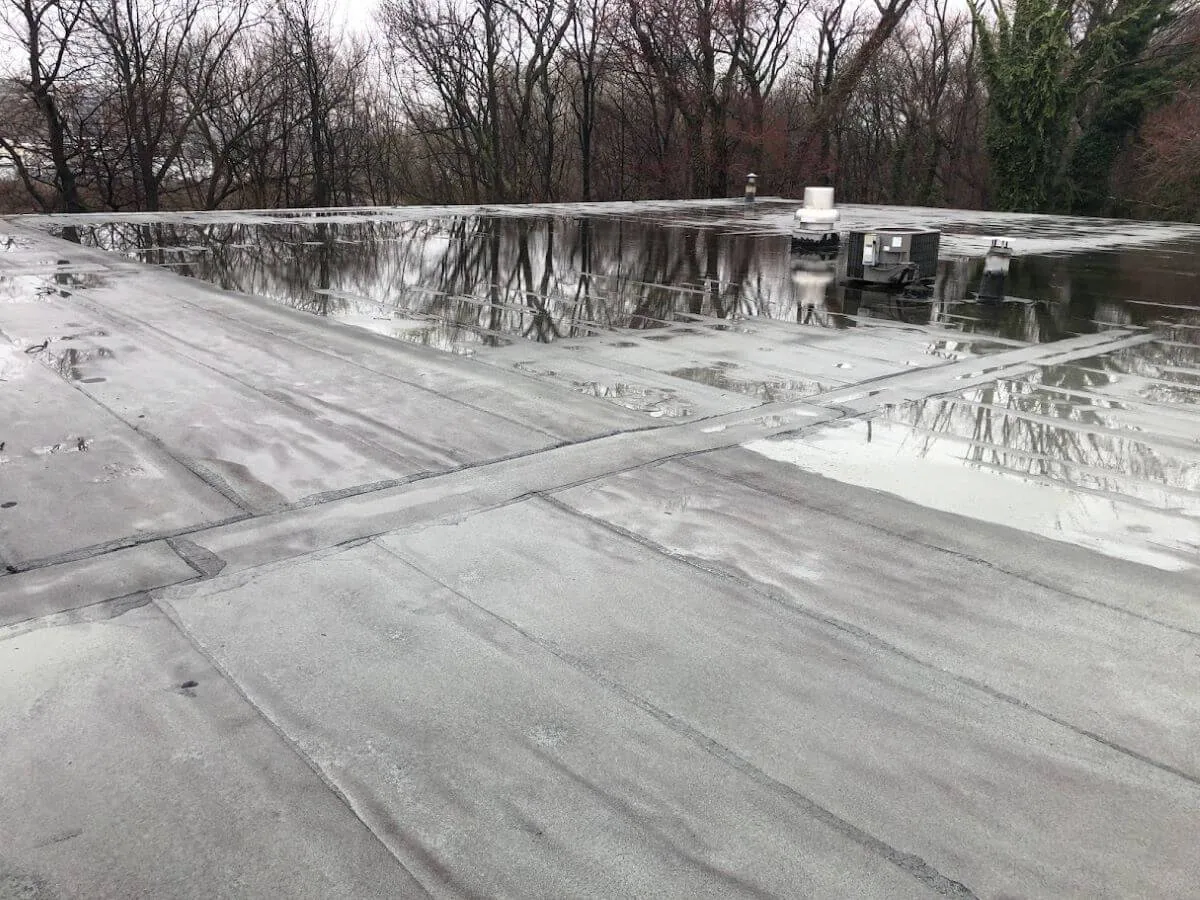
Tear-off can turn up damage nobody could see from the top, such as rusted deck or soaked insulation. Before going further, we photograph it, measure how much is affected and say what it takes to fix. We spell out how that changes the original scope. The change goes through your normal change-order process, so you can weigh the cost against the work it covers.
The roof stays protected while the change is reviewed. Keeping it dry is separate from approving the bigger permanent repair. If a deck or structural decision is needed before we close up, we say so. You will know which work can keep moving and which flashing is on hold until the question is answered.
One bad area does not prove the whole roof is bad underneath. More testing may make sense where another section's condition affects how it gets built. Quantities follow that evidence and keep confirmed damage apart from areas nobody has checked yet.
Comparing options fairly
When the findings allow a choice between a local repair and broader roof work, we lay out the tear-off, what stays and the tie-ins in each price. Both options carry the same equipment and wall tasks. A larger membrane job may still depend on wall or equipment work handled by others. You need those lines drawn to tell whether the options really finish the same job.
A roof condition report gives you the evidence behind that comparison and notes where more testing is still needed. Work done on another building can be useful context, but it says nothing about whether this roof's existing layers can stay.
Jobs that also involve property management companies or public agencies have their own representatives and approval steps. Your roofing scope stays clearly defined within those relationships.
Closeout that matches the work
We photograph the new blocking, cover board and insulation before the membrane goes over them. The closeout shows where seams, terminations and approved extras are. Work still owed by other trades is listed apart from our roofing. You can match the approved scope to what was built without treating one wide shot of new membrane as proof that every edge is finished.
Emergency roof protection is available at night, on weekends and on holidays. We log the leak we addressed and the permanent work still waiting on testing or another trade. That separates a service call from a finished repair and gives your site contact a clear next step.
Commercial Roofing Questions
What should a roofing subcontract price spell out?
The roof sections covered, what we inspected and the finished flashings and tie-ins. It should list tear-off, what existing layers stay and what other trades must do first, along with any areas we could not test.
If another trade has finished its visit, is the roof ready for us?
Not necessarily. It depends on whether the curb, blocking or drain is in the shape the flashing needs. We name that prep and who owns it before scheduling the permanent flashing.
How does hidden damage change the roofing scope?
We photograph and measure it and price the extra repair. The revised number goes through your change-order process before we extend the permanent work, and the roof stays protected while it is reviewed.
What matters when the roof work is split into phases?
Each phase needs a spot where the new roof can be properly tied off, with the edge prep lined up. We price temporary protection and return trips with the work they support. A date alone is not a good stopping point.
How can we tell finished roofing from work still owed?
Our closeout has photos of the prep and the finished flashing, approved extras and a separate list of items other trades still owe. That ties completion to the scope you approved and keeps open items visible.
Get a roofing sub on your Plano project
Send us the roof plans and the scope you are pricing. We will walk the roof, flag what other trades need to finish first and give you a roofing number with clear inclusions and exclusions.
Request a Roof Assessment in Plano
Tell us about the building, the roof and what you are seeing. Send a request or call 555-555-5555.