
Data Center Roofing in Plano, TX
Home / Property Types We Roof / Data Center Roofing
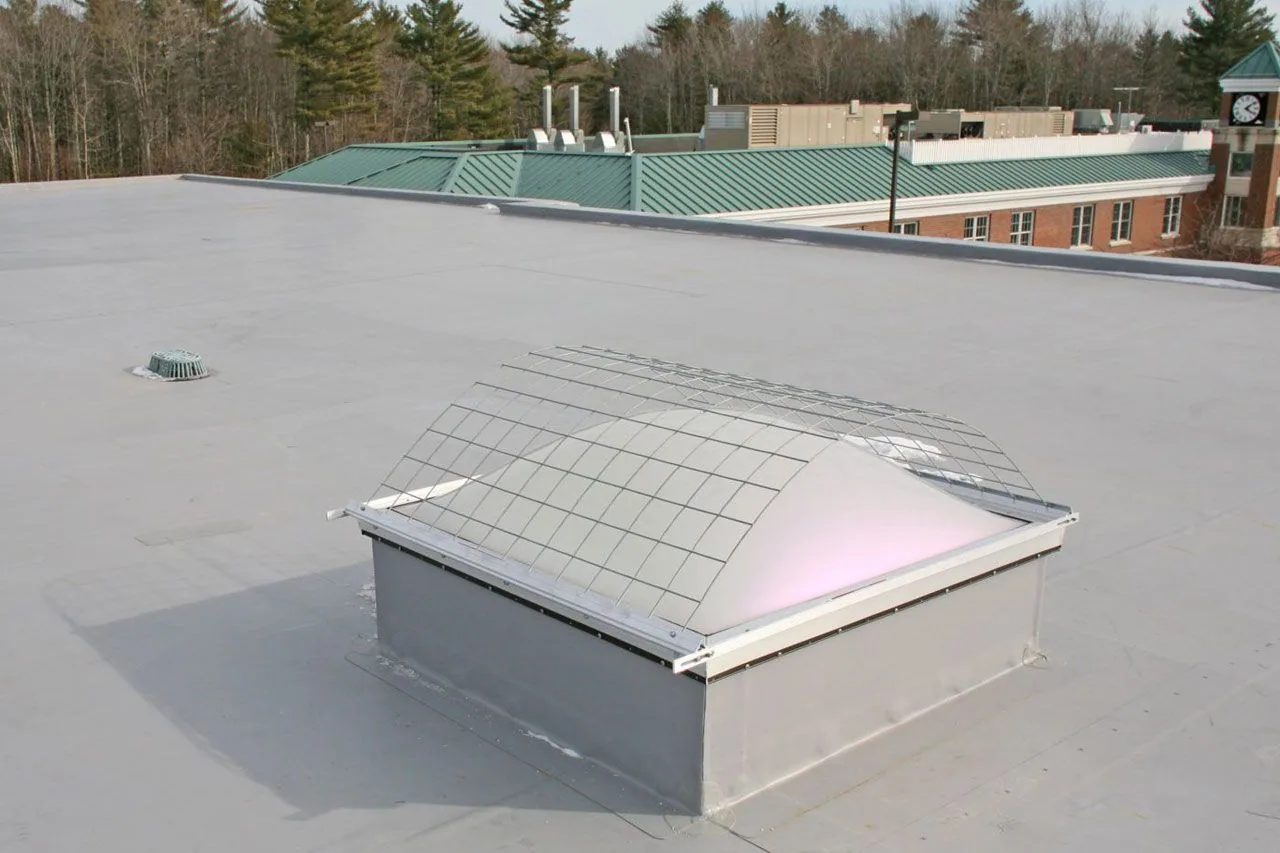
On a data center roof, a penetration leak is a much bigger deal than a stained ceiling tile. Pipe penetrations for refrigerant and condensate lines, conduit stubs, equipment rails and curbs for cooling units all break through the membrane, and any one of them can let water reach the white space. At a data center in Plano, TX we start by identifying the roof system and each penetration in the problem area. Then we sort out what the roofer fixes and what the mechanical or electrical contractor has to prepare first, so the estimate covers the whole repair.
Before the visit we ask for roof drawings, equipment layouts and any past repair notes, along with the name of the person who can approve roof access and escort the crew. Those records help us find the right area quickly, but they can't tell us what the flashing looks like today, so we still inspect each penetration in person. We also want to learn the site's change-control rules early. Many facilities require advance notice, a set work window and a written plan before anyone cuts the membrane over a live room, and we build the repair around those rules.
Inspecting each penetration
For penetration flashing repair, we look at how the membrane is sealed around each pipe, conduit and support: pipe boots, pitch pans, prefabricated flashings and the clamps that hold them. Pitch pans with shrunken filler and cracked boots on older condensate lines are common culprits. A water sensor alarm or a drip in a hot aisle tells us where to start, not where the water got in, since it can run along the deck before it falls. If we can't confirm a source without opening the flashing, we tell you where we want to cut and include the patch.
If the curb wood or the deck around a penetration is rotted or rusted, it gets fixed before new flashing goes on. Curb repairs are usually roofing work; changes to a structural support or an equipment frame need an engineer's sign-off. We photograph what we find while it's open, because the finished flashing will hide it. That also explains price gaps between bids. Two quotes can both say "reflash six penetrations," but one includes replacing a rotted curb and the other assumes the curb is fine. We list the curb, deck and flashing work separately so you can compare them.
What a moisture scan can and can't tell you
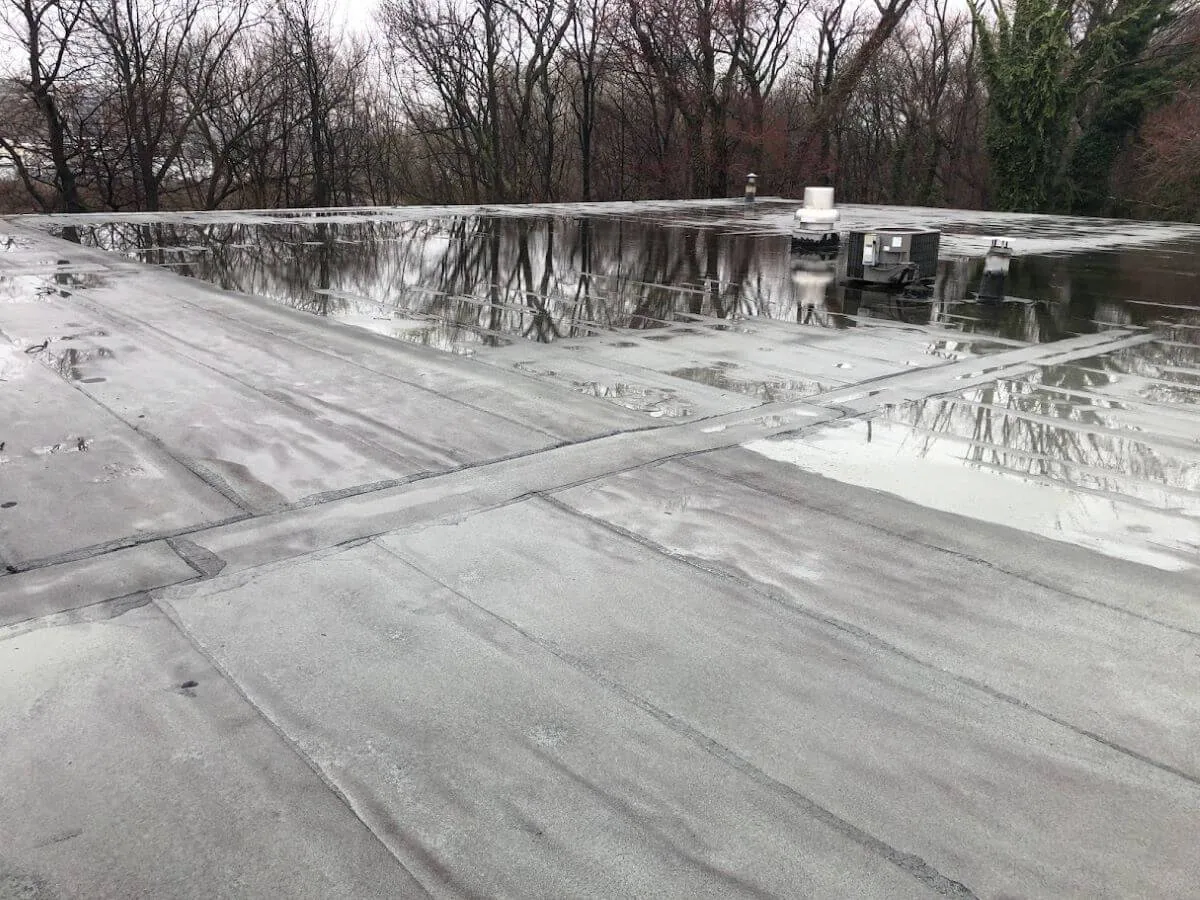
An infrared roof scan is useful on a data center because it maps wet insulation without cutting the roof. Readings depend on conditions, though. The scan needs a clear night after a sunny day, and heat from rooftop cooling equipment and exhaust can create false spots. It also can't tell us how far water has spread under a seam or whether the insulation is good enough to keep. We use it to pick spots for core samples, confirm with cuts and a moisture meter, and patch every core the same day.
We keep what we saw separate from what we think caused it. An open seam next to a condenser line may be plain wear, foot traffic from service techs or damage from a dropped tool, and the evidence doesn't always say which. We note the exact location of each finding and don't assume the rest of the roof is in the same shape. If one area needs more opening before we can decide what to keep, the estimate says so. You'll know which numbers are firm and which depend on what that opening shows.
Coordinating rooftop equipment work
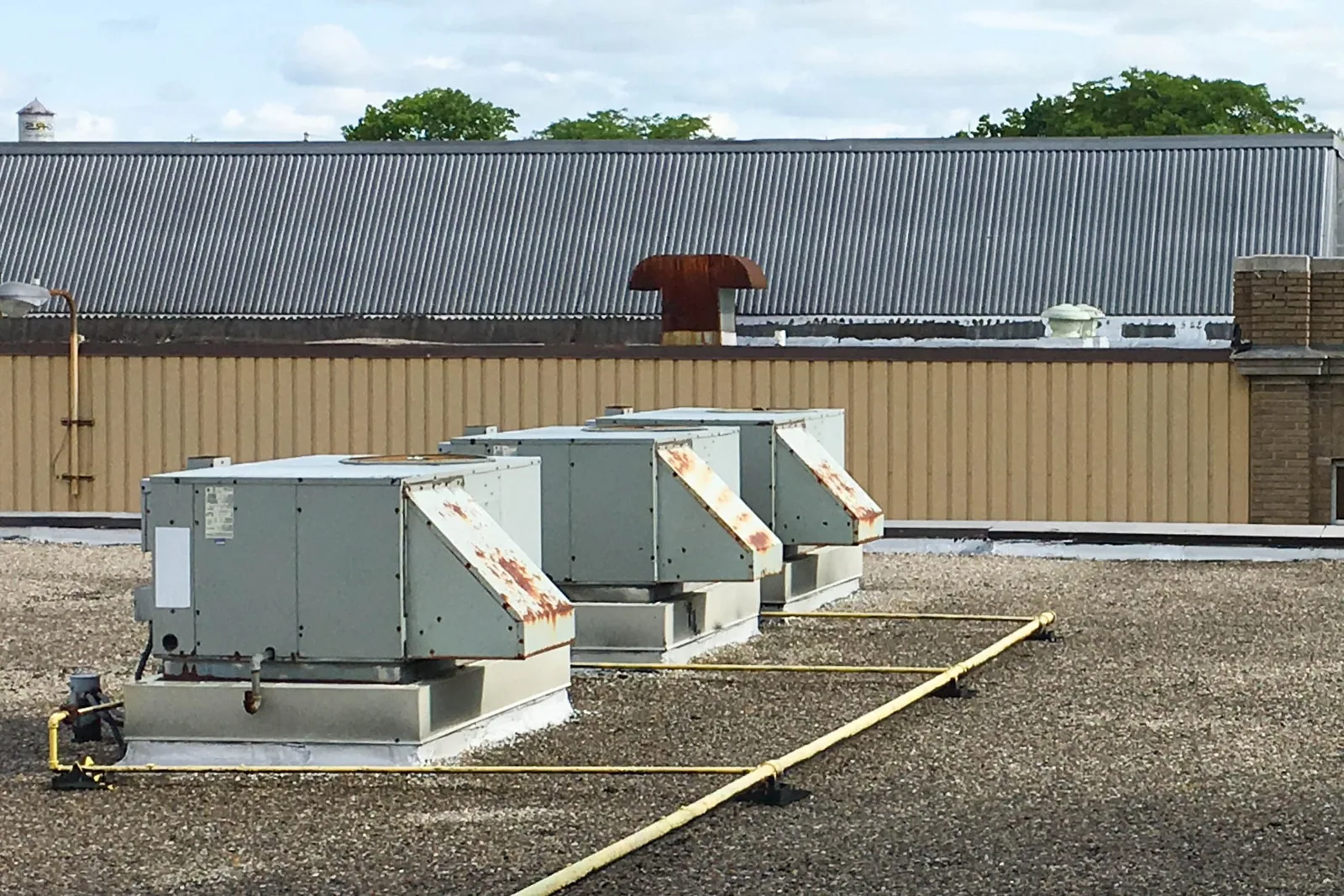
Many data center leaks start at rooftop curbs and equipment supports. If a unit has to be lifted, a line rerouted or a support raised so we can flash it properly, the mechanical contractor who services that equipment does that part, and an engineer reviews any structural change. We work out the sequence together: they shut down or make safe what needs it, we flash, and they return it to service. Flashing around equipment that hasn't been prepared just sets up the next leak, and it doesn't clear the equipment to run.
The roof repair itself should list the membrane and insulation coming out, what stays and the new flashing going in. The method depends on the roof. TPO and PVC flashings are heat-welded to the field sheet, EPDM uses tape and primer, and modified bitumen or built-up roofs need compatible plies. Where a penetration sits near a wall, we check the wall flashing and the wood behind it too. If a roof drain is in the work area, we redo the drain flashing and clamping ring; problems in the pipe below go to a plumber. A coating line item isn't a substitute for any.
Keeping the data hall dry during the work
Any repair that opens the roof is work over an occupied building, and on a data center the people below are your operations staff. Before we cut, we review the plan with your facility team: how big the opening will be, how material gets up and down, and what sits directly underneath. They decide whether racks, cable trays or electrical gear need protection or extra monitoring. We only open what we can close the same day, and we watch the forecast. Inspection access isn't approval to open the roof; that comes through your change process.
If we open a penetration and find more wet insulation or rusted deck than expected, we stop and send photos with a revised price before going further. The revision shows the added tear-off, deck repair and flashing. If the bigger opening now sits over a different room, we go back to your team so they can review protection there. When a mechanical contractor has to move something before we can finish, we install a temporary seal that holds overnight and through rain. Adding square footage to an estimate doesn't cover those steps, so we spell them out.
A record you can hand to the next team
After the repair, you get a record of each penetration we worked on: its location, photos of what was under the old flashing, what was replaced and how the new flashing ties in. We list core cuts we patched and anything still open for another contractor, such as a line that needs reinsulating or a drain the plumber should look at. Spots we flagged but didn't open stay on the list with their locations. Facility staff change over time, and a clear record means the next manager doesn't have to guess what was done.
We work across Plano, including the Legacy West and Legacy Business Park area. Other building types have their own priorities. Office building roofs carry similar rooftop units, but a short leak there is a nuisance rather than an outage risk, and manufacturing plant roofs often deal with exhaust, heat and heavy equipment. For your data center, send us the address, the access contact and where the water or alarm showed up, and we'll start there.
Commercial Roofing Questions
What makes a penetration repair complete?
The old flashing comes off, any rotted curb or rusted deck around the penetration is repaired, and new flashing is installed to match the roof system. If equipment has to be moved or a line rerouted, the estimate should name the trade that does it.
Can an infrared scan show everything wrong under the roof?
No. It's good for mapping wet insulation, but heat from rooftop equipment can skew readings and it can't judge every layer. We confirm suspect areas with core cuts before deciding what stays.
Who prepares rooftop cooling equipment before you flash around it?
The mechanical contractor who services that equipment. They handle shutdowns, disconnects and any lifting, and an engineer reviews structural changes to supports. We schedule our flashing around their work.
What happens if the repair turns out bigger once the roof is open?
We stop, send photos and a revised price, and review the larger area with your facility team before cutting further. If another trade needs to work first, we leave a temporary seal that keeps water out in the meantime.
Schedule a data center roof inspection
Tell us where the leak or water alarm showed up and who can escort our crew. We'll inspect the penetrations and lay out a repair plan that fits your work windows.

Request a Roof Assessment in Plano
Tell us about the building, the roof and what you are seeing. Send a request or call 555-555-5555.