
Commercial Roof Repair in Frisco
Home / Service Areas / Frisco
When a Frisco roof starts leaking during a storm, the first call is usually about stopping the water. That is the right priority. But a tarp, a bead of sealant or a quick patch is not the end of the job, and owners sometimes pay for the same leak twice because nobody explained what the temporary fix did and did not do. We keep the emergency work and the permanent repair clearly separate, from the first visit to the final invoice.
We also serve Prosper and Granite Park. Whatever the building, we tell you what the temporary measure covers, what still needs to be inspected and what the permanent fix will involve.
Stop the water first
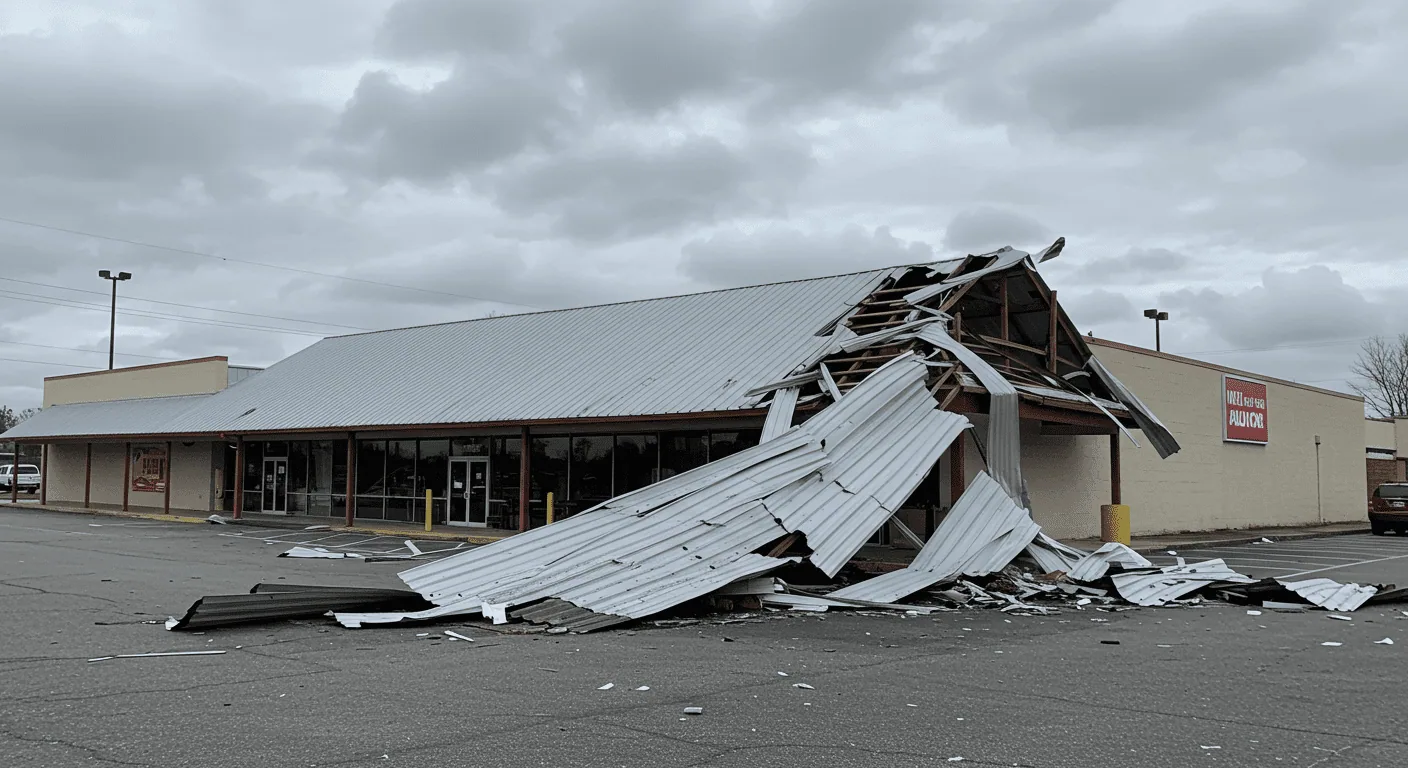
An emergency visit has one job: keep water out of the building until a proper repair can be made. That might mean a temporary patch over a torn membrane, sandbagged plastic over an open seam or clearing a clogged drain that is backing water up under the flashing.
With emergency roof repair, we write down exactly what we did and where. If a tarp is weighted with sandbags, we note it so nobody trips on it or forgets to remove it. If a temporary patch was applied over wet material, we say so, because that area still needs to be opened and dried out.
We also tell you what we could not do on that visit. Rain, darkness or high wind can limit what a crew can safely inspect. Anything left unchecked goes on the list for the follow-up visit, so you know the emergency work is a stopgap and not the final answer.
Inspect before the permanent fix
Once the weather clears, we come back to inspect the damaged area properly. We remove the temporary material, look at the membrane, seams and flashing around the damage and cut test openings to check the insulation underneath.
On an office building, this visit also means checking interior conditions with your property manager. Wet ceiling tiles, damp insulation above them and any electrical or data equipment that got wet all need attention, and some of that work belongs to other trades. We tell you which parts are roofing and which are not.
If the storm or an earlier repair changed the roof, such as a new layer of patch material or a damaged curb, we figure out what is there now before choosing a permanent fix. A repair designed for the roof as it used to be will not hold on the roof as it is now.
We keep notes on anything that is not roofing, such as a cracked window frame or a leaking wall joint, and pass them to your property manager.
Choose the right permanent repair
The permanent repair depends on the roof type and the damage. On a TPO roof, we cut out the damaged membrane, replace any wet insulation, install new TPO and heat-weld it to clean, prepared existing sheet. We probe the new welds after they cool and fix any gaps.
If the damage reaches a curb, wall or edge, the repair includes new flashing, not just a patch next to it. Sometimes that means another trade has to step in first, for example to secure a loose rooftop unit or repair a damaged parapet cap. We name that work in the proposal and schedule the roofing to follow it.
If the old temporary patch used a product that will not bond with the permanent material, we remove it fully before starting. That step is easy to skip and one of the most common reasons a permanent repair fails early.
Why the final price can differ
Owners sometimes ask why the permanent repair costs more than they expected after the emergency visit. Usually it is because the inspection found more than the storm-night look could show: wet insulation that spread under the membrane, more seams opened than were visible or a damaged deck section.
We explain any change with photos and locations. If the price goes up, you see why. That is important for roof capital planning, especially if the damage could push the roof toward a larger restoration or replacement sooner than planned.
If an insurance claim is involved, our documentation separates storm damage from older wear. We report what we see; we do not decide coverage. Clear records help your adjuster and your team agree on what happened.
Finishing the job and closing it out
When the permanent repair is complete, we remove all temporary materials, clean up the work area and walk the roof with your contact if they want to see it. Sandbags, tarps and leftover patch material come down with the debris.
Your report covers both stages: what we did on the emergency visit, what we found during the follow-up inspection and what we installed for the permanent repair. Photos show the damage, any hidden conditions and the finished work.
If any part of the job is still waiting, such as a mechanical contractor's work on a rooftop unit, we note it clearly. Temporary protection in that area stays in place until the permanent fix is done, and the report says who is handling the next step.
We also list other parts of the roof that looked vulnerable during the inspection. Storms tend to expose weak spots, and it is better to know about them now than during the next hailstorm.
For a Frisco office or retail building, that report also gives your tenants a clear answer about what happened and what was fixed. It can save your property manager a lot of phone calls.
Commercial Roofing Questions
What should an emergency roof visit tell me?
What was done to stop the water, exactly where, and what still needs to be inspected or repaired. Temporary work is a stopgap, not a permanent fix.
How does the permanent repair follow the emergency patch?
We come back in clear weather, remove the temporary material, inspect the damage and insulation underneath and then install a repair that matches the roof as it is now.
What if another trade has to work before the roof can be closed?
We name that work in the proposal, such as securing a rooftop unit or fixing a parapet cap, and schedule the roofing to follow it. The area stays protected in the meantime.
Why can the permanent price differ from the emergency visit?
The follow-up inspection often finds wet insulation, more open seams or deck damage that could not be seen during the storm. We show you photos and explain each change.
How do I know the job is fully finished?
All temporary materials are removed and your report covers the emergency visit, the follow-up inspection and the permanent repair, with photos and any open items noted.
Get your Frisco roof permanently repaired
If you have had an emergency patch or tarp installed, tell us the building and what happened. We will inspect the damage and give you a clear price for the permanent repair.
Request a Roof Assessment in Plano
Tell us about the building, the roof and what you are seeing. Send a request or call 555-555-5555.