
Commercial Roof Capital Planning in Plano, TX
Home / Roofing Capabilities / Commercial Roof Capital Planning
A replacement budget built only on roof square footage tends to come up short. Parapet wall flashing, new drain bowls, curbs for rooftop units and edge metal all add labor and material that a per-square-foot figure leaves out. A Plano owner setting next year's budget needs those line items next to the membrane quantity. We inspect what we can reach and list what each number includes. A figure built on a half-understood detail is how a manager ends up asking for a second approval two days into tear-off. A good planning report flags that risk before the money is committed.
Plano Municipal Center sits on K Avenue, and Collin College's Plano Campus is on East Spring Creek Parkway. If your building is near either one, send us its address and the roof sections you are thinking about. A roof condition report for your building gives the findings behind the budget and notes what we could not inspect. The manager can tie each line to roof we actually looked at, with included details, open quantities and the planned budget year listed beside the allowance.
Every number needs clear edges
We start with the roof sections on the table. We measure them and count the walls, drains, pipe penetrations and edges the work will touch. We also look at where the new roof meets any roof that stays. A replacement section may share a parapet or expansion joint with an older roof next door, and that tie-in belongs in the scope even if it falls outside a neat area calculation. The owner should be able to point to both the field work and the finished edges on the plan.
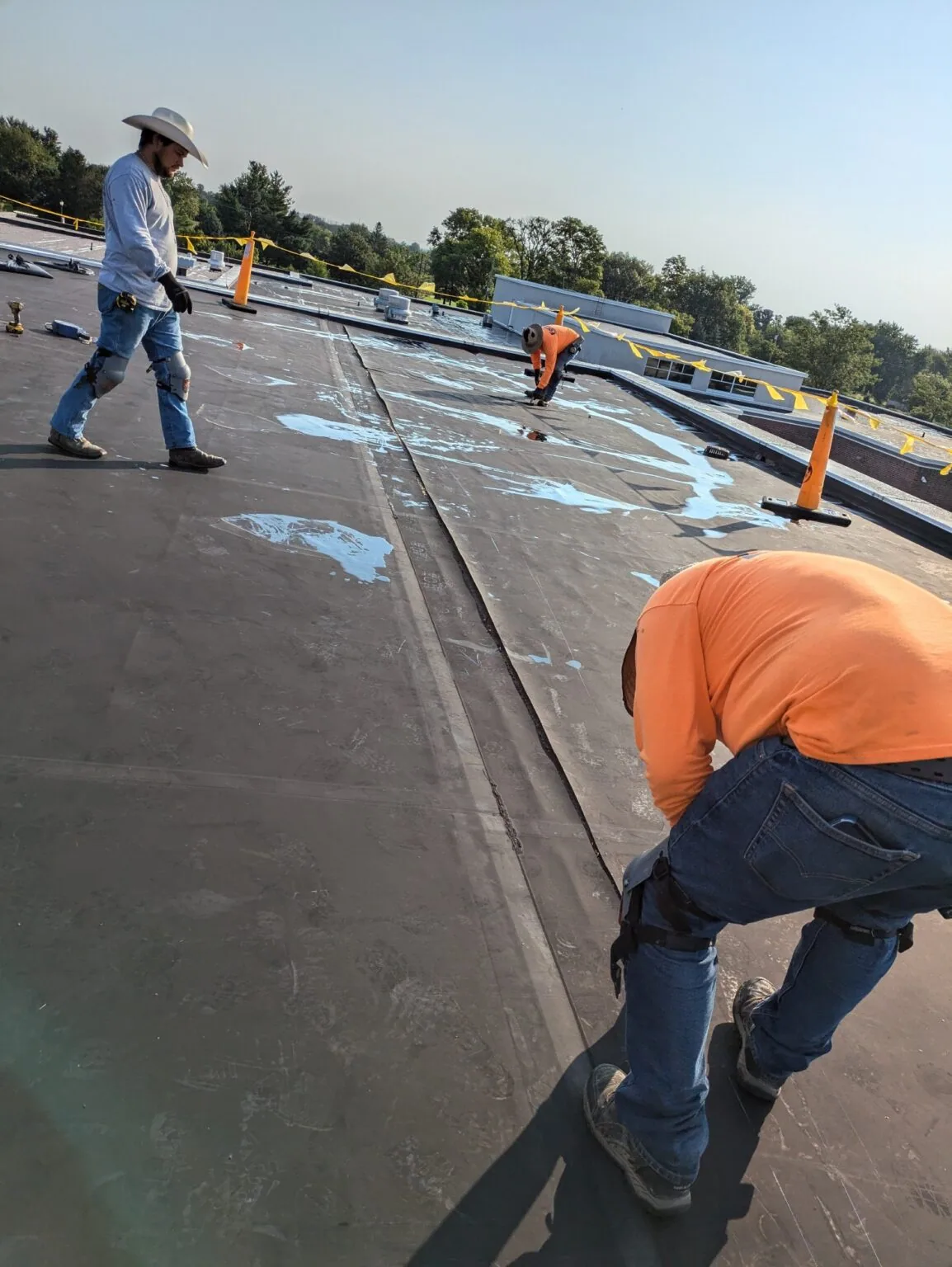
Next we separate how deep the tear-off goes from what gets installed. Insulation may be dry enough to keep in one area and soaked in another. We note what we found and whether more testing is needed. Our commercial roof replacement scopes tie the new roof system to that prep work. A membrane quantity means something only once the owner knows what has to happen under and around it.
Deciding what to do about unknowns
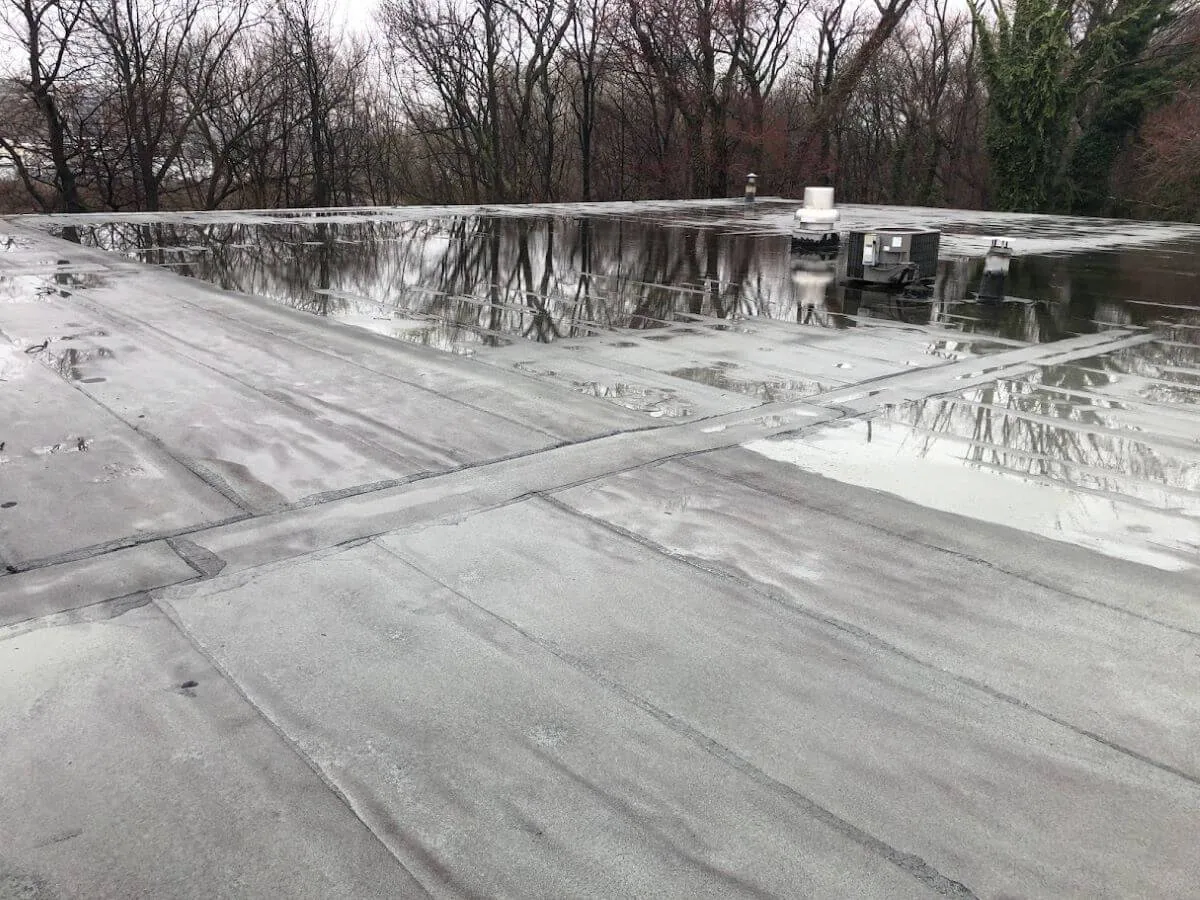
Looking at the surface only tells you so much. Where wet insulation or a damaged deck could change the job, we say whether core cuts or a moisture scan can settle it before the budget is approved. The report marks where we tested and how far the result can be trusted. One core does not tell you what every roof section looks like. The manager should know which numbers rest on confirmed conditions and which still depend on what turns up.
Sometimes testing cannot answer everything ahead of time. In that case we name the open question and how it could change the job: more tear-off, deck repair or work by another trade. That note sits next to the line item it affects. A contingency with no stated purpose gives the owner no way to judge whether it is enough. The plan should list the unknown, the step that would answer it and who reviews the result.
What we uncover during tear-off can change the plan. We photograph it before new material goes over it. The manager reviews the change through the approval process already agreed, while the roof stays protected. That keeps a revised price tied to real conditions instead of treating every change the same way.
A repair has to be a real option
A smaller repair can make sense in the budget when the roof around it is sound enough to hold a lasting fix. We check the repair area before comparing its price with replacement. If a curb or drain needs work before the membrane can be sealed to it, that goes in the price. A patch quoted without it looks cheaper only because it leaves the job unfinished. The owner should compare repairs that actually stop the leak.
With commercial roof repair, we spell out the prep, which layers get replaced and the flashing you end up with. We also note what is outside the repair and why. A good local repair does not prove the rest of the roof is dry underneath. Later spending can follow findings elsewhere without undoing the first repair. The manager gets a straight answer on what the smaller budget buys now.
Schedule follows when the roof is ready
We order the work by what physically has to happen first. An HVAC contractor may need to disconnect or raise a unit, a plumber may need to extend vent pipes, or a curb support may need repair before roofing can finish. We confirm who is doing each task and how they will get on the roof. A date on the budget schedule does not mean that earlier work is done. The manager needs those dependencies next to the roofing line.
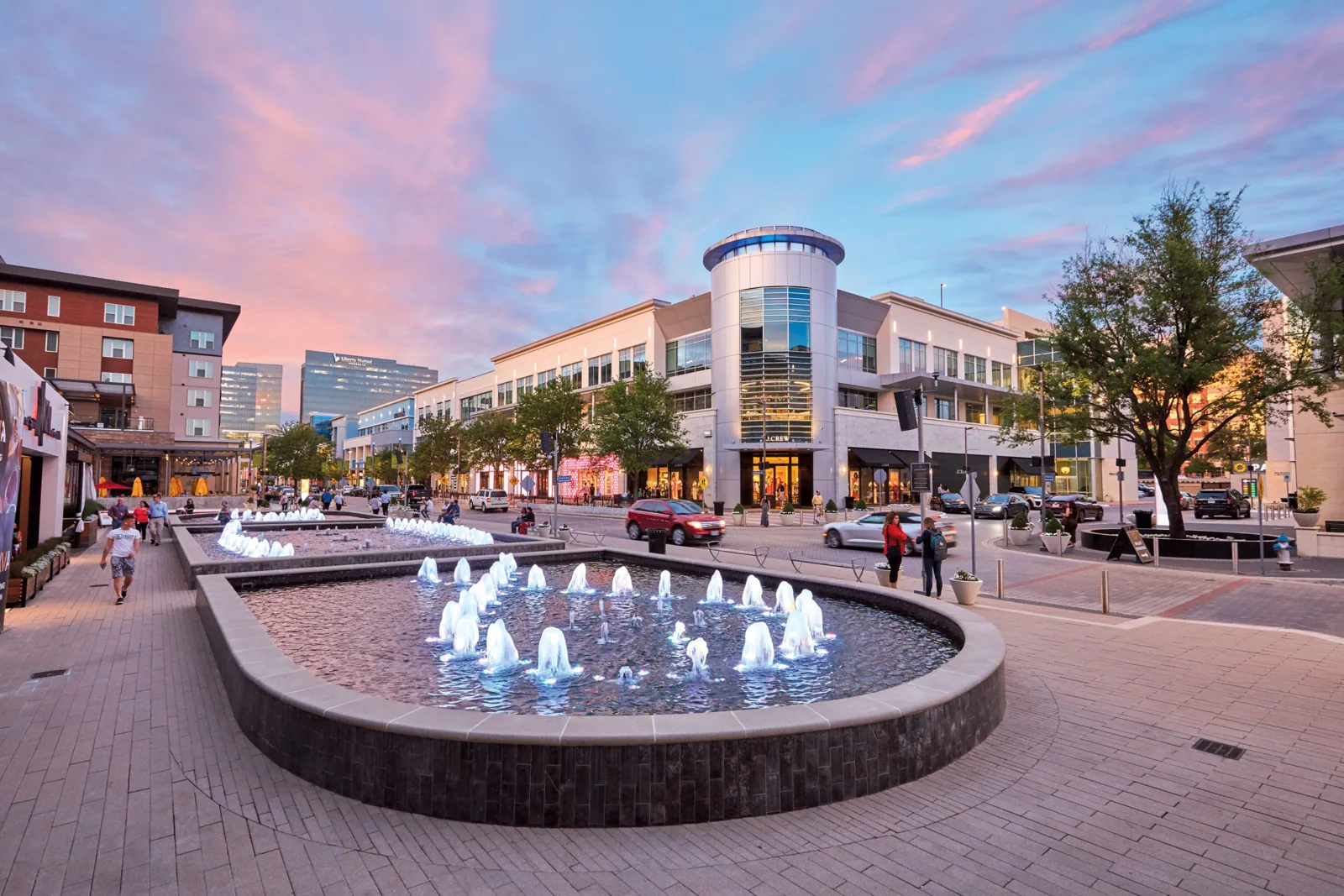
For buildings in Downtown Plano, the on-site contact confirms working hours and access. Crane or hoist location, roof access and protection all affect the order of work. A project can be split into phases where each section can be properly tied off. A budget year by itself is not a good enough reason to leave a weak temporary seam between phases. We note which sections can close on their own and which depend on another trade first.
Keep the reasons for each choice on file
We present each option with the same quantities and clearly stated scope. The owner can compare tear-off depth, insulation kept or replaced, new flashing and edge metal, and testing still outstanding side by side. Each option says whether another trade's work is included or needs its own approval. A low total is hard to judge when it quietly leaves out tasks the other bid includes. Clear scopes let the owner see what each price actually buys.
The roof asset record should note why a given option was chosen. Photos, measured quantities and pictures of the work under the membrane are kept with their roof locations. We list the finished flashings and anything other trades still owe. When the next funding request comes in, the manager can see what the last spend fixed. A completion date alone does not tell you.
Emergency roof protection is available at night, on weekends and on holidays. We list it apart from the long-term budget recommendation. The owner can stop an active leak while the testing and repair decisions move ahead.
Later phases need a fresh look
Before approving a later phase, we check whether the old notes still match the roof. New HVAC work, a fresh leak or wet insulation found nearby can change what the job needs. A commercial roof inspection before the next phase catches those changes. We mark what is new and how it changes the planned scope. Earlier measurements still help, but the work should follow the roof's current condition. The owner gets an updated recommendation with the changes called out.
Commercial Roofing Questions
What should come with a roof replacement budget?
Measured roof areas, how deep the tear-off goes, what insulation stays and the wall, drain and equipment flashings involved. It should also list work other trades must do first and any testing still needed. Otherwise the membrane number will not cover the whole job.
Can a local repair be part of a capital plan?
Yes, as long as the surrounding roof is sound enough to hold a lasting repair. The plan should list the prep and any curb or drain work, and say what area the repair covers. Then it can be compared fairly with replacement.
How should unknown conditions be shown in the budget?
Each one should be marked on the roof plan along with the test that would answer it, such as a core cut or moisture scan. The note should say how the answer could change the tear-off or rebuild, and sit next to the line item it affects.
Where can a phased roof job be split?
Where the new section can be tied off properly to the roof that stays, such as at an expansion joint or a wall. Equipment work and temporary protection need to be lined up first. A budget year alone is not a good place to draw the line.
When should a planned later phase be rechecked?
Right before it is approved. New leaks, HVAC changes or other findings can change the scope. Earlier records help, but the work should be priced from the roof's current condition.
Get numbers you can budget on
Schedule a roof assessment for the Plano buildings you are budgeting. We will measure the work, price the flashing and drain details with it and flag anything that could change the number, so you can weigh repair against replacement.
Related Roofing Work

Request a Roof Assessment in Plano
Tell us about the building, the roof and what you are seeing. Send a request or call 555-555-5555.