
KEE Roofing in Plano, TX
Home / Roof Systems / KEE Roofing
A KEE roof proposal should tell you more than the membrane type. It needs the exact product, what it's going over and how each curb, pipe and edge will be flashed. We work through those decisions on Plano KEE roofs. The seam welding gets its own place in the scope too, including the test welds the manufacturer calls for to dial in the equipment for the day's conditions.
The February 14-17, 2021 winter storm was a hard test for North and Central Texas roofs. For a large building like the Plano Municipal Center on K Avenue, or any KEE roof in the city, we review the roof areas and what we can reach before recommending anything. The recommendation shows the proposed membrane and everything else needed to finish the installation.
Identify the selected KEE membrane
FiberTite describes its KEE membrane technology as ketone ethylene ester. A KEE roof proposal still needs the specific sheet and installation method written down. We look at the material proposed for your roof rather than treating the category as if it answered every product and detail question.
KEE is often compared with PVC roofing, and we lay out the full membrane system in each option. We name the material, the accessories and what they're going over. If another product is on the table, its details stay with its own proposal. You can follow the installation from the sheet to every seam and flashing, instead of comparing a KEE label against a quote that describes a complete roof.
Review the actual installation areas
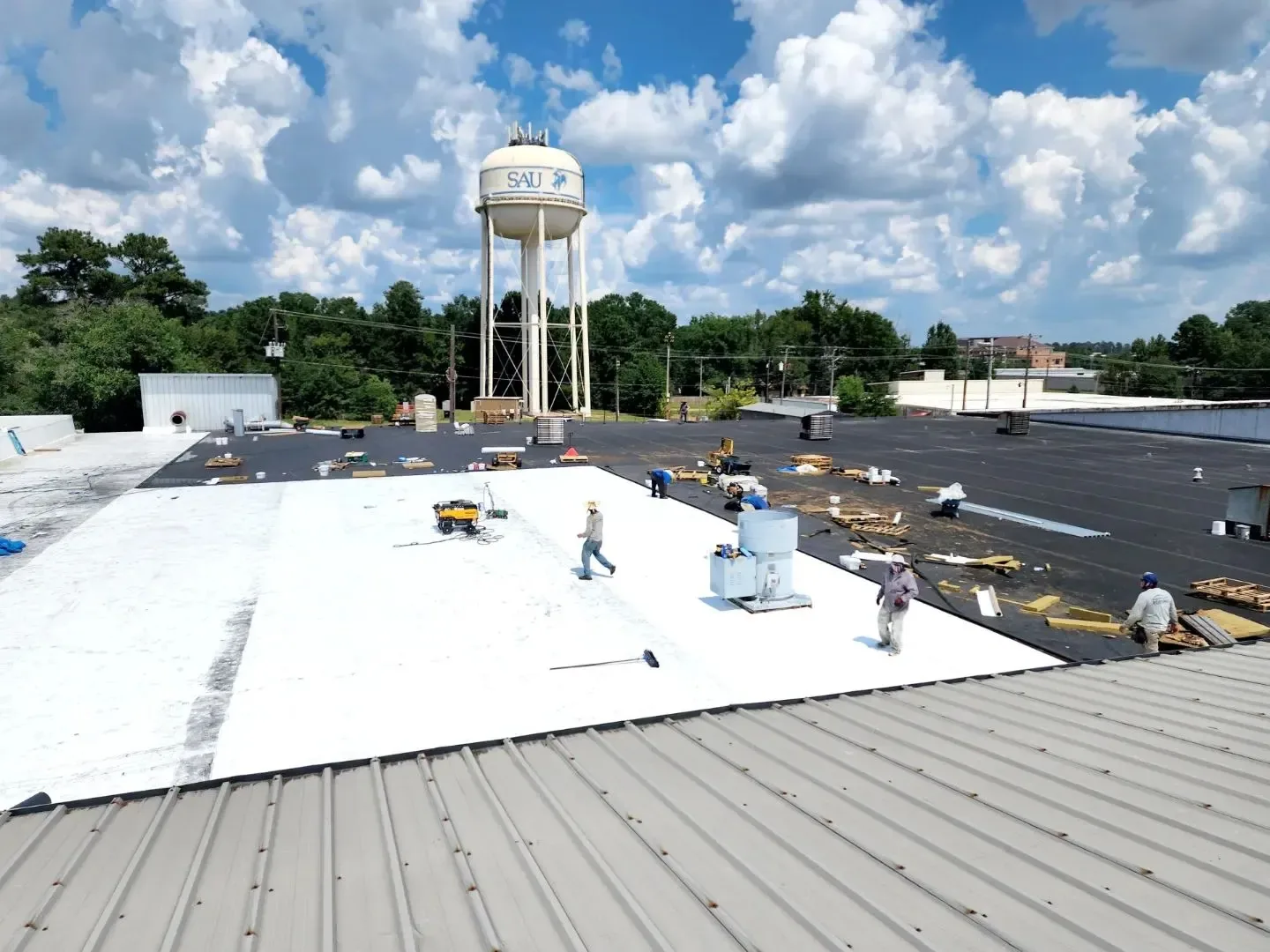
We mark the roof areas getting new membrane and any existing roof staying next to them. We identify the insulation and how the membrane will be attached. If something under the existing sheet affects the choice, we test before relying on it. The estimate needs both the square footage and the layers involved.
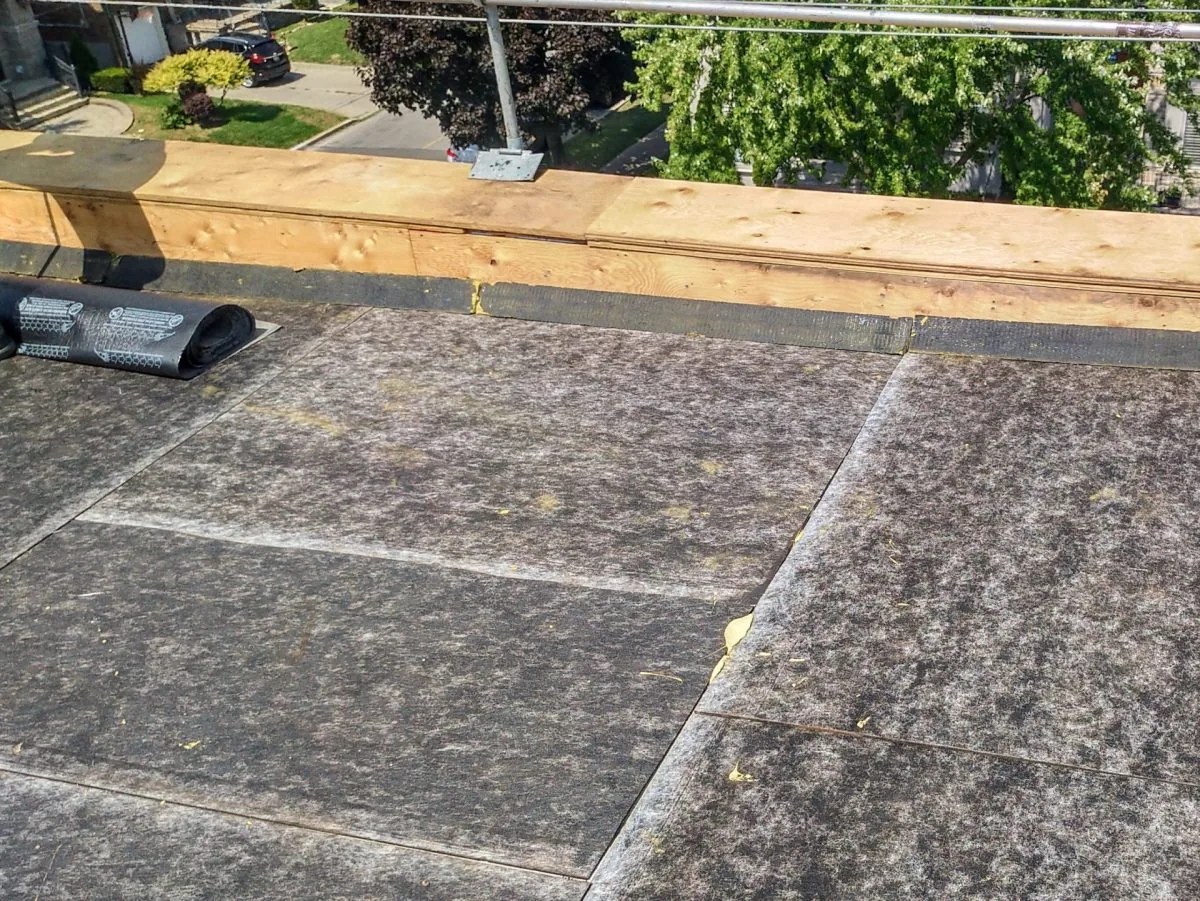
Our roof insulation and cover board review covers what stays under or next to the new membrane. If tear-off is needed, we state the depth and the new layers. Where new work meets an existing roof, we mark the tie-in and how it'll be done. You can compare bids on the same boundaries and spot extra prep or layers one price includes and another leaves out.
Connect trial welds with the field work
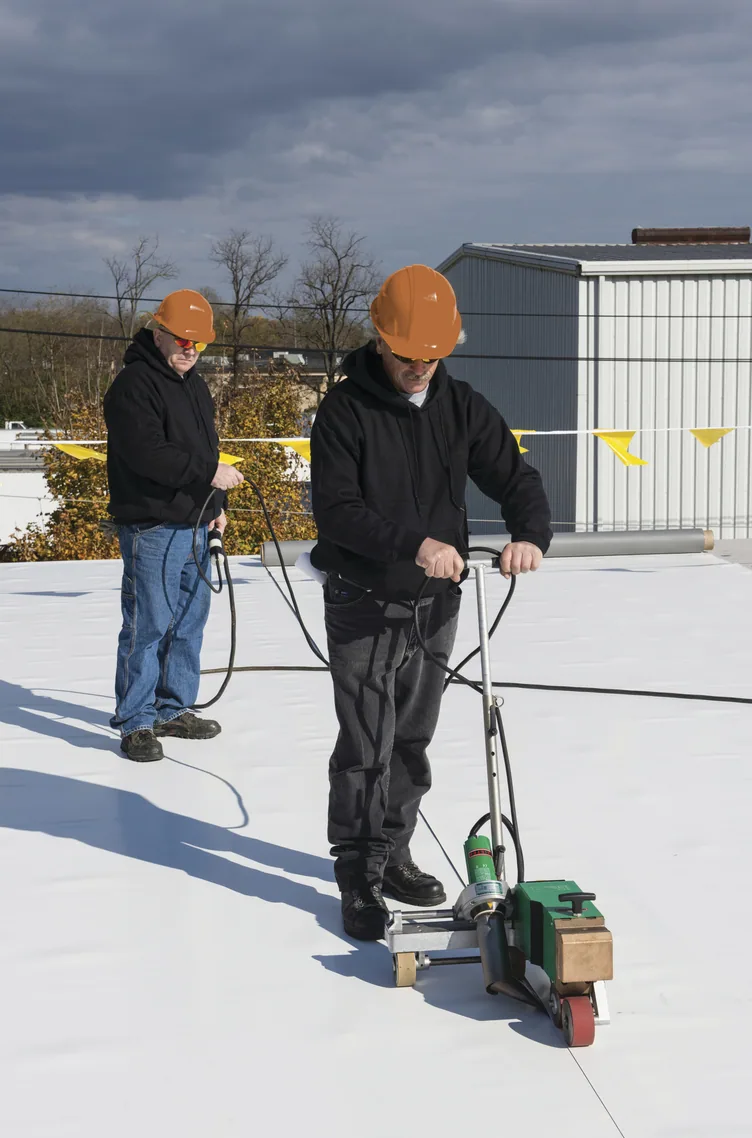
FiberTite's foreman guidance calls for test welds before field welding, to set nozzle alignment, heat and travel speed. It also notes that changes in weather and air temperature can require different settings. When that product is used, seam welding follows the manufacturer's instructions and the conditions the crew actually faces that day.
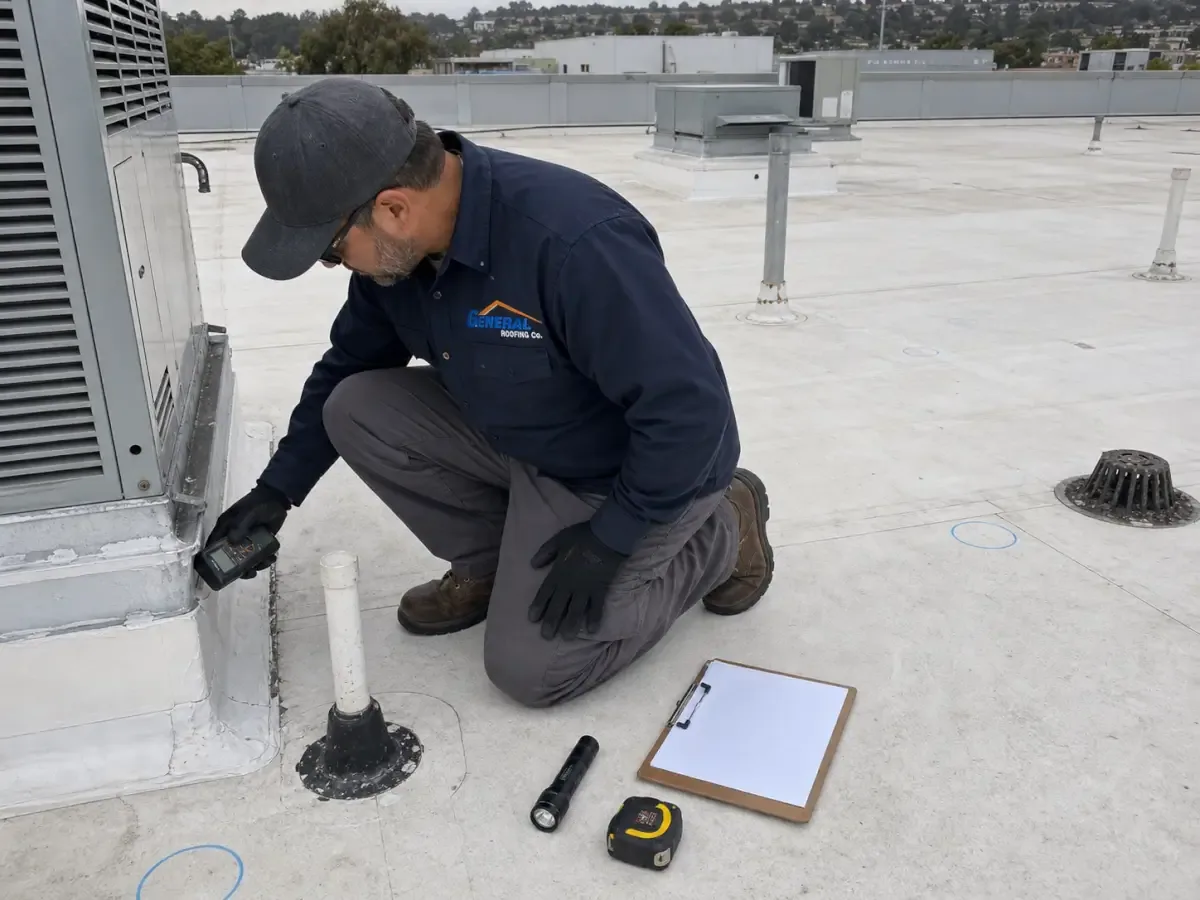
Our commercial roof inspection notes record the seam work and what we observed. A test weld should match the material and conditions of the field welding. A recorded heat setting isn't proof that every seam is good, so seams are still checked. Any seam repair locations are tied to the same roof plan used for the installation quantities.
Define the detail drawing used
FiberTite's detail library has separate drawings for wood or skylight curbs, metal curbs and pre-molded or field-fabricated pipe flashing. The actual curb or pipe and the chosen detail decide how it's flashed. A drain, a curb and a pipe can't all be covered by one general flashing allowance. We locate each one and note the detail drawing that applies. If the curb or unit is changed later, we revisit the detail instead of carrying the old one forward.
For a campus building such as one at Collin College's Spring Creek Parkway campus, roof and equipment records would guide the review before details are chosen. A TPO roof flashes the same curb with its own method. You can see the materials and steps in each proposal, including any curb repair that has to happen before the membrane goes on.
Locate repair preparation separately
Repairing existing KEE membrane means identifying the product and checking the surrounding material. We note old patches or coatings and the surface the new patch will bond to. The product's method decides the prep and how the repair is sealed. Any cut-out to reach good membrane is listed separately from questions about the insulation underneath.
Our commercial roof repair scopes tie the prep and finished repair to what we found. If a larger repair is proposed, we show what condition makes it bigger and keep the evidence with it. You'll see a construction reason behind the quantity, not a generic membrane allowance. The crew gets a clear repair boundary and method, not an instruction to cover an old patch without checking what's under it.
Keep the installed method identifiable
We keep the membrane product, the installed areas and the detail drawings used together. Seam check notes and photos stay with each work location. If something found in the field changes the method or quantity, the finding and the change are recorded. The final record matches the material actually installed and the seams and flashings made on the job.
For Downtown Plano buildings and across the city, you'll be able to find the work you paid for at a later inspection. A future equipment change can be planned against the existing product and details. Any area left outside the finished job stays on the list, so you know what's done and what's still waiting.
Commercial Roofing Questions
What should a KEE proposal include besides the word "KEE"?
The exact membrane and installation method, plus the insulation underneath, the areas being covered and the flashing details used.
Why do test welds matter on a KEE roof?
They set the welding equipment for the actual material and weather that day. We follow the product method and keep seam check notes with the installation record.
Why name a specific curb or pipe flashing detail?
Because each type of curb or pipe uses different materials and steps. We locate each one and match it to the right detail instead of using a general flashing allowance.
What's involved in repairing existing KEE membrane?
Identifying the product, checking old patches and coatings and preparing the surface the repair will bond to. Any cut-out is listed separately from insulation testing.
What records help the next contractor understand our KEE roof?
The installed products, roof areas, detail drawings used and photos, along with any finding that changed the work.
Review the KEE product and field method
Schedule a KEE roof assessment in Plano. We'll record the base layers and detail locations and explain the membrane, seam welding and flashing work proposed.
Related Roofing Work
Request a Roof Assessment in Plano
Tell us about the building, the roof and what you are seeing. Send a request or call 555-555-5555.