
Commercial Roofing for Logistics and 3PL in Plano
Home / Industries We Serve / Logistics and 3PL
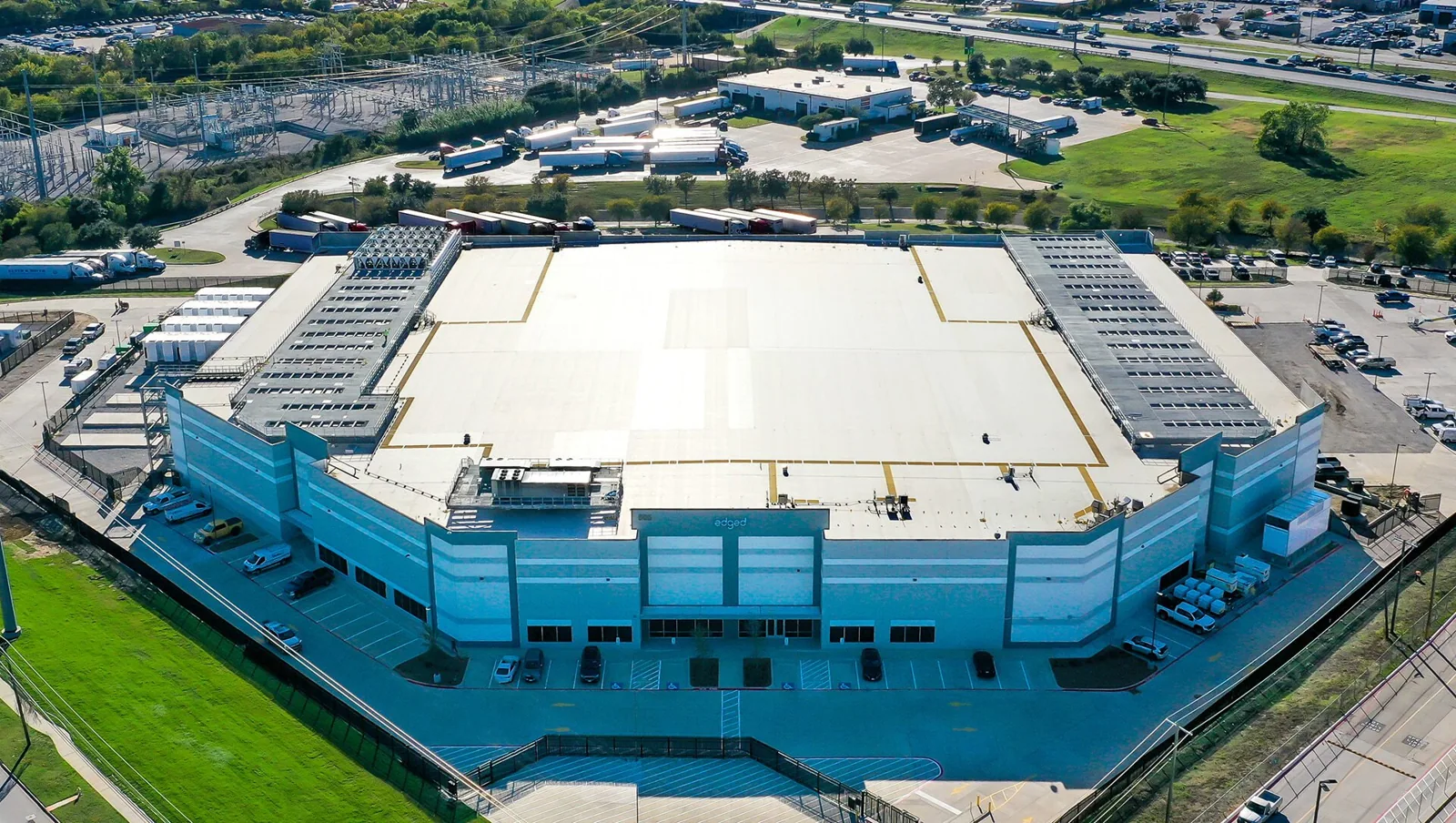
On a logistics building, the plan on the ground matters as much as the repair on the roof. Before we schedule anything, we ask the operator where roofing materials can be delivered, where debris can come out and which receiving or shipping windows we need to stay clear of. We mark the roof work area and its footprint so the site manager can approve the plan before work dates are set. The price covers the real sequence of work, including the permanent fix.
Whether your building is near DFW Airport's cargo area or closer to Plano, tell us the property, the operator and where on the roof the problem is. Our Irving roofing crews plan each job around that site's own access rules. If you also run a building in Garland, we get its dock and receiving rules separately. One contact can compare both scopes, while each site keeps its own route, schedule and sign-off.
Agree on receiving and roof delivery
We show where materials will be staged and how they'll get to the roof. The operator tells us which dock doors and drive aisles must stay open and when trucks are moving. Debris removal is planned along with deliveries, so we're not blocking traffic in either direction. Any conflict gets sorted out before the work is scheduled.
A distribution center roofing plan shows the work area clearly enough for the site manager to judge the impact on operations. A small seam repair needs a lift and a few rolls of material. A phased replacement needs staging space, a dumpster and crane picks. The scope spells out those differences so operations can review the actual job.
When retail and restaurant chains run their own distribution space, we confirm who approves the access route and who gets daily updates. We follow the receiving rules they give us, and any open access question is resolved before the first work day.
Investigate the report before defining repair
We start where the leak or damage was reported and check the membrane, seams, flashing and drains nearby. Past repair records and photos help us know where to look. We note each failure we find at its exact location. Water inside a warehouse can travel a long way along the deck or come from a rooftop unit, so if part of the leak still needs investigating, we say so next to the repair we're recommending.
Our commercial roof leak repair reports show what we reached and what still needs access. If we couldn't get to a detail, we explain what's needed, whether another visit or a test cut. The operator will understand why we're fixing one spot now while another part of the leak needs more information.
The repair matches the problem. A torn membrane gets a compatible patch tied into sound roofing. A failed pipe or curb flashing may need rebuilding once the equipment work is done. A drain may need clearing so we can inspect it, plus a separate repair if the flashing is damaged. Those details tell operations what to plan around and finance what it's paying for.
Compare the local and wider footprints
Before patching, we confirm the membrane type and check the roof around the repair. Questionable old patches and failed nearby flashing get fixed before we prep the surface. Where the repair depends on the insulation or deck, we test it first. Wet or rotted layers mean extra tear-off and rebuilding, and we show you photos and explain the change before you approve it.
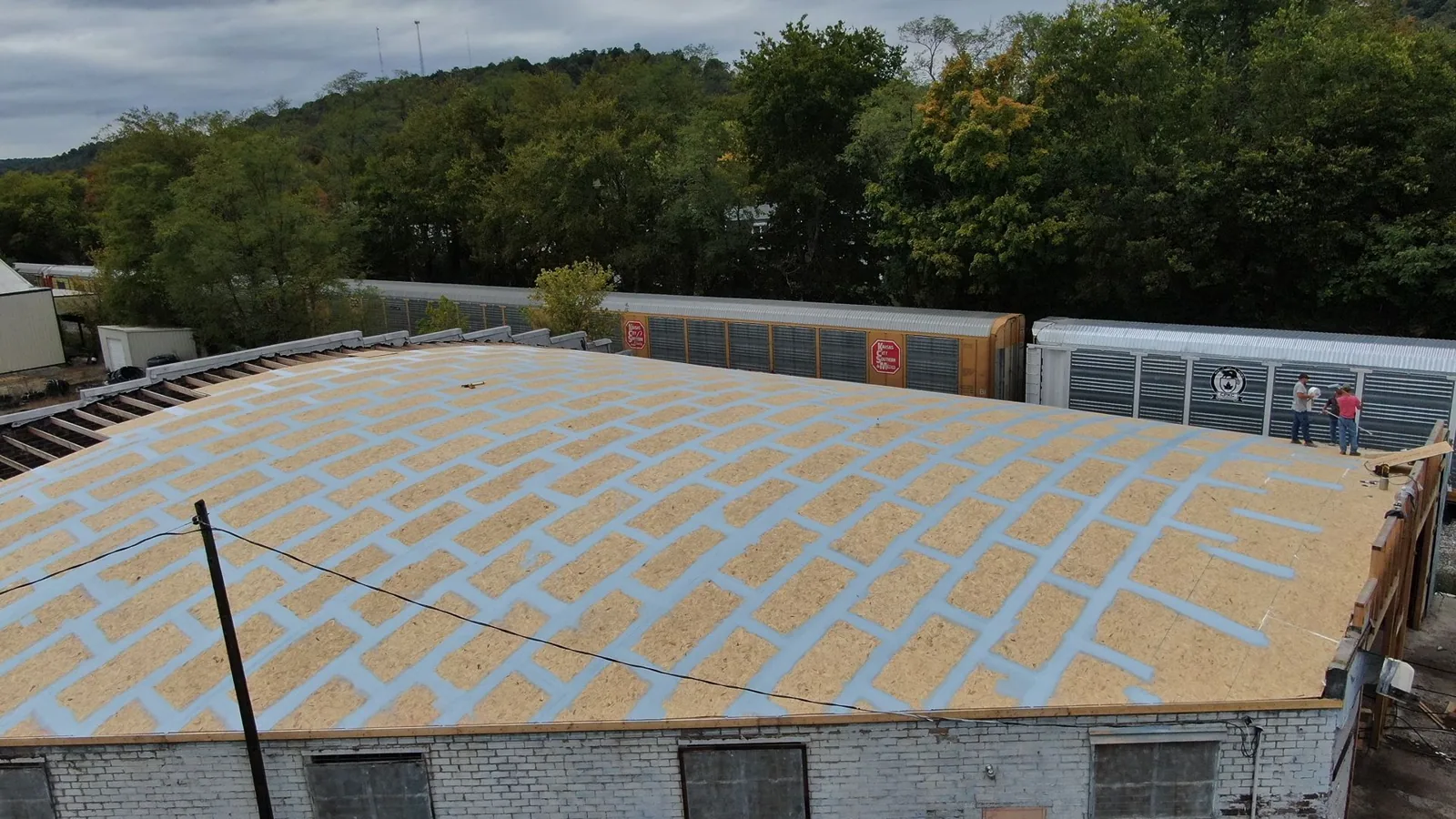
For a recover or full replacement, we inspect the larger area too: the existing layers, how the roof is fastened and the condition of edges and curbs. We explain the tear-off and rebuild before pricing it. Then we compare the local repair and the bigger job by work area, material traffic and the operator rules each one triggers. A larger project gets its own schedule based on its own inspection.
When manufacturers share the building, we identify who controls each affected area. We ask how a bigger roof footprint would change their loading or production plans, and we get the needed approval before extra work affects staging or another occupied space.
Establish the end-of-shift condition
We explain what will be opened, repaired and sealed during each work day. Every opening we create is closed up watertight before the crew leaves. If the permanent repair can't be finished that day, we mark the temporary protection on the roof plan. Operations gets a clear description of what's unfinished, what comes next and who's responsible for it overnight.
Our emergency roof repair notes list the remaining permanent work and who to call if conditions change. A temporarily sealed opening and a rebuilt permanent flashing are two different stages of work, and the record says which one the site has.
At equipment openings, we confirm what HVAC or other trade work has to happen before we flash, who approves it and who tells us it's ready. If that work runs over more than one day, it goes into the end-of-day notes. That way the operator can schedule dock access and the next visit, and everyone knows who owns the roof in the meantime.
Make the account usable for operations
A roof condition report shows the areas we inspected and anything still unanswered. We keep photos of the deck and insulation repairs and the rebuilt flashing before they're covered. The finished membrane hides the work that explains the repair, so the in-progress photos stay with the record.
Approved changes are explained by what we found, and anything excluded is listed. If another roof area or leak source is still being investigated, its next step is listed separately. The operator gets any remaining access, equipment or protection items with a contact for each. Finance can follow the cost, and operations can plan the next work window from a clear list of what's done and what isn't.
If a leak shows up later, we ask where it is and what you've seen, rather than just "it's leaking again." We compare it with the earlier repair and find the current source. The report can also help plan a wider roof review because it shows where we've already looked. The operator gets what it needs to schedule, and the owner gets a clear record of the roof work.
Commercial Roofing Questions
What does the operator need to tell you before roof work starts?
Where we can stage materials, how debris can leave and which dock doors and drive lanes must stay open. Also tell us the receiving and shipping windows we need to work around.
How does a small repair differ from a phased replacement on a warehouse?
They cover very different areas and need different equipment, staging and tear-off. We compare the work area, material traffic and operator rules for each option alongside the price.
What's included in the end-of-day notes?
A list of any openings and where temporary protection was left, the next step, who's responsible overnight and who to call if conditions change.
Who coordinates HVAC work before new flashing goes on?
We confirm who approves the equipment work and who tells us it's ready for flashing. If it runs into another day, it's included in the end-of-day notes.
What does the final record include?
Located defects, photos of hidden repairs and finished details, and any approved changes. It also lists exclusions and any testing or work operations still needs to schedule.
Arrange the Plano logistics roof review
Tell us which warehouse needs attention, who handles receiving and what problem you're seeing. We'll inspect the roof and plan the repair, ground access and end-of-day protection around your operation.
Related Roofing Work

Request a Roof Assessment in Plano
Tell us about the building, the roof and what you are seeing. Send a request or call 555-555-5555.