
Commercial Roofing for Retail and Restaurant Groups in Plano, TX
Home / Industries We Serve / Retail and Restaurant Groups
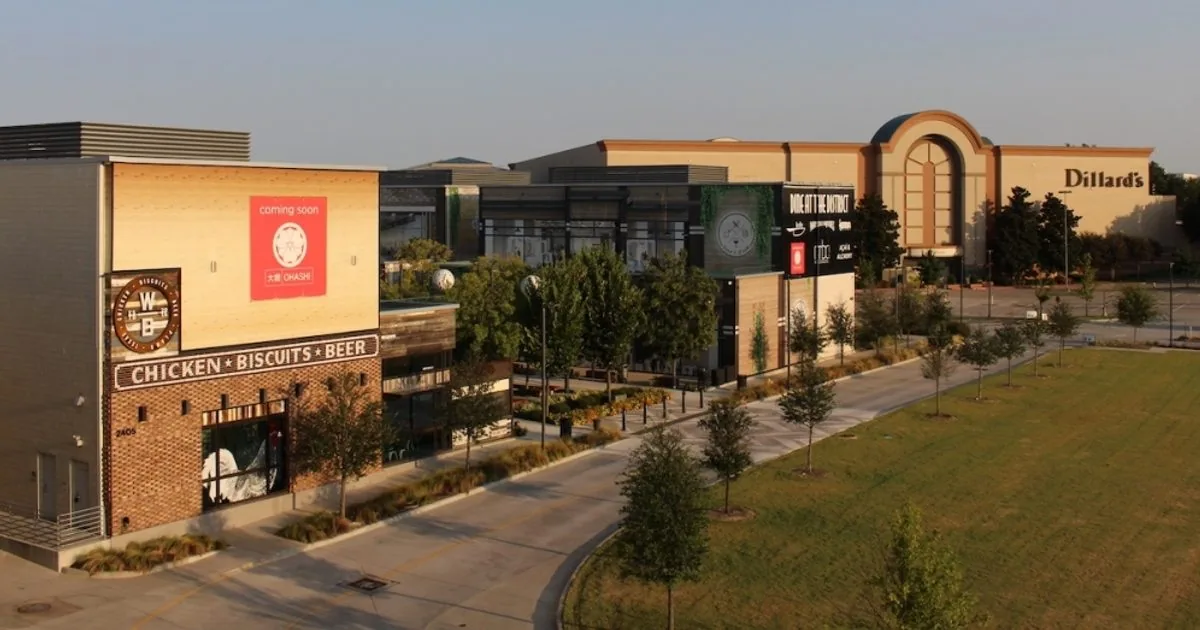
After the April 21, 2017 hailstorm, Plano car dealerships reported shattered glass and pockmarked vehicles on their lots. For a retail or restaurant group, each location's roof findings and store hours stay with that store's estimate. A storm report at one property does not tell us how much roof needs to come off at another.
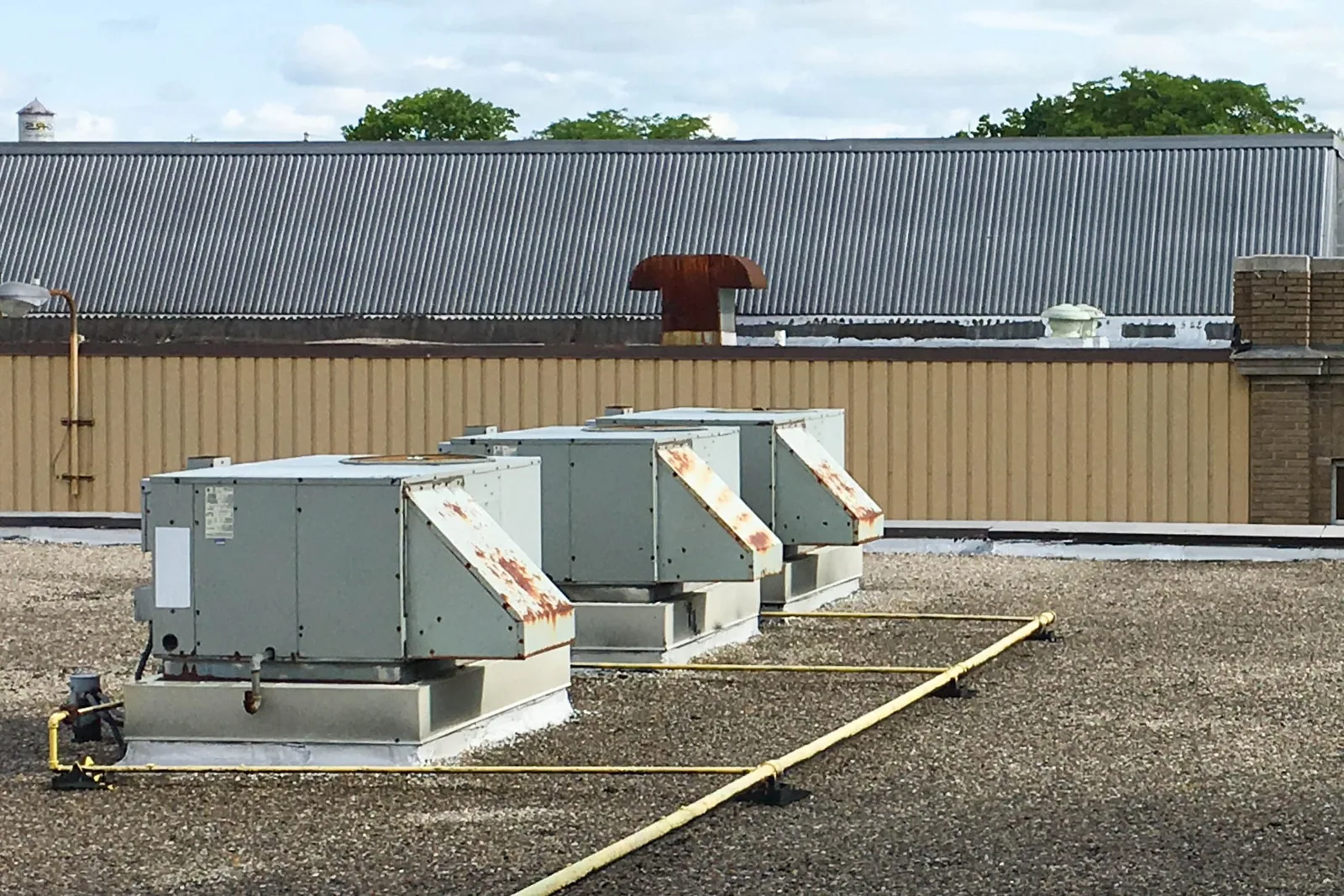
A leak around a kitchen exhaust fan or rooftop unit often means a store manager is juggling two contractors. The curb or fan base may need work from the HVAC or hood contractor before the roofer can flash it properly. A Plano group reviewing several stores needs that task tied to the right building and the right price. We inspect the roof we can reach and spell out the prep and finished flashing each repair needs. That way the manager can line up the other trade without assuming a routine service call left the curb ready for roofing.
Hilton Dallas/Plano Granite Park sits on Granite Parkway, and Plano Municipal Center is on K Avenue. We mention them as landmarks only; neither is a retail client or tells us anything about your roof. Each store's roof speaks for itself. With equipment curb and support work, we tie the membrane repair to whatever the equipment needs first.
Pinning the leak to a store and a spot
We log the store, the room and the spot on the roof or the piece of equipment involved. One corporate contact does not make leak reports at two stores interchangeable. Each finding stays next to its store and its proposed repair. The manager needs to find the actual detail behind every price, especially when a district manager approves the work or a separate vendor handles the equipment.
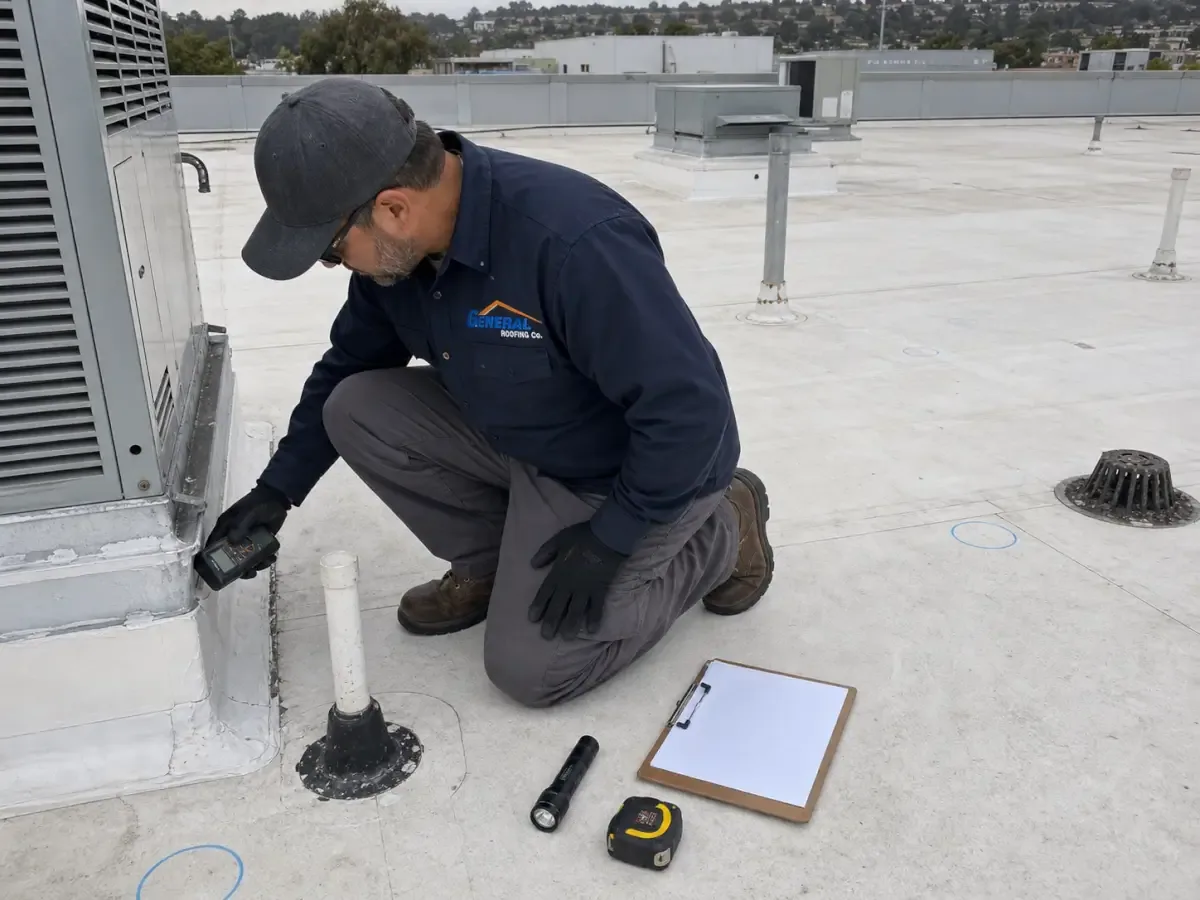
We check the membrane around the reported leak. Water dripping under a unit tells us where to look, but it does not prove where it got in or what shape the unit is in. Store staff accounts are kept apart from what we find on the visit. A commercial roof inspection notes what we could not reach and any further checks needed. The group gets a next step based on the flashing we actually looked at.
Where the roofer's job stops and the HVAC job starts
We state what the roof repair needs from the equipment, whether the unit stays or gets replaced. A curb may be too short, rusted through or out of level, and that may be a job for the HVAC or kitchen hood contractor before we start. The task list says who does it and in what order, so the manager can schedule them before the roof is cut open. A note that the unit was "serviced" does not mean the curb is ready to flash.
If equipment work is still pending, that stays visible. The roofing price says whether that earlier task is included or handled by someone else. A finished membrane patch should never suggest the HVAC contractor's work is done. The owner needs to see the order of work that gets the flashing permanently sealed, not a roofing price that quietly assumes something else is already fixed.
When a unit's support or a rusted curb looks suspect, we recommend the right person check it. Our notes cover the roof and flashing we could see. They are not a verdict on the unit, its frame or the structure under it, and we say how that check would change the roof repair.
The existing membrane decides the prep
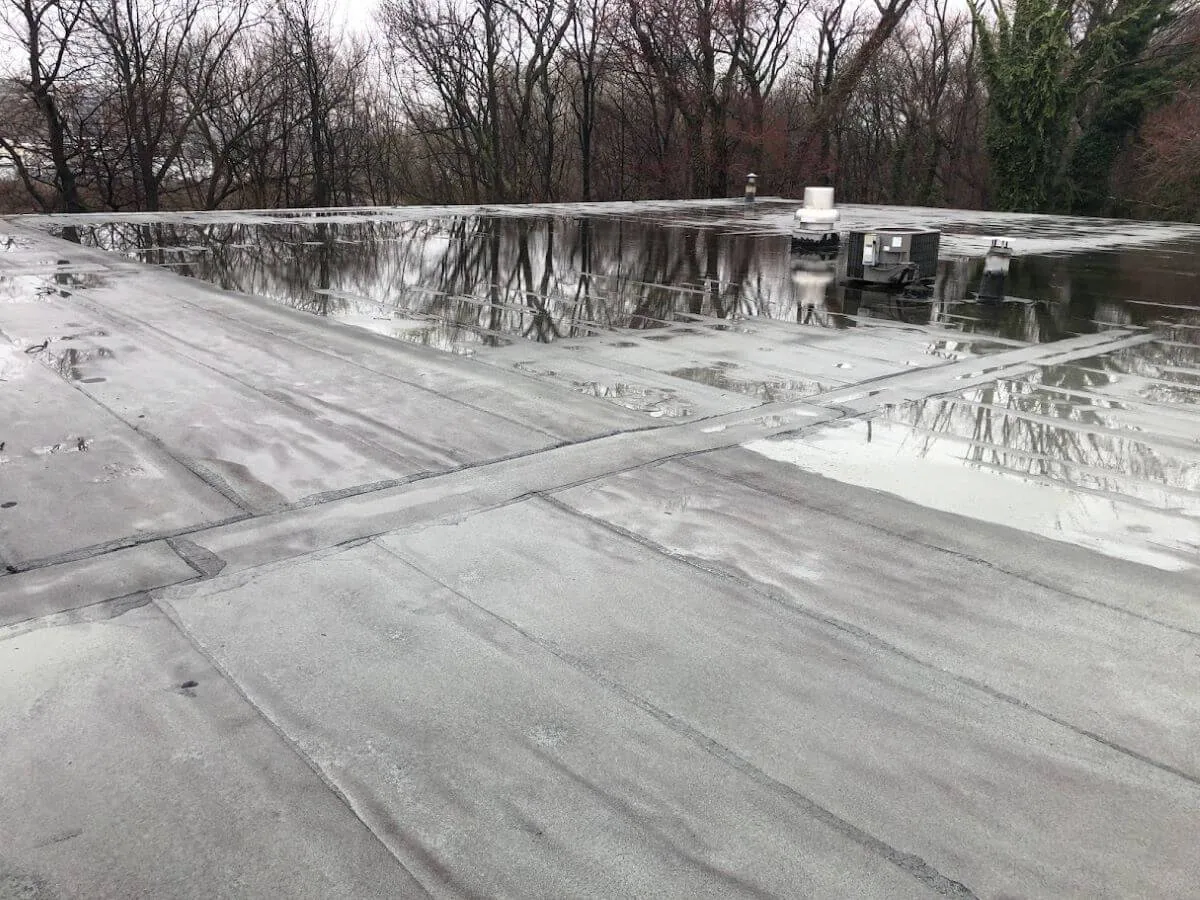
We confirm which membrane is on the roof and check its condition around the repair area. Cleaning and seaming have to match the roof that is there. Restaurants add a twist: grease blown out of kitchen exhaust fans can soften and break down some membranes around the fan, so the damaged area may be larger than the visible leak. Our commercial roof repair estimates list the prep behind the finished seal. A neat rectangle on a sketch does not make damaged membrane safe to seam to.
Where we need to know whether the insulation is wet, we mark the test spot and report the result. The tear-off and rebuild follow what that test shows. One core at a store does not speak for every hidden area on that roof. The manager can then compare a surface repair with a deeper rebuild based on what each actually needs.
Rebuilding insulation can change the height of the roof next to a unit or a drain. We check how that affects the flashing before picking the final detail. A curb that was tall enough for the old roof may need to be raised once new insulation goes in, and that goes in the scope.
Working around store hours
We confirm the access route, material staging and work area with the property manager or store operator. The manager handles tenant notices and store schedules through the building's normal process. We lay out how much roof we will open each day, how it will be protected and the order of equipment work. The store can then plan around deliveries, lunch rushes and customer entrances. Being a restaurant or retailer does not set a standard work window, and no two stores will take the same schedule.
Jobs around the Shops at Willow Bend follow the rules of the specific property. Being nearby does not give us access rights. We confirm the site contact and whether the equipment work is done before scheduling the permanent repair. The proposal lists those dependencies next to the price, so the manager is not surprised once the crew shows up.
With occupied-building reroofing, each phase needs a spot where the new roof can be properly tied off. A quiet stretch between store events is not, by itself, a good place to stop. We lay out where the roof can close and what the store needs to arrange, so the owner can pick a schedule that works.
Reviewing several stores side by side
We can compare repairs across stores while keeping each one's findings and trade tasks separate. One store's roof may have more good membrane to work with than another's. Each estimate states how deep the tear-off goes and what flashing you get. A group total is useful only when you can still read each store's line. It should not blend different roofs into one generic rooftop-equipment fix.
A multi-site roof program tracks which stores still need testing before their prices are final. A finished repair at one store is history for that store; it does not prove anything about what is under the membrane at another. The manager can schedule the right checks and compare results based on what each roof needs.
If tear-off turns up something new, like wet insulation past the original repair area, we photograph it and spell out how it changes the job before closing up. The revised price goes through the agreed approval route. The roof stays protected and the equipment work stays on the list while the decision is made, so the reviewer sees the reason behind any added cost.
Keeping each store's records separate
We photograph the prep under the new membrane and note where the new flashing went in, filed under that store. The record lists rebuilt layers, membrane kept and work still owed by other trades. The manager can see what the roofing repair fixed without assuming every equipment issue closed with it. Each other location keeps its own open questions.
Our pages on property management companies and general contractors cover how we work alongside those teams. Emergency roof protection is available on holidays, weekends and at night. A temporary patch is logged separately from the permanent repair it still needs. Future work starts from new findings, while the old record shows what was actually done.
Commercial Roofing Questions
What needs to be settled before we repair the roof around a kitchen fan or rooftop unit?
Whether the curb or fan base is sound and tall enough for proper flashing, and whether the HVAC or hood contractor has to do anything first. That task should be listed next to our roofing prep. A routine service visit does not mean the curb is ready.
How are leak reports from different stores kept straight in one review?
Each finding and price stays tied to its store and the spot on its roof. Differences in membrane condition, tear-off depth and equipment work are kept, because one store's roof tells you nothing about another's.
Who sets the work hours for a store or restaurant roof job?
The property manager or store operator, based on store hours, deliveries and tenant rules. We lay out how much roof we will open and the order of equipment work so they can review it. Being a restaurant or retailer does not come with a standard work window.
How can rebuilding the insulation affect a repair around equipment?
New insulation can raise the roof surface next to the curb, leaving too little curb height for proper flashing. We check that before choosing the detail, and the equipment contractor may need to raise the curb first.
What records should a store keep after a roof repair?
Photos of the prep and the finished flashing, filed under that store, along with the roofing work completed and anything other trades still owe. Other stores keep their own inspection notes and next steps.
Ask for a store roof inspection
Book a roof inspection for your Plano store or restaurant. We will check the roof around your exhaust fans and rooftop units, sort out what the HVAC or hood contractor needs to do and price a repair that seals properly.
Request a Roof Assessment in Plano
Tell us about the building, the roof and what you are seeing. Send a request or call 555-555-5555.