
Commercial Roof Repair in Irving
Home / Service Areas / Irving
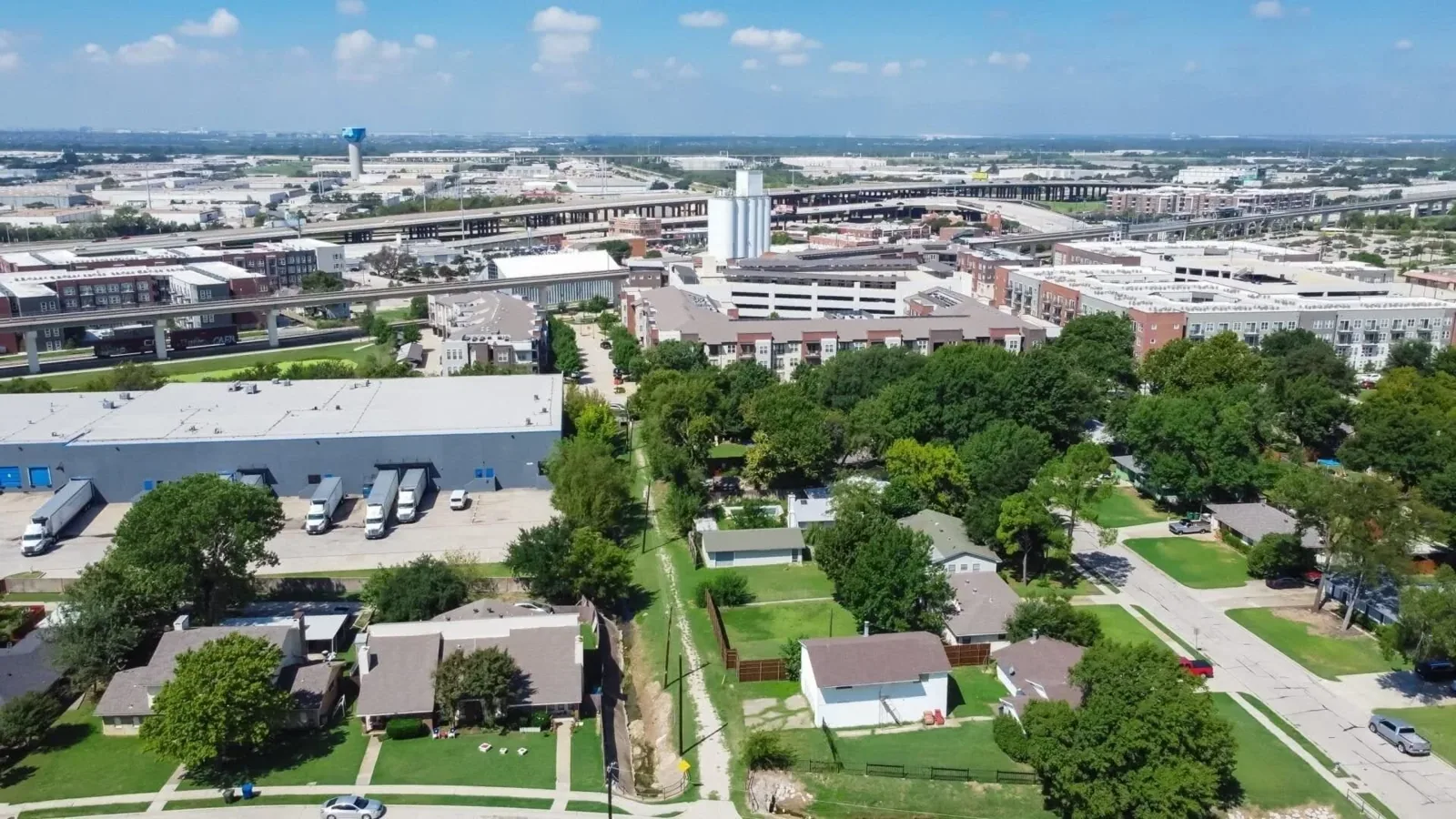
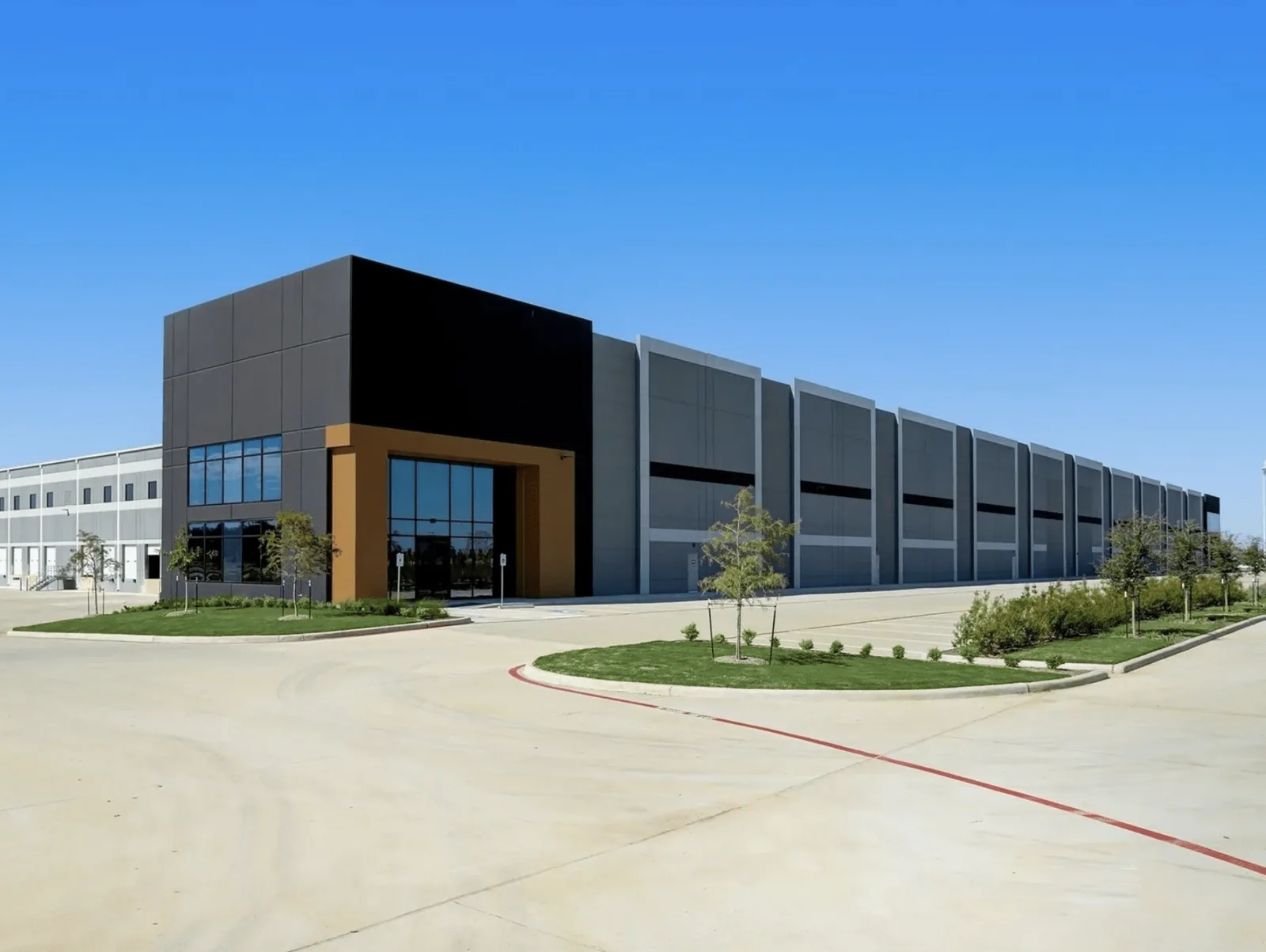
Irving has a large stock of warehouses, distribution buildings and office campuses, many with big flat roofs and busy grounds. On these properties, the roofing work is often the easy part. Getting rolls of membrane, insulation and equipment onto the roof without blocking trucks, tenants or fire lanes takes real planning. We work that out with you before the crew arrives, so the repair goes smoothly and nobody is surprised by a lift parked in front of a dock door.
We also serve Farmers Branch and Carrollton. On every job, we price the repair together with the access and staging it needs, so the number you approve is the number you pay.
Plan how materials reach the roof
On a warehouse roof, the route matters as much as the repair. We look at where a lift or hoist can set up, which parts of the lot have to stay clear for trucks and how far materials have to travel across the roof. A repair on the far side of a very large roof means a lot of carrying, and that time is part of the price.
We spread loads out on the roof rather than stacking heavy materials in one spot, and we keep them away from skylights and roof edges. We also plan how debris comes down, whether by chute into a dumpster or bagged and lowered by lift, so nothing drops near people or vehicles.
All of this goes into a short site plan we review with your facility manager. If the only workable window is early morning or a weekend, we say so before you approve the job.
Pin down the repair on a big roof
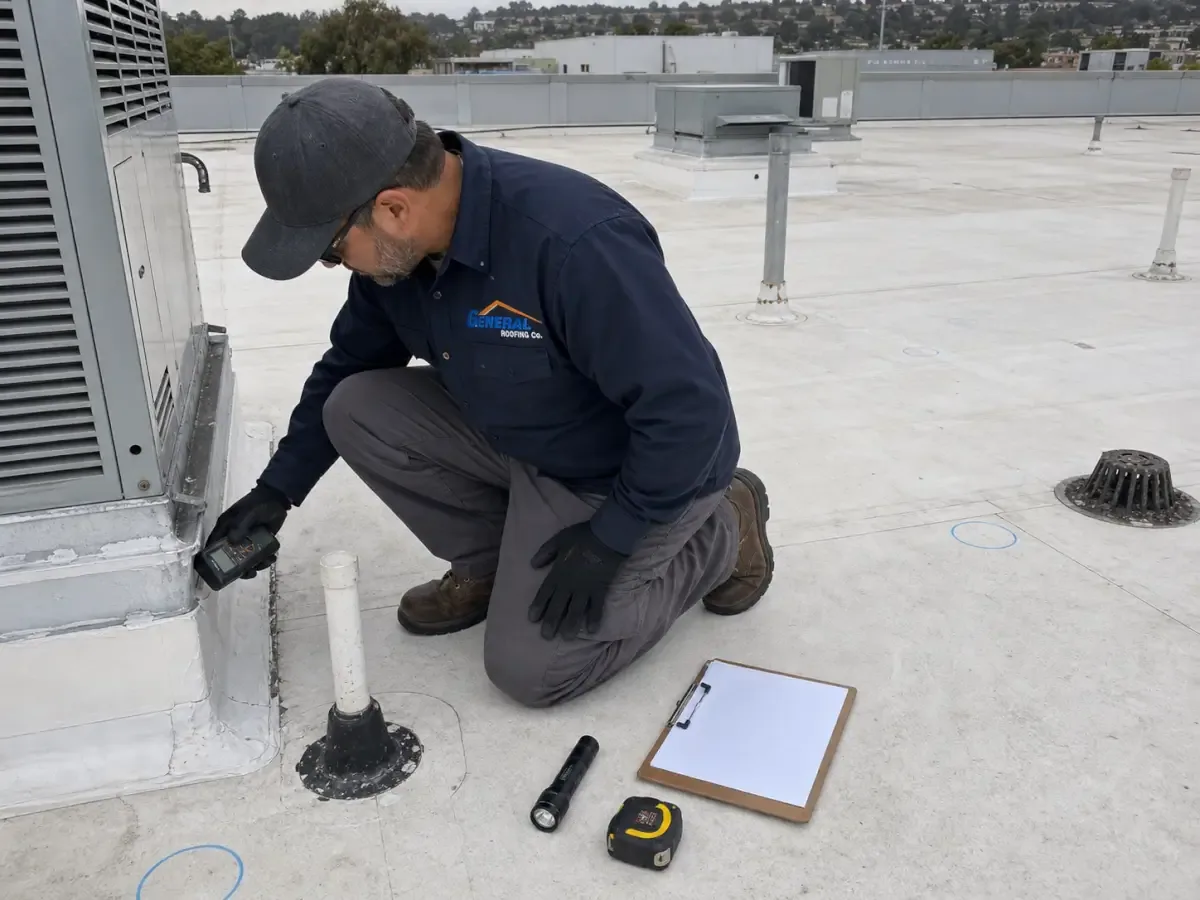
On a large roof, finding the right spot is half the work. Interior leak reports usually give a column line or a rack number, and we use that to narrow down the area above. From there, we check seams, fasteners, penetrations, drains and curbs until we find the likely source.
A commercial roof inspection on a big building should tie every finding to a location you can find again, by grid line, nearby equipment or a marked roof plan. We photograph each repair spot and mark it on a simple roof sketch so your team can match it to the interior.
If we find several problem areas spread across the roof, we tell you whether they look like isolated failures or a sign that the whole roof is wearing out. That is the information you need to decide between a few repairs and a larger, phased project.
Where the source is not obvious, we say what we ruled out and what the next step should be, such as a water test or an infrared scan after dark, rather than patching a guess.
Choose how the new material ties in
Many Irving warehouses have single-ply roofs. On a PVC roof, we confirm the membrane, check its condition and clean it before welding. Older PVC can get stiff and dirty, especially near exhaust fans, and it may not take a weld well. We test a small area first so the repair does not fail at the seam.
Before the new material goes on, we deal with what is under and around the repair: wet insulation, loose fasteners, open seams nearby. If insulation is wet, it comes out and new board goes in. If a fastener has backed out and pushed through the sheet, we reset or replace it and cover it properly.
Once the base is sound, we install the new PVC, weld it to the cleaned existing sheet and probe every seam once it cools. Flashings at curbs and walls get the same treatment. The goal is a repair that blends into the existing roof and lasts as long as the rest of it.
Compare the work and the logistics
For larger repairs, we often give two options: fix the problem areas now, or tackle a larger section in phases over time. Each option has its own access and staging needs. A small repair might use a single ladder point. A phased project might need a lift for several weeks and a dedicated staging area.
In roof capital planning, we lay out each option's scope, schedule, access needs and assumptions side by side. We note which conditions still need confirming, like the extent of wet insulation, and how that might change the price.
That lets your finance team compare real costs instead of rough numbers. It also helps operations plan ahead, since a phased project means the roofing crew will be on site at regular intervals and will need the same access each time.
Leave the roof secure at the end of each stage
On jobs that run more than a day, we close up the work area at the end of each shift. Open roof areas get temporary protection, loose materials are tied down or brought down and the access point is secured.
Before leaving, the crew lead tells your site contact what was finished, what is temporarily protected and what comes next. If the job is paused, for example while waiting on a mechanical contractor or a material delivery, we leave a short written note with the same information.
We also give your team a number to call if something goes wrong between visits. If a storm comes through and a temporary patch fails, we come back.
At the end of the project, you get a report with every repair location marked on the roof sketch, photos of the damage and finished work and notes on any hidden conditions we found. Areas we noticed but did not touch are listed separately for your next budget cycle.
Temporary materials, tarps and sandbags come off the roof before we call the job complete. Nothing should be left for your team to find months later.
Commercial Roofing Questions
What should we agree on about getting materials to the roof?
Where the lift or hoist sets up, which lanes and docks stay clear, where materials sit on the roof, how debris comes down and what hours work best. We put it in a short site plan before the job starts.
How is a phased plan different from a local repair?
A local repair fixes specific problem areas now. A phased plan tackles larger sections over time, with its own access needs and schedule. We price both so you can compare.
How do you make sure the new material bonds to the old roof?
We identify the membrane, clean it, replace any wet insulation and test a weld or bond on the existing sheet before installing the repair.
What if you find more damage once the roof is opened?
We photograph it, explain the extra work and the cost, and get your approval before continuing. Temporary protection keeps the area dry while you decide.
What should I hear from the crew at the end of each day?
What was finished, what is temporarily protected, what comes next and who to call if weather hits before the crew returns.
Plan your Irving roof repair
Tell us about the building, the leaks and your site logistics. We will plan access and staging with you and give you a clear price for the repair.

Request a Roof Assessment in Plano
Tell us about the building, the roof and what you are seeing. Send a request or call 555-555-5555.