
Commercial Roof Repair in Prosper
Home / Service Areas / Prosper
Prosper is still building out fast, and much of its commercial space is new: shopping centers along US 380 and the Dallas North Tollway, medical offices, schools and churches. New roofs need less work than old ones, but they still need regular attention. Debris clogs drains, sealant pockets dry out, new tenants add equipment and contractors walk across the roof without walk pads. Catching those issues early is far cheaper than fixing a leak later.
We also serve Frisco and Celina. Whether your roof is two years old or twenty, we tell you what needs routine care and what needs real repair.
North Texas weather is hard on roofs of any age. Summer heat bakes the membrane, spring storms bring hail and wind, and the occasional hard freeze can split weak seams and flashing. A twice-a-year check, usually in spring and fall, plus a look after any major storm, keeps small problems from becoming leaks.
Sort maintenance items from repairs
During a maintenance visit, we usually find two kinds of items. Some are routine: clearing drains, removing debris, resealing a pitch pocket, tightening a loose termination bar. Others are actual repairs: an open seam, a puncture, a flashing that has pulled away.
With preventive roof maintenance, we keep these separate in our report. Routine items are handled during the visit as part of the maintenance plan. Repairs are listed individually, with their location, a photo and a price, so you can approve them.
This matters for budgeting. Routine maintenance is a predictable yearly cost. Repairs come up as needed, and seeing them separately helps you spot trends, like a seam that keeps opening or an area where water keeps ponding.
It also matters for warranties. Many manufacturer warranties require regular maintenance and prompt repairs. A clear record of both helps keep the warranty in good standing.
For newer buildings, we also check that the original installer's warranty paperwork is on file and note any repairs the warranty may require the manufacturer to approve.
Specify the right repair material
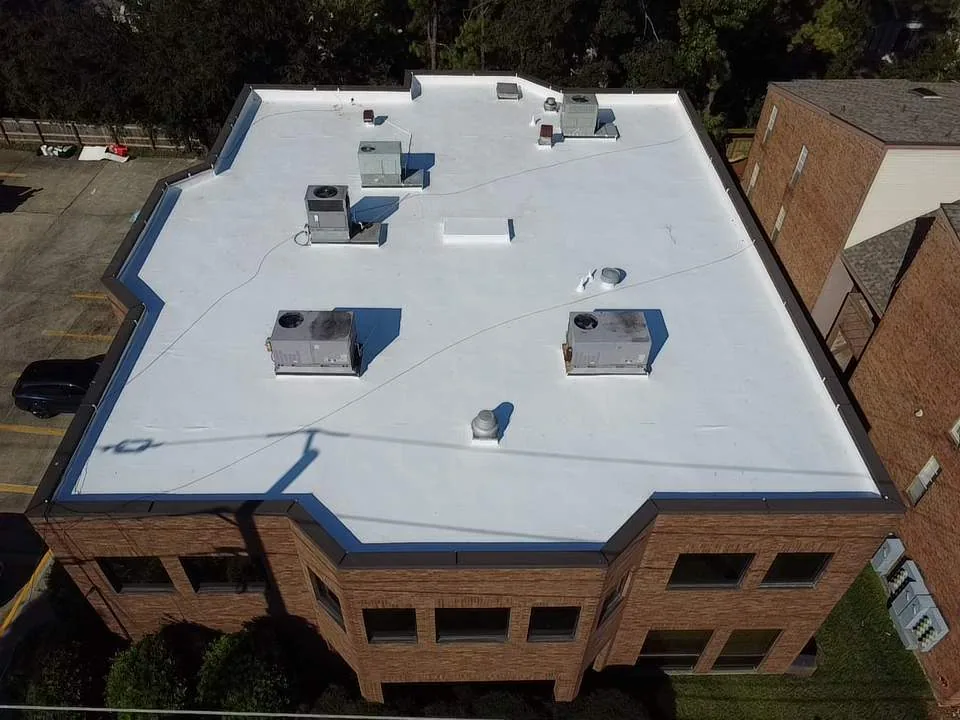
When a repair is needed, we specify materials that match the roof. On an EPDM roof, that means EPDM primer, seam tape, cover strips and flashing. We clean the existing rubber thoroughly, prime it and roll every seam.
Before patching, we check the area around the damage. If the rubber is shrinking, cracking or pulling away from the edges, a small patch may not hold. We extend the repair to sound material and tell you why.
We also look for old patches. A previous contractor may have used a product that does not belong on EPDM. Patches made with the wrong product come off before the new material goes on.
If the damage came from foot traffic, a dropped tool or an equipment install, we note the cause. Walk pads, better contractor rules or a quick review of new installs can prevent the same damage from happening again.
Check the layers before covering them
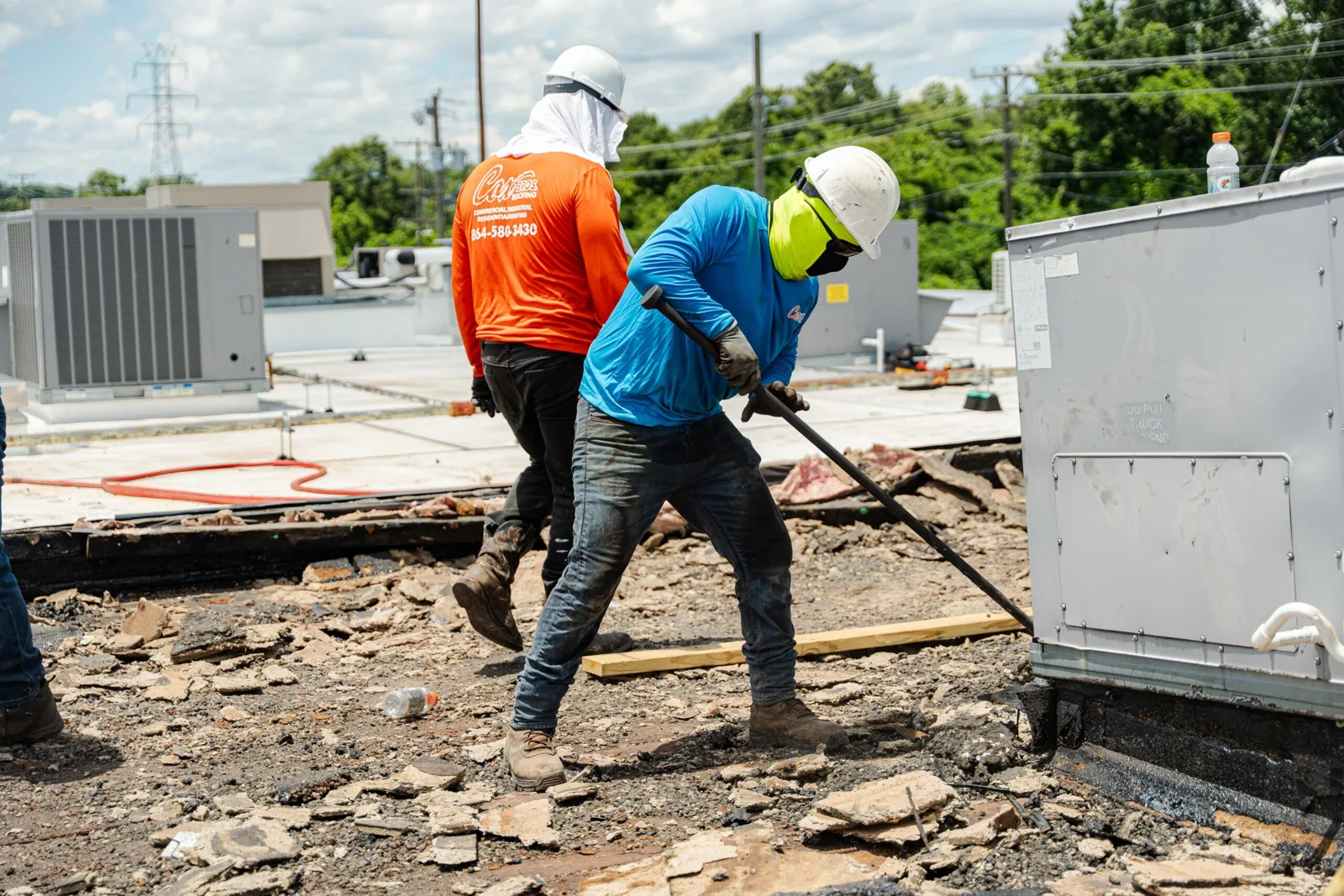
No repair gets closed until we have looked under it. A puncture or open seam may have let water into the insulation. We cut a small test opening and look. Wet insulation gets replaced before the new membrane goes down.
If wet areas look bigger than the repair, a roof condition report or infrared scan can map how far the moisture has spread. On newer roofs, catching wet insulation early can save the rest of the roof and help with any warranty claim.
Where the deck is visible, we look at it too. Metal deck can rust if water sits on it for long. If the deck is damaged, we pause and go over it with you.
All of this is photographed before it is covered. Once the new membrane is down, those photos are the only record of what was underneath.
Arrange access to the roof
Retail centers in Prosper often have several tenants, each with their own hours and rules. On a shopping center roof, we ask your property manager about tenant notifications, delivery times and any areas that need extra care, such as a restaurant kitchen with exhaust fans or a store with high-value inventory under the roof.
We agree on where the crew parks, where the ladder or lift goes and where materials are staged. On busy days, we keep the work away from storefronts and customer parking.
Some tenants have their own rooftop equipment and service contractors. If a repair involves their equipment, we coordinate with them through your property manager.
We also confirm who on site we report to at the end of each visit.
If your building has a security system or alarmed roof hatch, we arrange access in advance so nobody triggers an alarm.
Use the findings after the work
After each visit, you get a report: routine maintenance completed, repairs found and made, hidden damage we fixed and photos of each item. Each repair is tied to a location on a simple roof plan.
Over several visits, these reports show how your roof is aging. You can see whether the same areas keep needing repairs, whether drains are clogging more often and whether new equipment is causing problems. That helps you plan budgets and decide when to think about bigger work.
If you ever need to file a warranty claim, sell the building or bring in another contractor, these records show exactly what was done and when.
We also list any concerns we noticed but did not address, with our recommendation for when to deal with them.
Owners who keep up with maintenance usually spend less on roofs over the long run. These reports are how you prove you did.
Commercial Roofing Questions
How do you separate maintenance from repairs?
Routine items like clearing drains and resealing pitch pockets are handled during the visit. Actual repairs are listed individually with location, photo and price for your approval.
What makes a patch area suitable for repair?
Clean, sound membrane around the damage. If the material is shrinking or cracking, we extend the repair to sound material. Incompatible old patches are removed.
Why check insulation or deck during a repair?
Because a puncture or open seam can let water in. Wet insulation is replaced, and deck damage is shown to you before anything is covered.
What should we tell you about the building before work?
Tenant hours and notification rules, delivery times, sensitive areas under the roof and any tenant-owned equipment we might work near.
How do the reports help later?
They show how the roof is aging, support warranty claims and give future contractors or buyers a clear record of what was done.
Keep your Prosper roof in good shape
Tell us about the building and its roof. We will set up a maintenance plan, separate routine items from repairs and give you clear records.


Request a Roof Assessment in Plano
Tell us about the building, the roof and what you are seeing. Send a request or call 555-555-5555.