
Commercial Roof Repair in East Plano Parkway Industrial
Home / Service Areas / East Plano Parkway Industrial
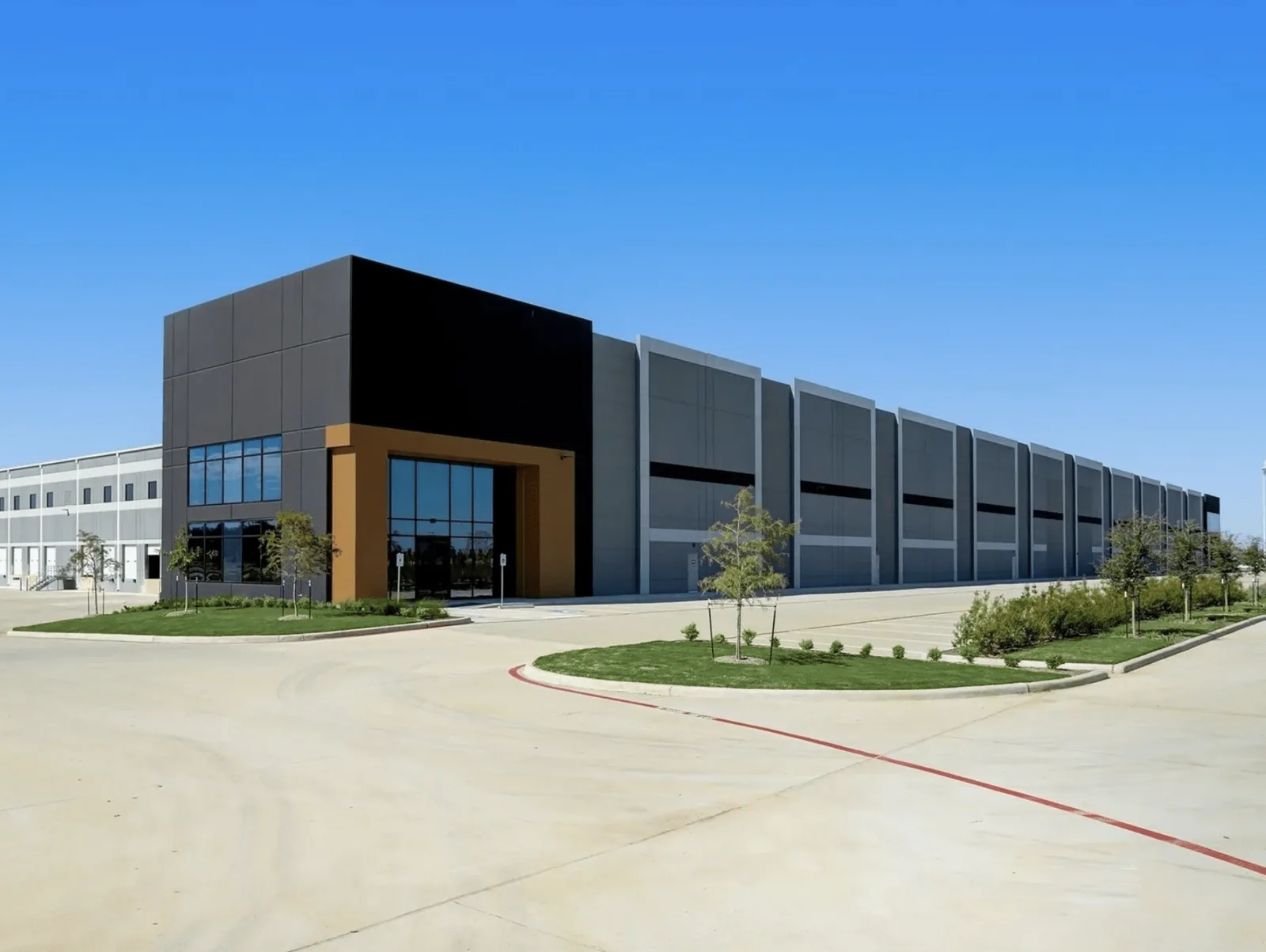
The industrial buildings along East Plano Parkway mostly run on tight schedules. Trucks arrive and leave all day, docks stay busy and nobody wants a roofing crew blocking a bay or dropping debris near forklifts. When a warehouse roof leaks here, the repair has to fit around the operation. We plan the work footprint first: where we stage, how we get on the roof and which hours we can work without slowing shipping.
We also handle commercial roofing in Garland and Allen. Whether it is a small leak over a rack row or a section of failing membrane over a production area, we give you a clear scope and price based on what we see on the roof, not on assumptions.
Plan around the loading docks
Before materials arrive, we sit down with the facility or operations manager. Which doors and docks must stay open? Where can a lift or a material hoist set up without blocking trucks? Are there hours when the yard is quieter? Industrial sites have their own safety rules, and we follow them, including sign-in, PPE and keeping clear of active traffic lanes.
On a warehouse roof, staging matters. Rolls of membrane, insulation boards and fastener buckets are heavy. We agree on where they sit on the roof so the load is spread out and away from skylights. We also agree on how debris comes down, whether by chute into a dumpster or by lift, so nothing falls into a work zone.
All of this is written into the plan. If the work has to happen overnight or on a weekend, the proposal says so and the price reflects it. You should never be surprised by a crew asking to block a dock on the morning of the job.
Find where the water is really coming from
A leak report from the floor usually points to wet racking, a stain on the deck or a puddle near a column. That tells us where to start, not where the hole is. Water on metal deck roofs can run several feet along the flutes before it drips. We trace it from above, checking seams, fasteners, penetrations and drains near the reported area.
When we find the source, we tie it to a commercial roof leak repair with a specific location and fix. If we cannot confirm it, we say so and recommend the next step, such as a water test or an infrared scan, instead of patching something that might not be the cause.
Warehouses often have several leaks at once. We number and photograph each one so your team can match them to the spots inside. If one turns out to be a roof-drain or plumbing issue rather than the membrane, we tell you so the right trade fixes it.
Compare a quick fix with a phased plan
Industrial owners usually want to know whether to keep patching or plan something bigger. We give both options in plain terms. A local repair fixes the active leaks and buys time. A phased plan might address the worst sections first, then the rest over the next few budget years.
For roof capital planning, we show what each phase includes, the work area, how long it will tie up the roof and the docks below, and what conditions we still need to confirm. Core cuts or a moisture survey may be needed before we can say how much insulation is wet and how much of the roof can stay.
We keep the two options separate so neither is padded. The repair price is not inflated to make replacement look better, and the replacement price does not hide prep work that will show up later as a change order.
Build a repair that bonds to the roof
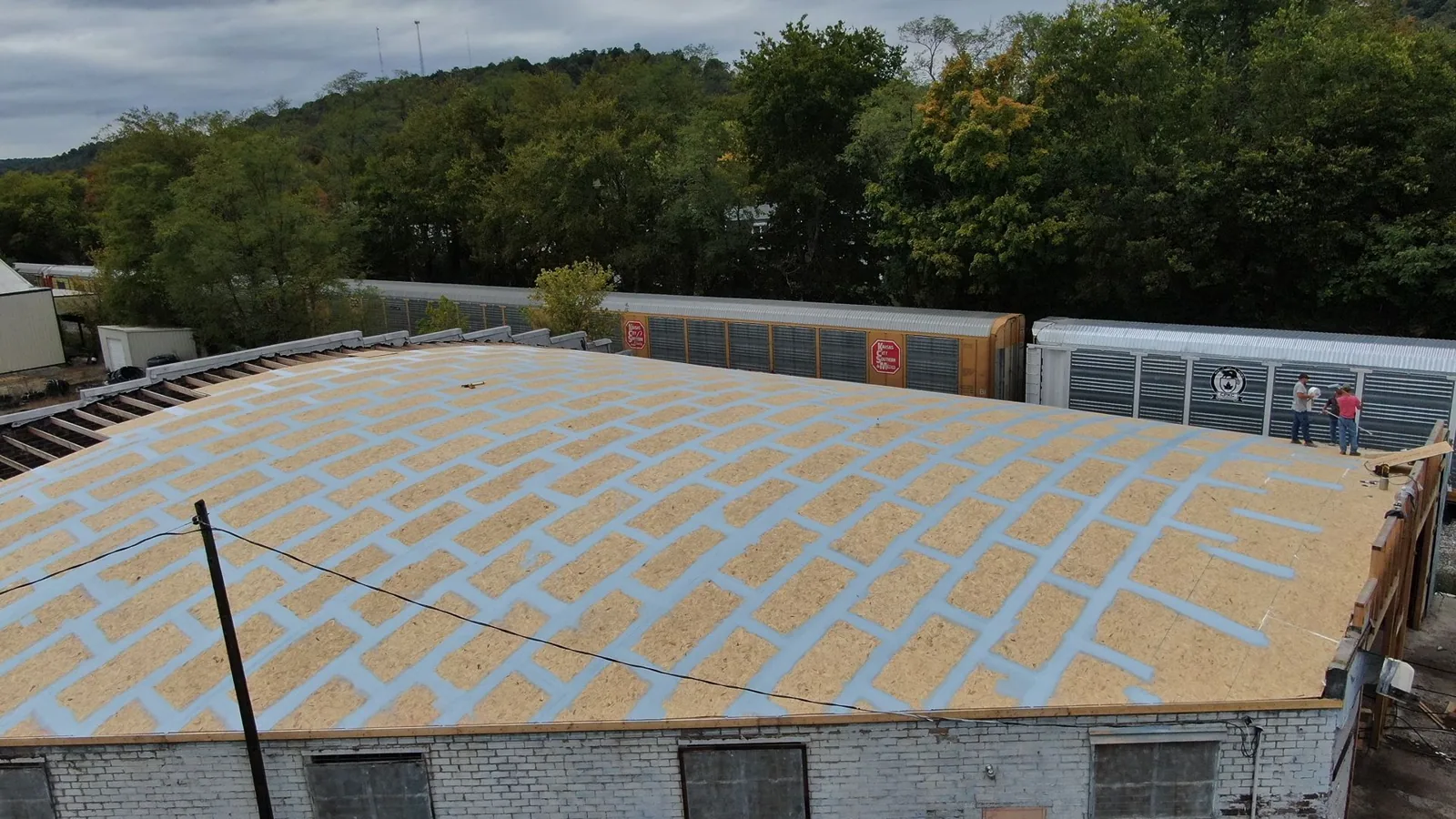
Many buildings in this corridor have single-ply roofs. For a PVC roof, we confirm the membrane type, clean it thoroughly and hot-air weld the patch or new flashing. PVC that has picked up oil or chemical exhaust from rooftop vents needs extra cleaning, and badly aged sheet may not weld well; we test-weld before committing.
Before any surface prep, we fix what the repair depends on. That includes open seams next to the patch, loose fasteners pushing up through the membrane and wet insulation underneath. Covering those with a new layer would trap moisture and the repair would fail early.
If we find damaged deck, such as rusted metal around an old drain, we stop and show you. Deck replacement is a different scope and often involves the building owner or structural input. We will not hide it under new membrane, and the work only moves forward once you approve it.
Leaving the work area at the end of each stage
On multi-day jobs, we leave the roof secure at the end of each shift. Open areas get temporary protection, loose materials are tied down or brought down, and the roof hatch or access point is closed. We tell your site contact what is finished, what is temporary and what comes next.
If a job pauses, for example waiting for a mechanical contractor to move a unit, we write a short handover note: which area is protected, what still needs doing and who to call if a storm hits before we return. Your team should never have to guess whether a section is watertight.
At the end of the job, you get photos of every repair location, the hidden conditions we found and the finished work. If any leaks were traced to non-roof sources, the report says so.
We also note any areas that look like they will need attention soon. That information helps your next budget meeting more than a vague warning that the roof is getting old.
Commercial Roofing Questions
What should be settled before roofing materials arrive at an industrial site?
Which docks and doors stay open, where the lift or hoist can set up, safe work hours, debris removal and the site's safety rules. We agree on all of this with the operations manager before the crew shows up.
How do a small repair and a phased plan compare?
A repair fixes the active leaks and buys time. A phased plan tackles the worst sections first and spreads the cost over several budget years. We price both separately so you can see what each one buys.
Does a leak inside the building tell you where the roof failed?
Not by itself. Water can travel along metal deck before it drips. We start above the reported area and trace it to the actual entry point before pricing the fix.
What has to be fixed before the roof surface is prepared?
Open seams near the repair, backed-out fasteners and wet insulation. If those are left in place, a new patch on top will fail early.
What should I hear from the crew at the end of each stage?
What is finished, what is temporary, which area is protected and what happens next, plus who to call if the weather turns before the crew returns.
Plan your East Plano Parkway roof repair
Tell us about the building, the leaks and your dock schedule. We will plan the work around your operation and give you a clear repair price and, if useful, a phased option.
Request a Roof Assessment in Plano
Tell us about the building, the roof and what you are seeing. Send a request or call 555-555-5555.