
Commercial Roof Repair in Wylie
Home / Service Areas / Wylie
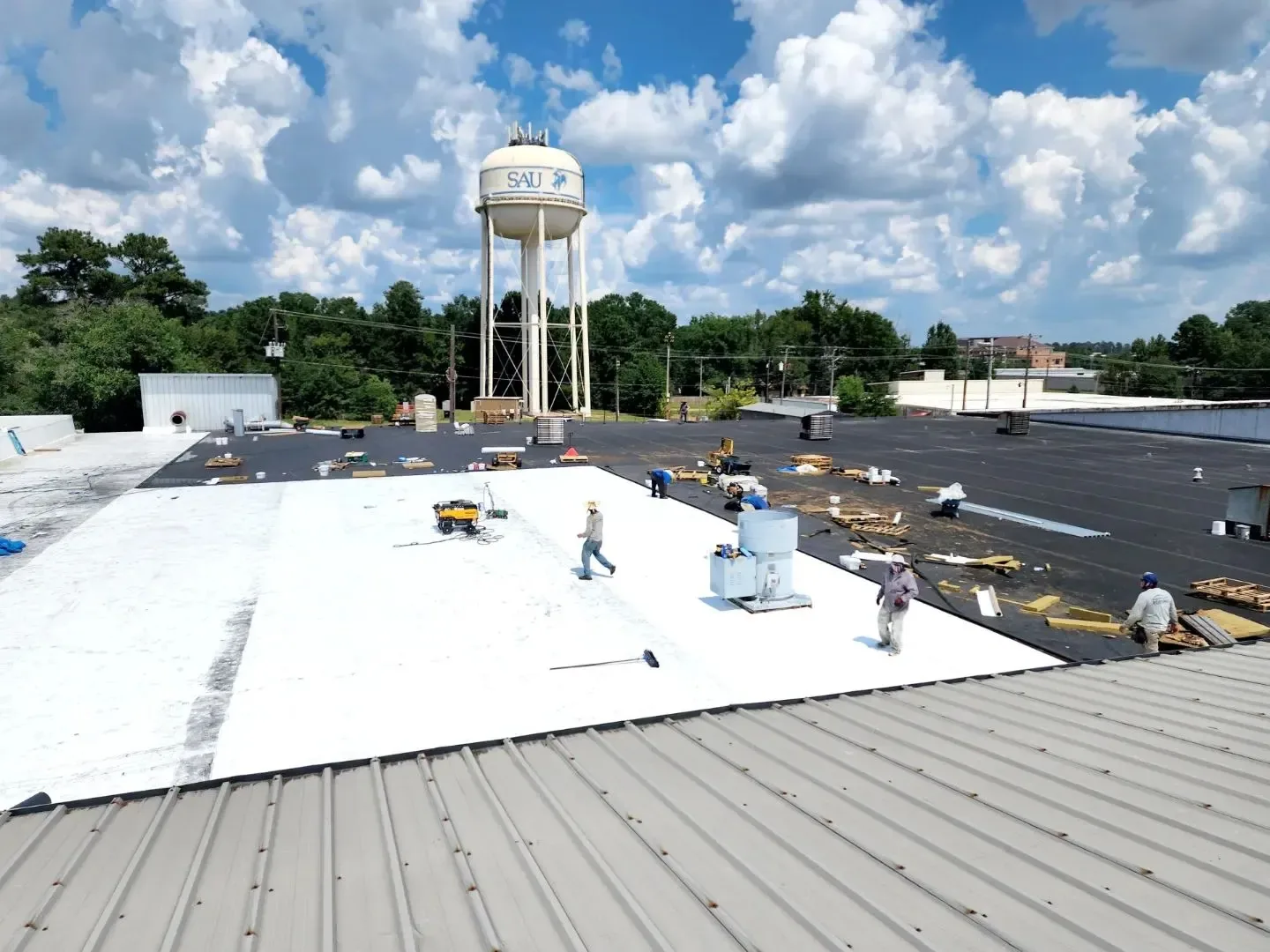
Wylie knows hail. The April 2016 storms that hit North Texas struck Wylie especially hard, and many commercial and public buildings here have had roofs repaired or replaced since. Owners and managers in Wylie, from private landlords to city and school facilities staff, often need a roofing scope that several people can review: the facilities team, a finance office, a board or an insurance adjuster. That means the scope has to be clear enough that someone who has never been on the roof can understand it.
We also work in Sachse and Murphy. We write every scope in plain terms, with locations, photos and a clear list of what is included.
Write a scope anyone can review
A good repair scope answers simple questions. Where is the problem? What caused it? What will be removed and replaced? What is assumed? What could change the price?
When we prepare a roof condition report or a repair proposal, every item is tied to a location on a roof sketch, with a photo and a short description. A reviewer can look at item three, see the photo of a split curb flashing and read what we plan to do about it.
We also note what we did not check. If an area was not accessible or the insulation was not tested, we say so. That keeps reviewers from assuming more was inspected than actually was.
If several reviewers will look at the scope, we are happy to walk any of them through it on a call or on the roof.
We keep the language plain on purpose. Terms like "base flashing" or "termination bar" get a short explanation the first time they appear, so a board member or finance officer can follow along.
Describe the repair in plain field terms
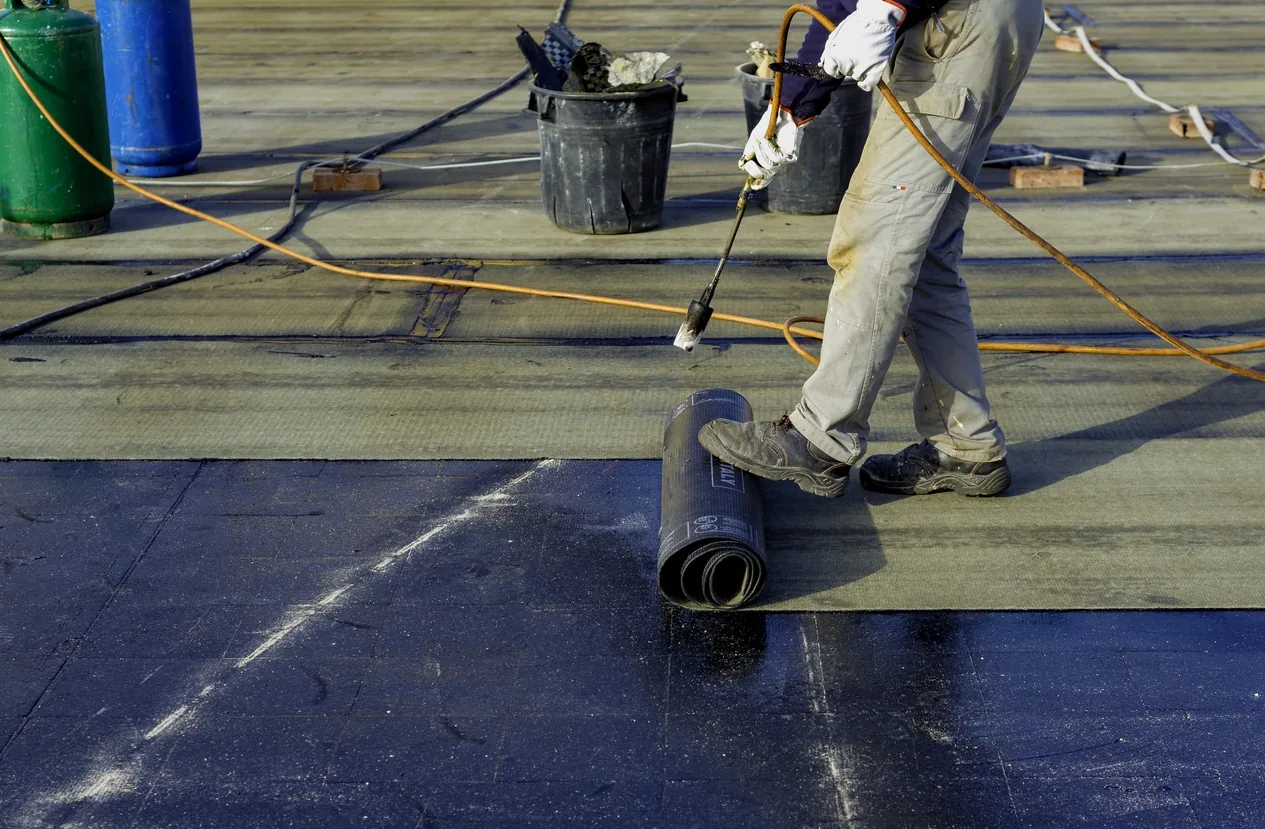
Repairs are described in terms a facility manager can follow. On a TPO roof, a typical flashing repair reads something like this: remove the failed flashing at the curb, check and replace wet insulation, clean the existing TPO, weld new TPO flashing with reinforced corners and probe all welds.
We include nearby repairs that the main repair depends on. If the seam next to a failed flashing is also opening, it goes in the scope, because a new flashing tied into a failing seam will leak again. We explain that link in plain terms.
If incompatible patches from earlier repairs are in the way, removing them is listed as part of the work.
This level of detail helps reviewers understand why the repair costs what it does, and it gives the crew a clear plan to follow.
Keep hidden work in the price
Some of the most important work in a repair happens under the membrane, where nobody can see it once the job is done. Wet insulation, rotted wood blocking and damaged deck all need attention before the new membrane goes on.
During a commercial roof inspection, we cut test openings to check for these conditions. If we find them, they go into the price with photos. If we cannot check until the roof is opened, the proposal explains how surprises will be handled: we stop, photograph the condition, give a revised price and wait for approval.
All hidden work is photographed before it is covered. Those photos become part of the final report, so reviewers can see that the work was actually done.
This is especially important for public buildings and anything paid for with an insurance settlement, where someone will ask to see what the money paid for.
Where test openings are cut, we patch them properly the same day so they never become leaks of their own.
Route decisions to the right people
On government buildings and other public facilities, decisions often go through more than one person. A facilities manager may approve the scope, a finance office may approve the money and a building manager may control access. We ask up front who decides what.
When a scope change or access question comes up, we send it to the right person with photos and a clear description. We keep the roof protected while a decision is pending and tell the facility how long temporary protection can safely stay.
Public buildings also tend to have specific contractor requirements: background checks, insurance certificates, badging or restricted work hours. We get those requirements early so they do not hold up the job.
We also confirm who our daily contact on site will be.
Give everyone the same final report
When the job is done, everyone who reviewed the scope gets the same report. It shows each repair location, the problem, any hidden damage we found and fixed, the finished work and photos of each stage.
If the scope changed, the report shows the original item, the change, the reason and the approval. Finance offices and auditors appreciate being able to trace every dollar to a finding.
Open items, such as an area that still needs a moisture test or a pending decision on another section of roof, are listed separately with their locations.
We also note other areas we noticed but did not touch. Those notes help facility teams plan next year's maintenance and budget.
Put the report in the building file. After the next hailstorm, it will make it much easier to tell old repairs from new damage.
If a repair we made ever leaks, call us and we will check it.
Commercial Roofing Questions
What should a reviewer be able to see in a repair scope?
Each repair's location, a photo, what will be removed and installed, what is assumed and what could change the price. Areas not inspected are listed too.
Why include nearby repairs in the scope?
Because the main repair depends on them. A new flashing tied into a failing seam will leak again, so the seam goes in the scope with an explanation.
How is hidden work kept on record?
It is photographed before it is covered, and the photos go into the final report so reviewers can see the work was done.
Who should hear about a scope change or access question?
Whoever your organization names as the decision-maker for that item. We confirm this up front and send changes with photos and a clear description.
What should the final report include?
Each repair location, the problem, hidden damage found and fixed, finished work with photos, any approved changes and open items.
Get a Wylie roof scope that is easy to review
Tell us about the building and who needs to review the work. We will inspect the roof and write a clear scope with locations, photos and prices.
Request a Roof Assessment in Plano
Tell us about the building, the roof and what you are seeing. Send a request or call 555-555-5555.