
Commercial Roof Repair in Melissa
Home / Service Areas / Melissa
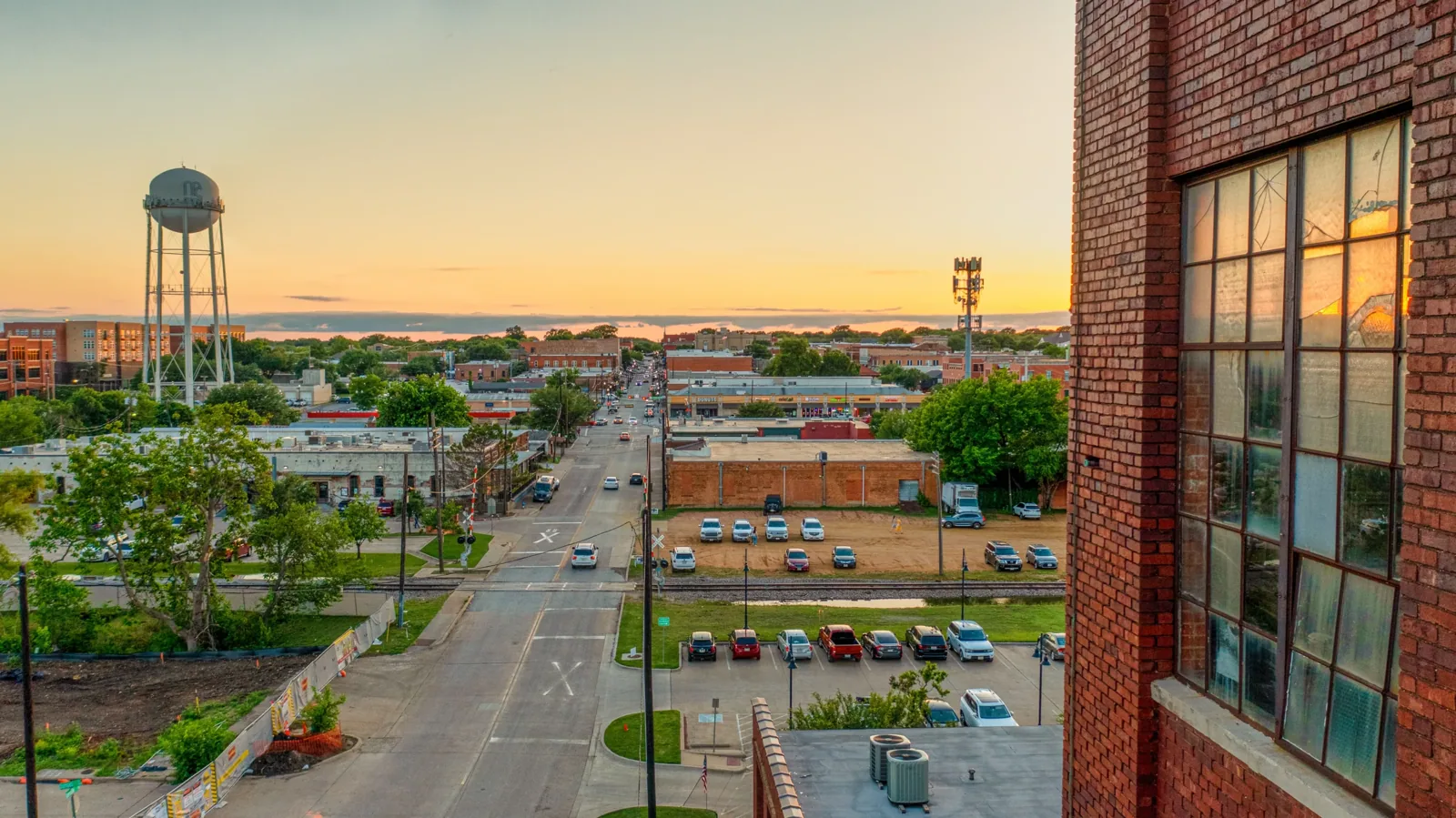
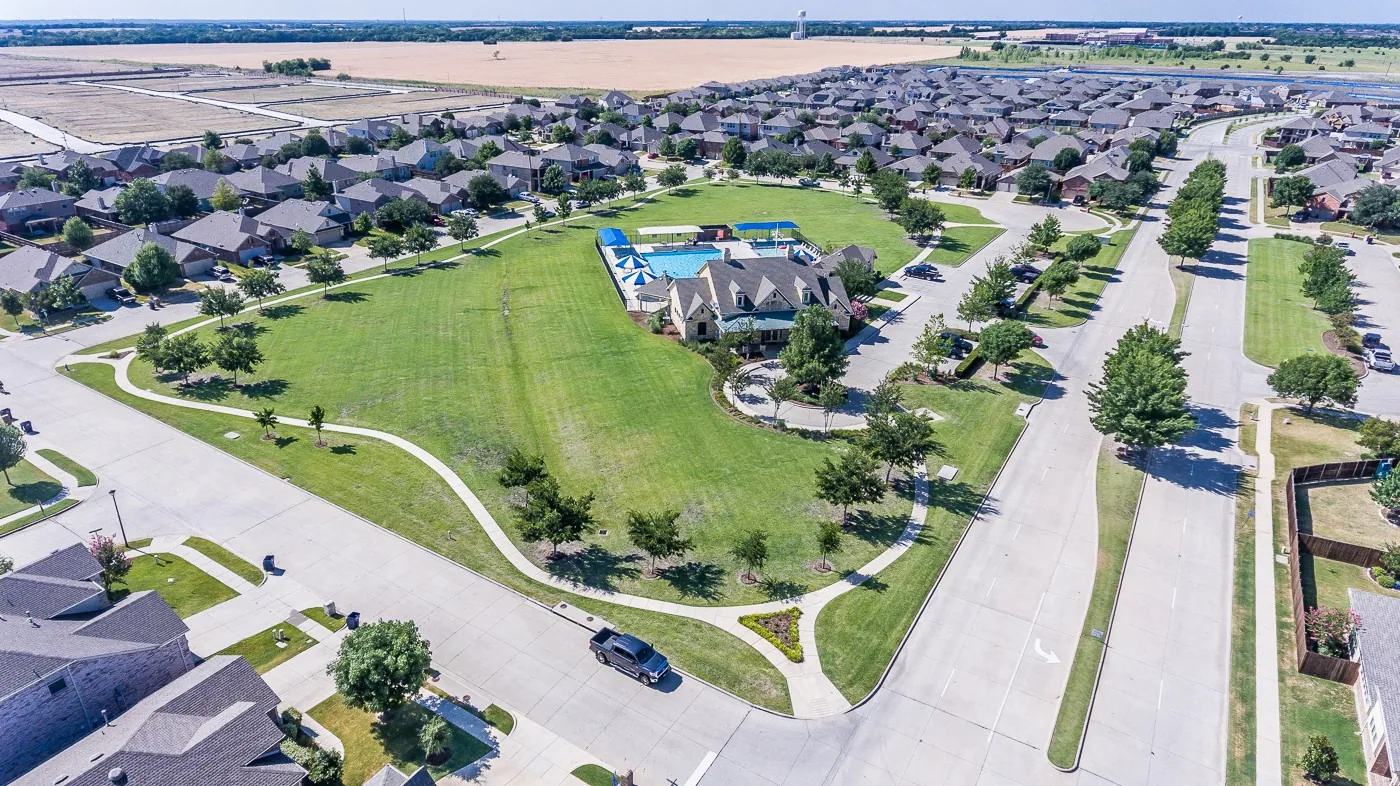
Melissa is one of the fastest-growing towns in Collin County, and its commercial buildings are changing just as quickly. New rooftop units, exhaust fans, solar mounts and skylights go in as tenants move in and businesses expand. Each addition puts a new hole in the roof. When those holes are not flashed properly, leaks follow, often weeks or months later. We see a lot of that here.
We also serve McKinney and Anna. When a leak follows equipment or skylight work, we inspect the new detail, figure out what went wrong and make it watertight.
Inspect the spot that changed
We start where the roof changed: the new curb, the new pipe penetration, the new skylight. We check how it was flashed and whether the membrane around it was damaged during installation. Equipment crews sometimes drag units across the roof, drop tools or cut the membrane while setting curbs.
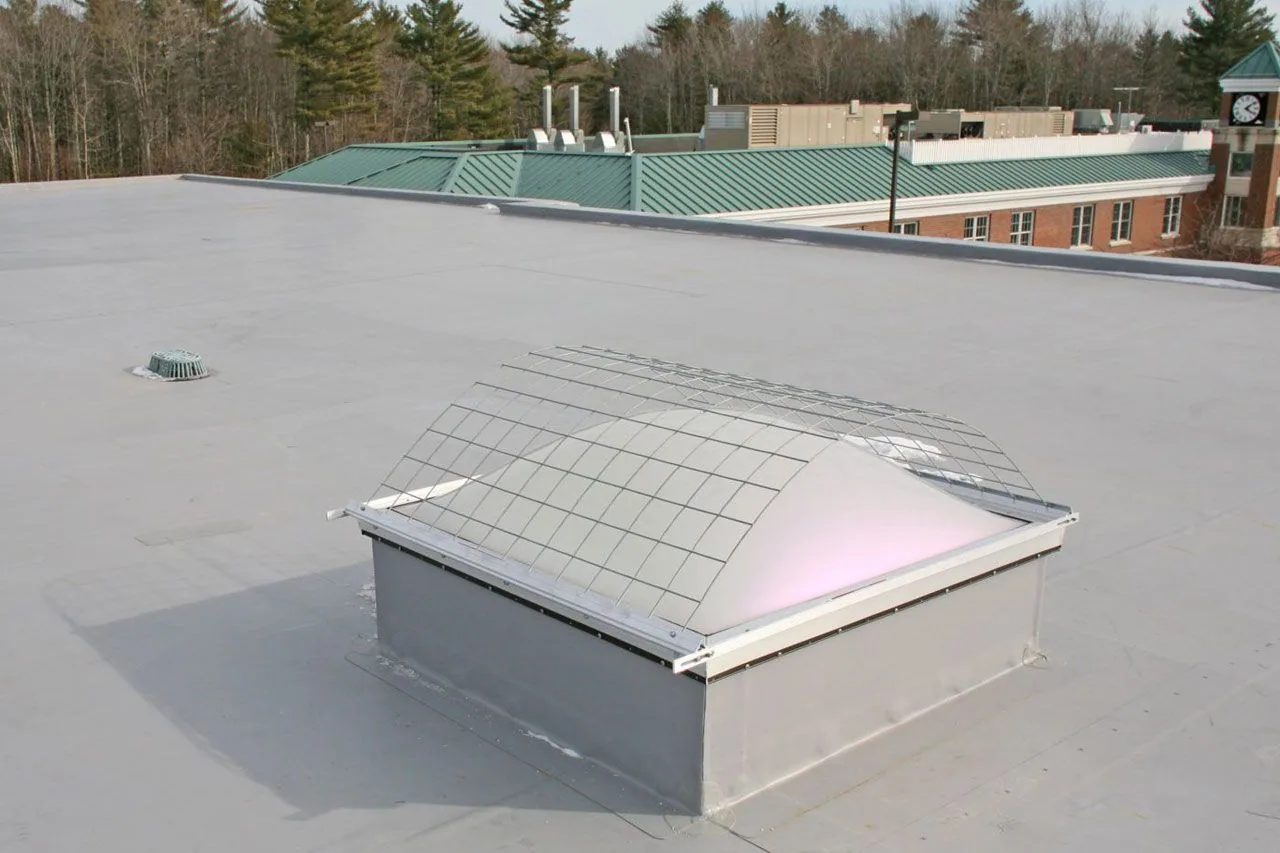
With skylight and penetration flashing, the details matter. A skylight curb needs proper base flashing, corners and counterflashing. A pipe needs a boot sized to it, not a wrap of sealant. A conduit run may need a pitch pocket or a proper curb.
We also look at the area around the new work. A crew carrying materials to the install may have punctured the membrane several feet away. If we find damage, we mark it, photograph it and include it in the repair.
Records of the installation help. If you have the mechanical contractor's paperwork or photos from before and after, they show what changed and when.
Skylights deserve a close look of their own. Cracked domes, failed gaskets and loose frames can all leak, and none of those are roof membrane problems. We check the unit itself as well as the flashing around it, and tell you which part failed.
Coordinate with the equipment trade
Some fixes need the equipment contractor's help. A curb may be too short for proper flashing height. A unit may need to be lifted so the curb can be reflashed. A conduit may need to be rerouted through a proper penetration.
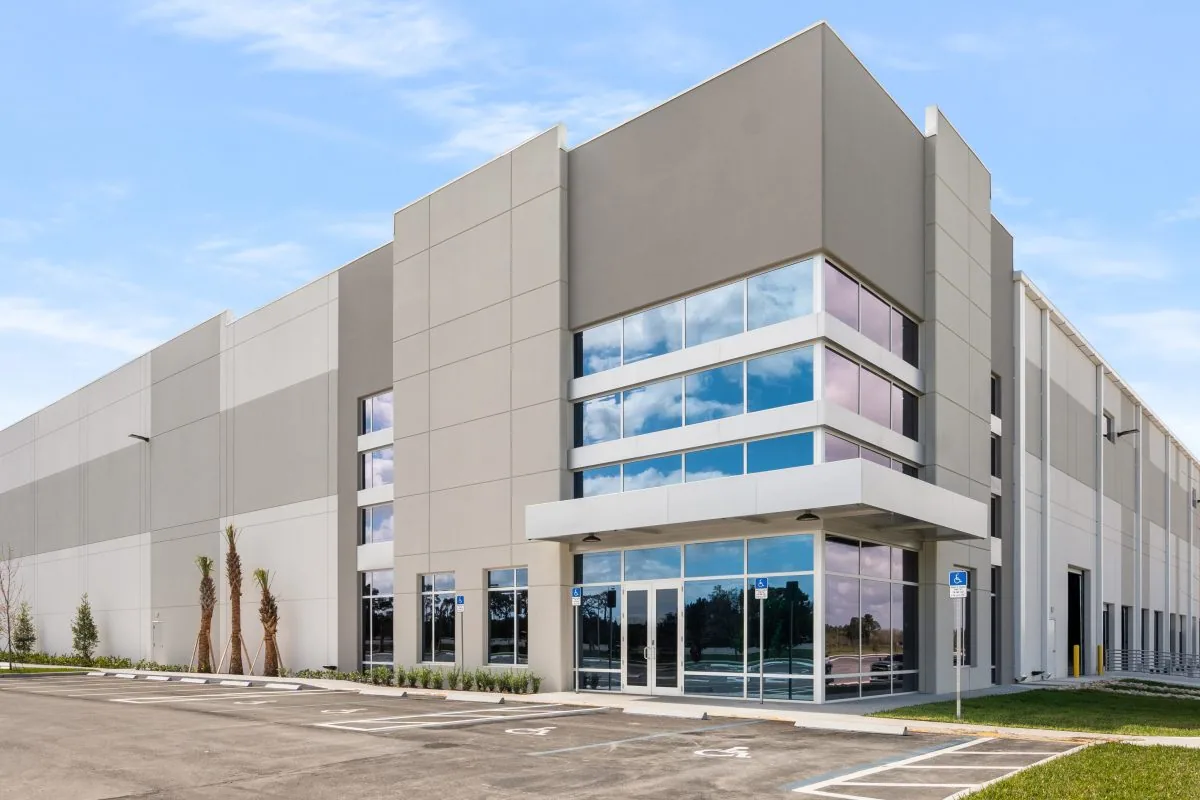
On a flex industrial building, the equipment may belong to the tenant, the landlord or a third party. We ask your property manager who owns it and who can approve changes. Then we write the proposal so it lists the equipment work that has to happen first and the roofing that follows.
This avoids a common problem: the roofer and the equipment contractor each assume the other is handling the detail, and nobody fixes it. We name who does what and in what order.
If the equipment work is delayed, we install temporary protection and tell you how long it can safely stay.
Tie the repair into the existing roof
A good repair bonds to the existing roof. On a PVC roof, we clean the membrane around the new penetration, test-weld a small area and then weld new flashing in place. We probe every weld after it cools.
If the installer used a patch or sealant that does not belong on PVC, we cut it out. Many general-purpose sealants and asphalt products do not bond to PVC and can even damage it over time. A repair laid on top of them will not hold.
We also check the seams near the new work. If a seam was stressed or opened during installation, we repair it as part of the same job.
The goal is a detail that looks and performs like it was part of the original roof. That means proper flashing heights, clean welds and nothing that relies on sealant alone to stay watertight.
Where the roof is TPO or EPDM instead of PVC, we follow the same approach with that membrane's own primers, tapes or welding methods.
Check what is under the repair
When a penetration has been leaking for a while, the insulation around it may be wet. Before we close the repair, we cut a small test opening and check. Wet insulation gets replaced.
If wet areas look bigger than the repair, a roof condition report or moisture survey can show how far the water has spread. That helps you decide whether to expand the repair now or plan a larger project later.
We also check the deck where we can. Metal deck around a long-running leak can rust, and wood deck can rot. Deck damage means we pause and talk it through with you.
Everything we find is photographed. We price and explain any extra work up front.
Close out and note what is next
When the repair is done, we send you a report. It shows the new equipment or skylight, the problems we found, any hidden damage we fixed, the finished flashing and photos of each stage.
If the equipment contractor did work as part of the fix, the report notes what they did and when. If anything is still pending, such as a curb that needs raising before final flashing, the report says so and explains how the area is protected in the meantime.
We also suggest a simple rule for the future: have the roofer look at any new rooftop installation before or right after it happens. A quick check of new flashing costs far less than tracking down a leak later.
If other parts of the roof look worn or vulnerable, we note them. Those are not urgent alarms, just items for your maintenance list.
Keep the report with your building records so the next contractor knows exactly what was done.
If a leak comes back at the same spot, call us and we will check it again.
Commercial Roofing Questions
What information helps after equipment or skylight work?
When the work was done, who did it and any photos or paperwork from the installer. That shows what changed and helps us find the problem faster.
Who approves changes to equipment near the roof repair?
Whoever owns the equipment: the tenant, the landlord or a third party. We ask your property manager and list the equipment work separately in the proposal.
What if the installer used a patch that does not match the roof?
We cut it out. Many sealants and asphalt products do not bond to single-ply membranes, so the new flashing has to go on clean, compatible material.
What if the insulation around the repair is wet?
Wet boards get swapped for dry ones before the roof is closed, with photos shown to you first. If the wet area is large, we may recommend a moisture survey.
How should we handle future rooftop installations?
Have a roofer check the new flashing before or right after the install. It is much cheaper than chasing a leak later.
Get your Melissa roof penetrations checked
Tell us about the building and any recent equipment or skylight work. We will inspect the new details, coordinate with the installer and make them watertight.
Request a Roof Assessment in Plano
Tell us about the building, the roof and what you are seeing. Send a request or call 555-555-5555.