
Commercial Roof Repair in Anna
Home / Service Areas / Anna
An inspection list becomes useful when each finding leads to a defined next task. For an Anna commercial property, we explain which defect can receive a permanent repair, which item calls for routine attention and which question still needs investigation. The manager should be able to locate the roof position and understand what the proposed work will accomplish there. A long condition list alone may leave the construction, approval and amount unresolved.
For commercial roofing in Anna, share the actual property address and available findings. We assess Melissa commercial roof concerns requiring clear next tasks after inspection and McKinney roof assignments with their own material and work boundaries. We review the present roof details before defining suitable correction. The recommendation should give the owner enough practical information to arrange the work and compare its expenditure with another option.
Read the finding at its location
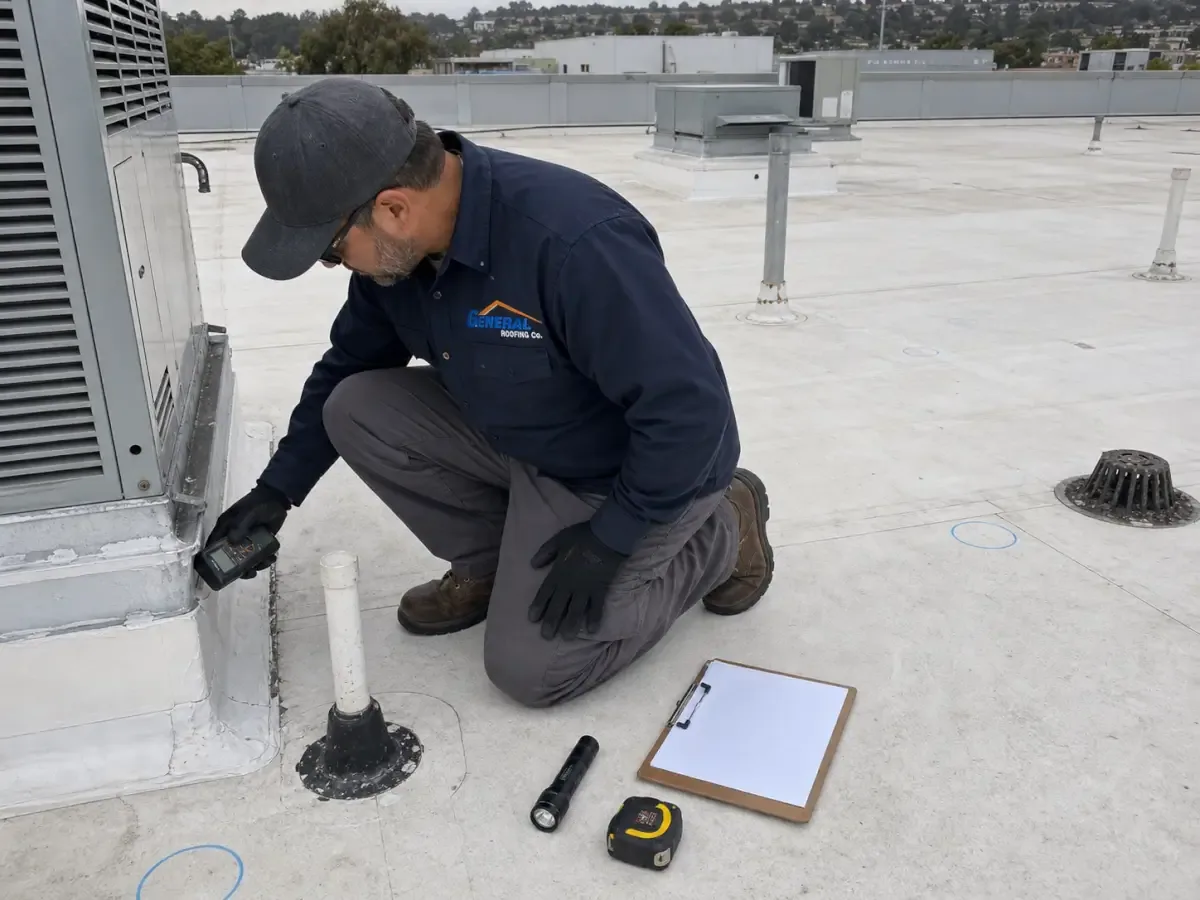
Start with the photograph, roof position and condition described. Determine whether the earlier account records an observed failure or a possible concern requiring another examination. Return to the accessible detail and review its present state. A label such as poor flashing may leave the failed connection and the component it joins unclear. Explain what needs correction at the actual opening or transition.
A commercial roof inspection translating Anna observed conditions into located repair tasks should retain the extent of the review. If a relevant seam or detail cannot be reached, identify access needed to assess it. Preserve a reported interior symptom separately from demonstrated exterior entry. The owner can then arrange the next investigation without treating every note as an already defined construction item.
Compare available repair records with the current material. A previous patch can help locate the concern while leaving its compatibility or concealed support unanswered. Inspect the nearby seam, sheet and flashing that affect the proposed correction. The useful result explains the failure found, the material it involves and the next step required for suitable permanent work.
Define construction before pricing it
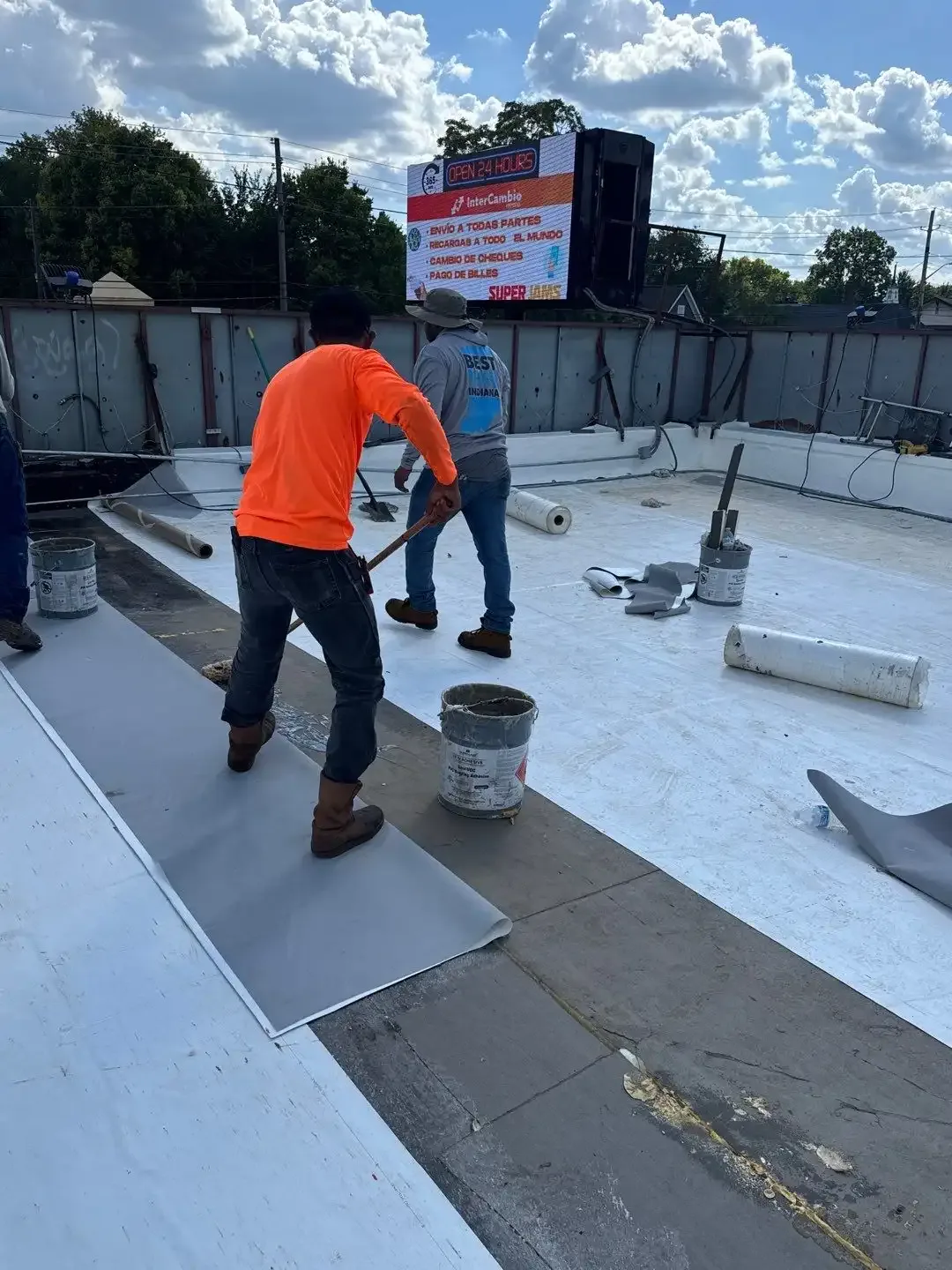
Describe the failed parts that will be removed and the permanent components proposed. A torn membrane may need a compatible patch joined to suitable roofing. A penetration can call for rebuilding its flashing assembly after another component is corrected. An outlet issue may need clearing for access, repair of damaged roofing or a separately assigned component task. Those differences belong in the scope before the amount is compared.
For modified bitumen roof corrections examining Anna covering and permanent detail work, confirm membrane identity at the repair. Review changed patches where earlier material descriptions no longer explain the present connection. Establish suitable adjoining roofing and correct failures before cleaning and preparing its surface. The selected method should answer the inspected construction rather than a general system label alone.
State what falls outside the roofing task. If equipment work precedes flashing, identify its responsible party and handoff. If another roof position requires investigation, locate it separately. A manager can request the right approval when the price describes a deliverable correction and the account leaves another duty visible. Avoid presenting uncertain additional work as though it were already part of the agreed repair.
Review the affected building area
Ask the site representative which spaces, entrances and equipment relate to the proposed task. Confirm the route to the roof, material staging and debris removal. Request applicable dust, noise or air-intake instructions before agreeing on a work period. The building arrangements should correspond to the actual position and construction included, especially where removal exposes an opening or changes the repair footprint.
For office roof repairs using Anna representative-provided access and affected-space arrangements, identify the contact receiving notices and approving changed conditions. Ask whom the representative needs to involve for work above the assigned area. A local detail correction can require a different practical sequence from wider material removal, and those differences should appear beside each option under consideration.
Discuss the condition left if a visit ends before permanent completion. Identify temporary protection, the remaining task and the person receiving that handoff. Establish the route for an urgent report while component work or an approval is pending. Clear responsibility helps the owner arrange the next step without leaving the unfinished opening as an undefined item in the inspection list.
Examine what supports the repair
Where the permanent correction attaches over insulation or deck, locate the examination needed to establish suitable support. Wet or weakened layers can change removal, reconstruction and the amount. Photograph exposed material and explain the required task before it is hidden again. The owner should understand which finding caused the added work and what the revised correction will leave in place.
A roof condition record linking Anna inspected support with repair recommendations should distinguish reviewed positions from unanswered concealed areas. If findings extend outside the local task, identify additional access and investigation. A broader concern can require its own roof review while a supported detail correction remains a separate, clearly described assignment.
Before defining a recover or replacement, assess the roof portion it would cover. Review retained material, attachment and relevant details with removal and reconstruction implications. The option should explain a different construction extent and work sequence. Finance can compare it with the local repair after both have supporting findings and an amount tied to their actual included work.
Make the completed list useful
Record permanent corrections by their original roof positions. Retain photographs of exposed layers and rebuilt details before closure, then provide a finished view. Those stages explain construction that cannot be judged from the completed surface alone. The manager can match each delivered task to the finding that prompted it and understand why material work was included.
Separate routine attention, permanent repairs and items still awaiting investigation in the final account. Explain approved changes and exclusions through the actual task. If temporary protection or another component duty remains, locate it with its receiving contact. The completed list should allow the representative to arrange the next assignment without mistaking an unfinished question for a repaired defect.
When another water report occurs, ask for its position and relevant observations. Use the completed account to compare that symptom with delivered work and remaining areas. This provides a practical starting point for another inspection. The owner can continue maintenance, investigate a different source or assess wider construction through a record that shows what was examined and what the last task actually corrected.
On an Anna roof, the next inspection step should answer one defined question. A marked photograph can show where the visible failure ends and where concealed material still needs examination.
Commercial Roofing Questions
What makes an inspection finding ready for a repair scope?
Identify the failed detail, material and roof position. Explain the permanent correction supported by current examination and any additional access or component work still required.
Why review an earlier patch again?
Check its present connection and surrounding roofing. Earlier information can locate the work while compatibility and concealed support remain questions for current inspection.
How should building coordination be included?
Confirm access and applicable affected-space instructions with the representative. Identify the receiving contact for changes, temporary protection and unfinished tasks between visits.
When can concealed layers change the amount?
Examine support where the correction depends on it. Wet or deteriorated material can require additional removal and reconstruction, explained through the exposed finding.
What should remain visible after completion?
Locate exclusions and unresolved concerns alongside permanent work delivered. Preserve photographs and another duty still pending so management can arrange the next task.
Turn the Anna findings into work
Provide the property address and the condition list or water concern requiring review. We can inspect accessible details, explain suitable permanent corrections and define material or access questions before the owner approves the task.
Request a Roof Assessment in Plano
Tell us about the building, the roof and what you are seeing. Send a request or call 555-555-5555.