
Church Roofing in Plano, TX
Home / Property Types We Roof / Church Roofing
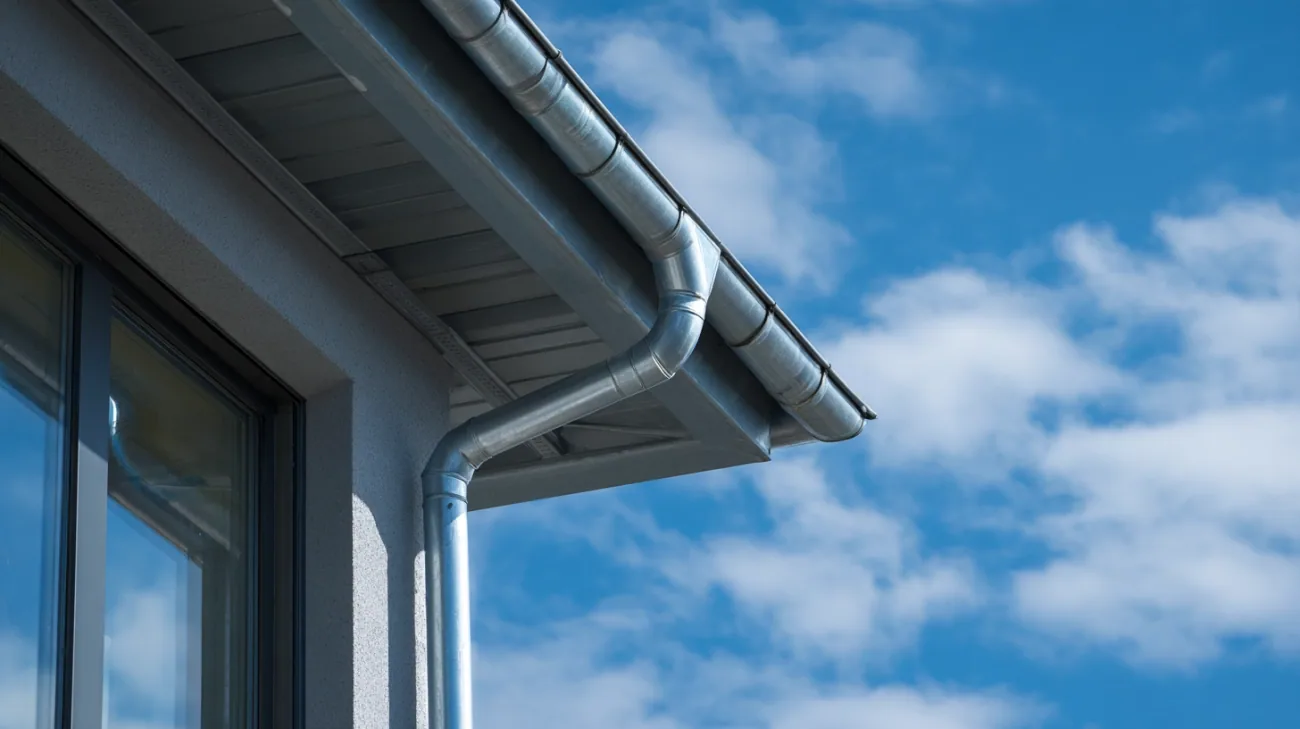
Church roofs in Plano are rarely one roof. A typical building has a pitched sanctuary roof, a flat or low-slope roof over the fellowship hall and classrooms, and maybe a bell tower or steeple tying into both. Where those pieces meet, and along the long runs of edge metal, gutters and coping, is where leaks tend to start. New edge metal is only as good as the wood nailer it's fastened to. If we pull back the old metal and the nailer is rotted or split, we replace it before anything new goes on, and the estimate should say so. A bid that just caulks the joint or coats over the edge isn't comparable to one that rebuilds the wood and re-flashes the membrane to it.
Most churches we talk to have a building committee or a facilities volunteer juggling a fixed budget, so clear numbers matter. Send us the building address, the name of the person who can unlock the roof hatch or ladder, and any past repair invoices or drawings you have. Those help us find the problem area faster, though we still need to see the wood and insulation ourselves. We'll also ask what goes on in the rooms under the work, from weekday preschool to evening rehearsals, so the schedule fits your calendar rather than a guess about it.
Checking the wood behind the edge metal
On an edge metal, coping and gutter repair, we start by looking at the metal itself: loose cleats, backed-out nails or screws, open lap joints and sealant that has split. Then we lift a section and check the wood nailer and fascia board behind it. Paint and new-looking metal can hide soft, wet wood. If we can't see the nailer without opening more, we'll tell you where we want to look and why, and the price includes closing that spot back up afterward. That way you're paying to answer a real question, not for a guess that the wood is fine because the front looks tidy.
If the nailer or blocking is rotten, we replace it with new treated lumber fastened to the wall or deck, and on a tall gable or tower wall we may suggest an engineer or carpenter look at the framing first. We photograph the bad wood before it's covered so you can see why it was replaced. One loose stretch of gutter doesn't prove every edge on the building is failing, so we price what we found. Where another hidden detail, like a tower wall or a valley at the sanctuary, still affects the repair, we say so rather than assume.
Deciding what can stay
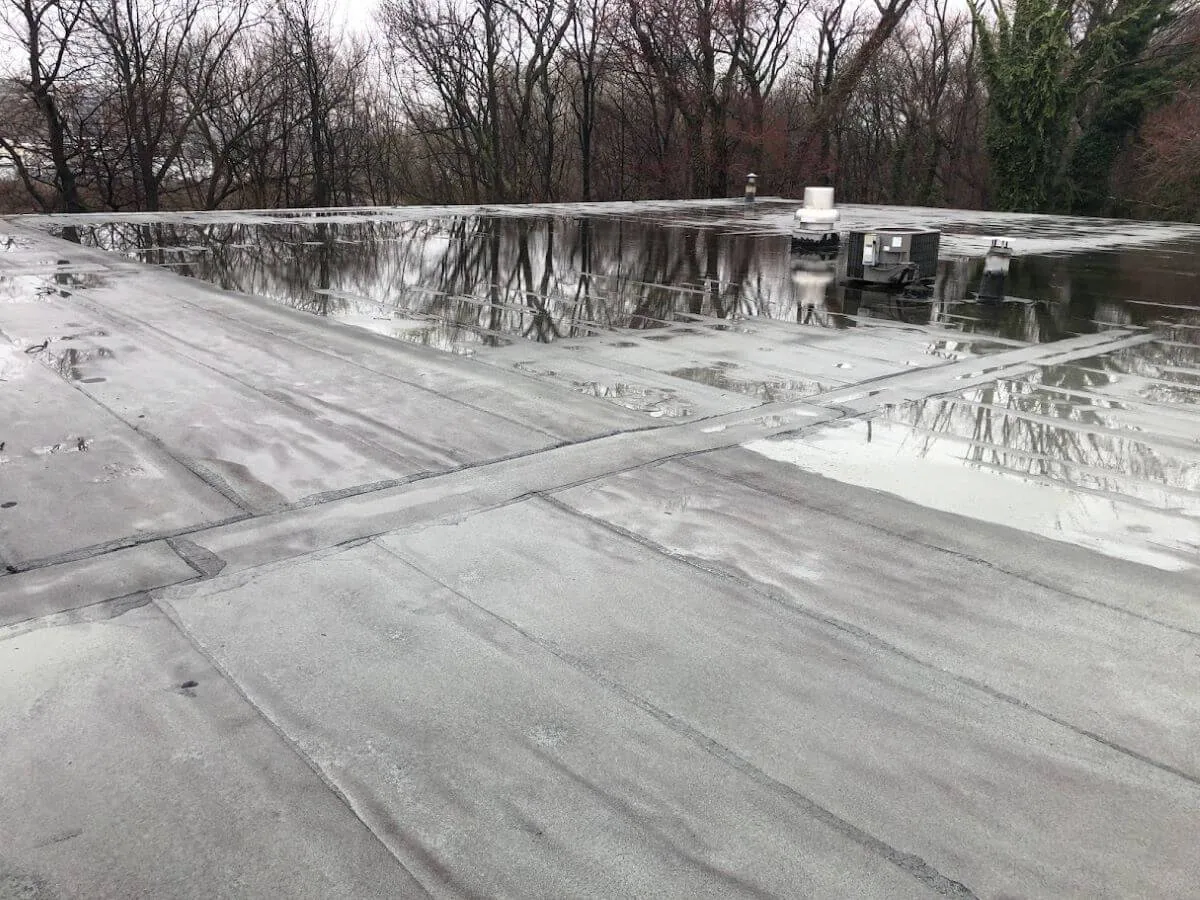
On the low-slope sections, an infrared moisture survey can point to where wet insulation may be hiding under the membrane. It's a useful map, not a final answer. Warm spots on the image can come from wet board, but also from patches, changes in insulation thickness or heat from rooms below. Where the survey result decides whether insulation stays or gets replaced, we pull a core sample to confirm it and patch the core in the same visit. For a committee watching costs, that keeps you from paying to replace dry insulation, or from leaving wet insulation under a new roof.
We also try not to overstate what caused a problem. A wet ceiling tile in a classroom tells us where water ended up, not where it came in; water can travel along a deck flute or a beam before it drops. We trace it back from the roof side. A split seam or rotted nailer needs fixing either way, even when we can't say whether it was age, storm wind or an old repair that started it. If a quote prices new membrane but assumes everything under it is sound without checking, that assumption should be written down so you can weigh it against a bid that included cores.
Pricing the edge and roof together
A real commercial roof repair at a church edge lists the old metal and membrane coming off, the wood we're replacing, and the new flashing tied to it. TPO and PVC get hot-air-welded seams; EPDM uses tape and primer; modified bitumen or a built-up roof gets torched or set in adhesive with compatible flashing plies. Where the low roof meets a shingled or metal sanctuary roof, the transition flashing has to work with both. A coating applied over a rotten nailer doesn't fix the wood or reattach loose metal, so if one bid is a fraction of the others, check what it leaves out.
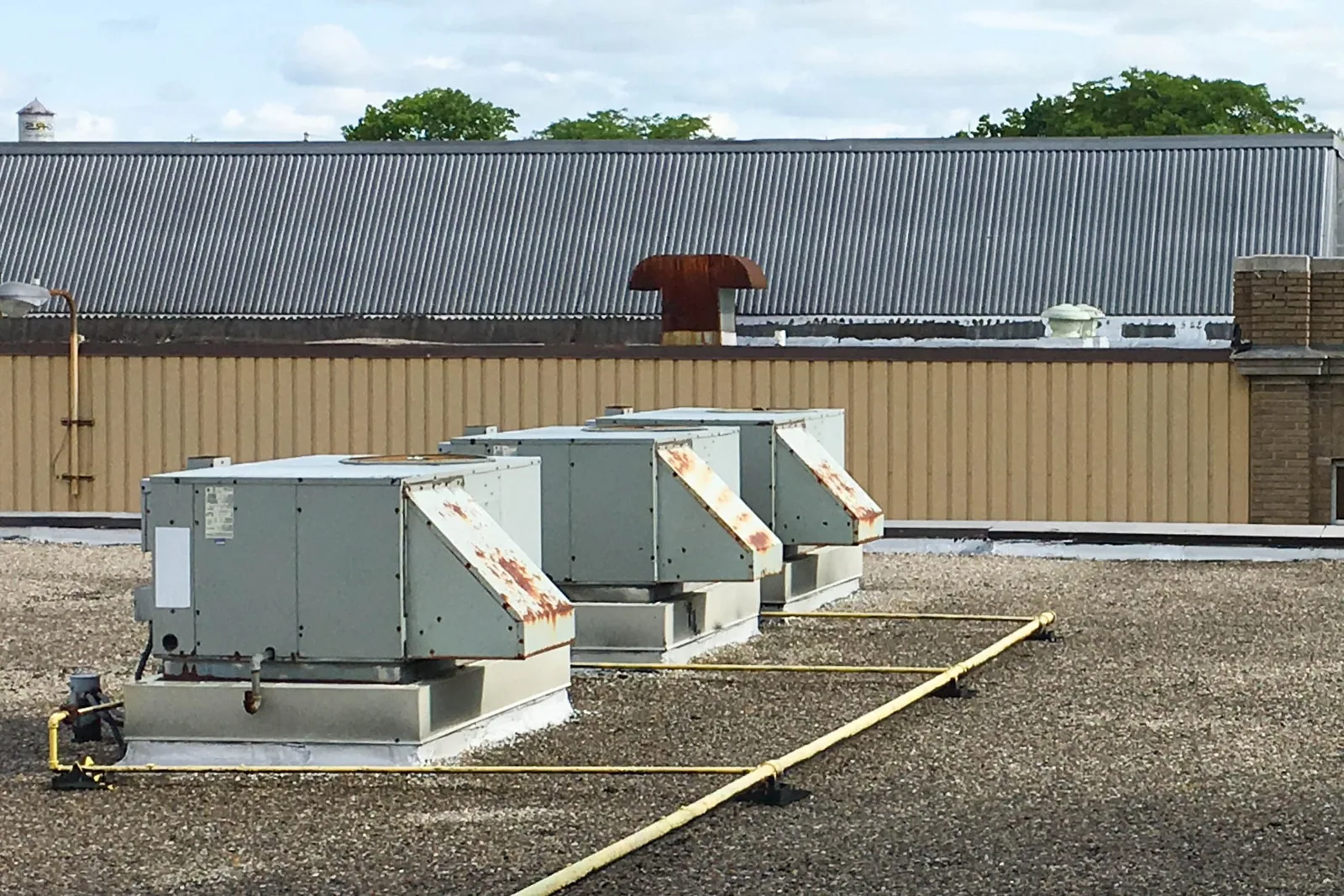
Fellowship halls and education wings often carry rooftop HVAC units, and our equipment curb and support work depends on your HVAC contractor. They should handle disconnecting, lifting and restarting the units. If a curb or stand needs changing, an engineer may need to sign off. Where the repair runs up a brick or stucco wall, we check what's behind the counterflashing before fastening new metal. Drains in the work area get a new membrane tie-in from us, but cracked pipe below the deck is the plumber's job. Each item shows who does it, so a new seam isn't mistaken for the HVAC work being finished.
Planning around services and activities
Before any roof work over an occupied building, we walk through the plan with your facilities lead or pastor: where we'll cut in, how material gets to the roof, where the dumpster and hoist sit, and which rooms are underneath. Your staff know whether that's a nursery, an office, a choir room or the sanctuary. We'll ask about pianos, sound equipment, stored furniture and anything that should be covered or moved, and about weddings, funerals or events we should avoid. An inspection doesn't mean rooms are ready or that tear-off can begin. Your team sets the schedule, and we work to it.
Older church roofs sometimes hide more rot than anyone expected once the first section is open, especially along long gutters or under old tower flashings. When we find it, we stop, take photos, mark how far the bad wood or wet insulation goes, and walk you through what it adds to the job. If another trade, like a carpenter or HVAC tech, has to do their part first, we keep the opening sealed and dry in the meantime. We'll also go back over which rooms below the bigger work area need protecting. The change order covers the whole picture, not just more feet of metal or membrane, so the committee can approve it knowing what it buys.
Keeping a record of the edge work
Once new metal goes on, the wood behind it disappears, so we keep a clear record: where we worked, photos of the old nailer and the new one, the metal and membrane installed, and where test openings were patched. Work still waiting on another trade, like an HVAC disconnect, a masonry repair on a tower wall or a plumber's pipe fix, is listed apart from the roofing we finished. If a hidden detail still needs a look, we note where and why. When the next facilities volunteer takes over, they can see exactly what was done at that edge without assuming the whole roof was inspected.
We serve congregations near Downtown Plano and across the city. Send the building address and the person who handles access, and we'll set a time that avoids your services. Similar edge and flashing issues come up on government buildings and school roofs, which also have mixed roof sections and tight budgets, but every church gets priced on what we find on its own roof, not on another building's condition or a guess about your calendar.
Commercial Roofing Questions
Why does the wood behind the edge metal matter in the price?
New edge metal is fastened into the wood nailer behind it. If that wood is rotten, the metal won't stay put, so the estimate should include replacing it. Ask every bidder whether their price includes checking and replacing the nailer.
The edge looks fine. Could the wood behind it still be bad?
Yes. Paint and metal can look clean while the wood behind them is soft and wet. We lift a section to check, and if we need to open more, we tell you where and include patching it.
Who decides when the work happens and which rooms are cleared?
Your staff or facilities lead does. We walk them through where we'll cut and how materials get to the roof, and you tell us which rooms, equipment and events need protecting. An inspection visit doesn't clear any rooms.
What if you find more rot once the roof is open?
We stop, photograph it, and show you how far the damage goes and what it adds to the price. The roof stays sealed while you decide. We also check again which rooms below the bigger area need protection.
Ask for a church roof inspection
Tell us where the leak or loose edge is and who can open the roof access. We'll check the metal and the wood behind it, then give your committee a clear estimate.

Request a Roof Assessment in Plano
Tell us about the building, the roof and what you are seeing. Send a request or call 555-555-5555.