
Commercial Roofing for Hospitality Groups in Plano, TX
Home / Industries We Serve / Hospitality Groups
When a guest reports water in a room, the hotel manager needs to know where it's coming from before anyone can say what the fix will cost. The stain on the ceiling, the membrane on the roof and the rooftop unit nearby may each be part of the story, or not. We sort those out on the roof and tell the property contact what work the inspection actually supports and what it takes to do it. "Just stop the leak" isn't a plan if an HVAC issue or wet insulation is hiding under it.
Plano's hotels range from Hilton Dallas/Plano Granite Park on Granite Parkway to the smaller properties near the Municipal Center and along the tollway. When you call, tell us which hotel and which rooms or areas are affected. Our commercial roof leak repair is based on what we find on that roof. We explain any tear-off and equipment work involved so management can plan around guests.
The report links the room and roof location
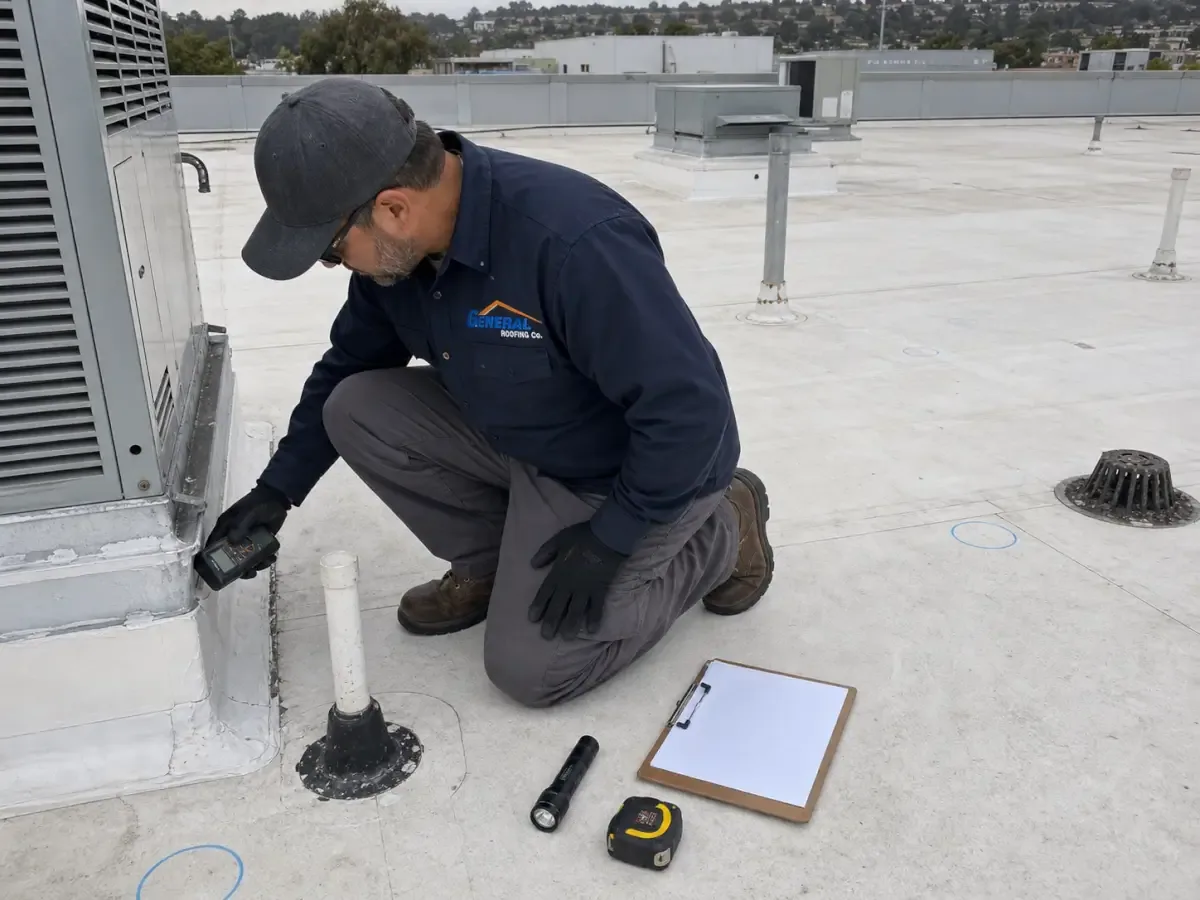
We note the room or hallway where water appeared and inspect the roof area around and above it. Water often runs along the deck or insulation before it drips, so the leak on the roof may not line up with the stain below. We keep what the staff tells us separate from what we see on the roof, and if there's still a question about where the water is getting in, we say so.
Each photo shows the problem with enough of the surrounding roof to find it again. A close-up of an open seam proves there's a gap, but nobody can locate it from that alone. We add a roof plan mark or a wider shot so the manager can match each repair item and its cost to what we found, without relying on someone's memory of the visit.
Our commercial roof inspection notes any area we couldn't reach. That part of the roof stays marked as not inspected, along with what it would take to check it. We won't call an unseen section of roof "fine" just to make the report look complete.
The repair includes the complete connection
We identify the roof system and the wall, curb or drain involved, then check the membrane around where the repair will end. The prep and seaming have to match that roof. Patching the membrane at the bottom of a wall won't fix a failed flashing higher up, so the scope covers whatever it takes to make that detail watertight again.
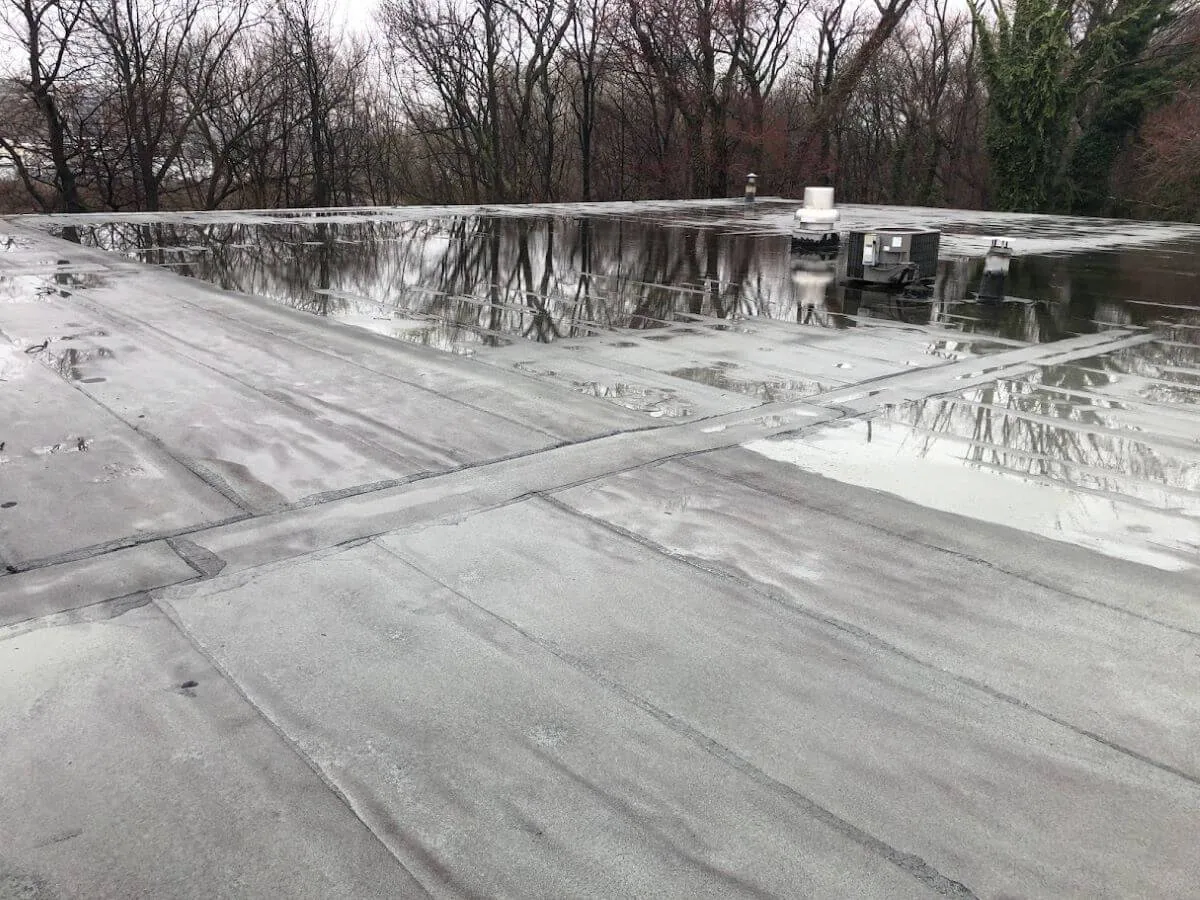
Our commercial roof repair estimates list the layers being replaced and any nearby flashing or curb work. If we need to check under the membrane before deciding what stays, we take a core and note where and what it showed. One wet spot doesn't mean all the insulation on the roof is wet. The manager sees what the price is based on and what still needs checking.
If an HVAC, plumbing or structural contractor needs to fix something first, that's listed clearly. A service call on the rooftop unit doesn't mean it's ready for new flashing. The hotel contact gets the order of work so they can line up each trade before we close up the roof.
The property confirms guest-area arrangements
We tell hotel management where we'll open the roof, how crews will get up there and how materials will be moved. The hotel decides how to handle guests, room blocks and noise through its own process. We confirm the approvals needed for the work, then schedule around the access and protection rules they set. We don't promise rooms will stay available or assume a standard work window.
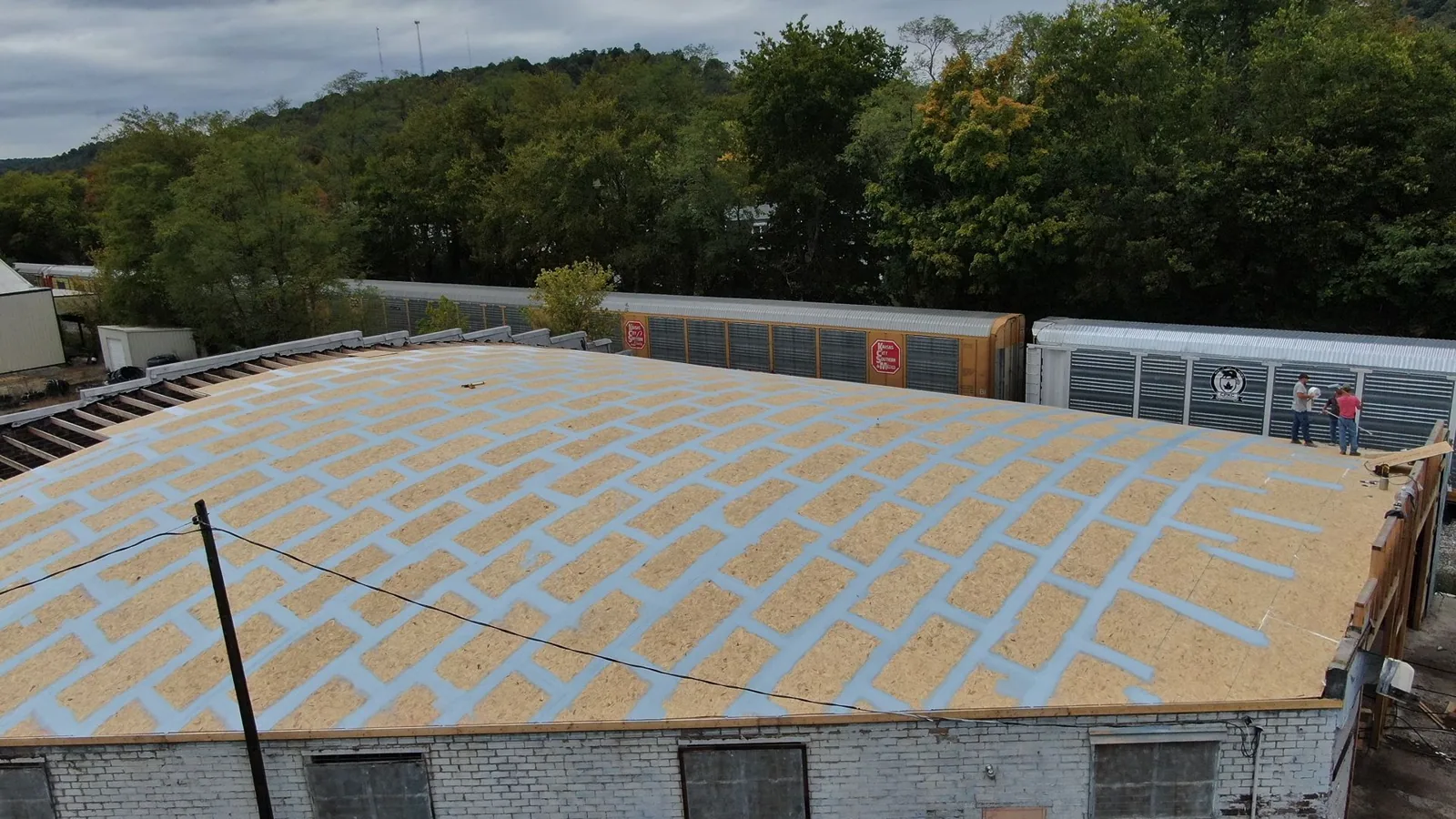
With occupied building reroofing, each phase ends at a point where the roof can be sealed watertight. We show which areas can be finished on their own and which need equipment work first. A quiet stretch between events is a good time to work, but the roof decides where a section can safely end. The manager sees both the roofing plan and the site logistics before approving the schedule.
For hotels in Granite Park, we work through the property's own contacts and approvals. We note the approved access route and who gets updates. Access and equipment requirements are listed with the scope so the manager can coordinate every trade involved.
The amount remains specific to each property
Where the findings support it, we compare a local repair with a larger fix. Each option states what membrane stays, what comes off and which edges and transitions are included. A bigger job can involve different equipment and wall work than a small repair, and we list those items the same way for each option. A higher price doesn't automatically mean every wall, unit or drain is included.
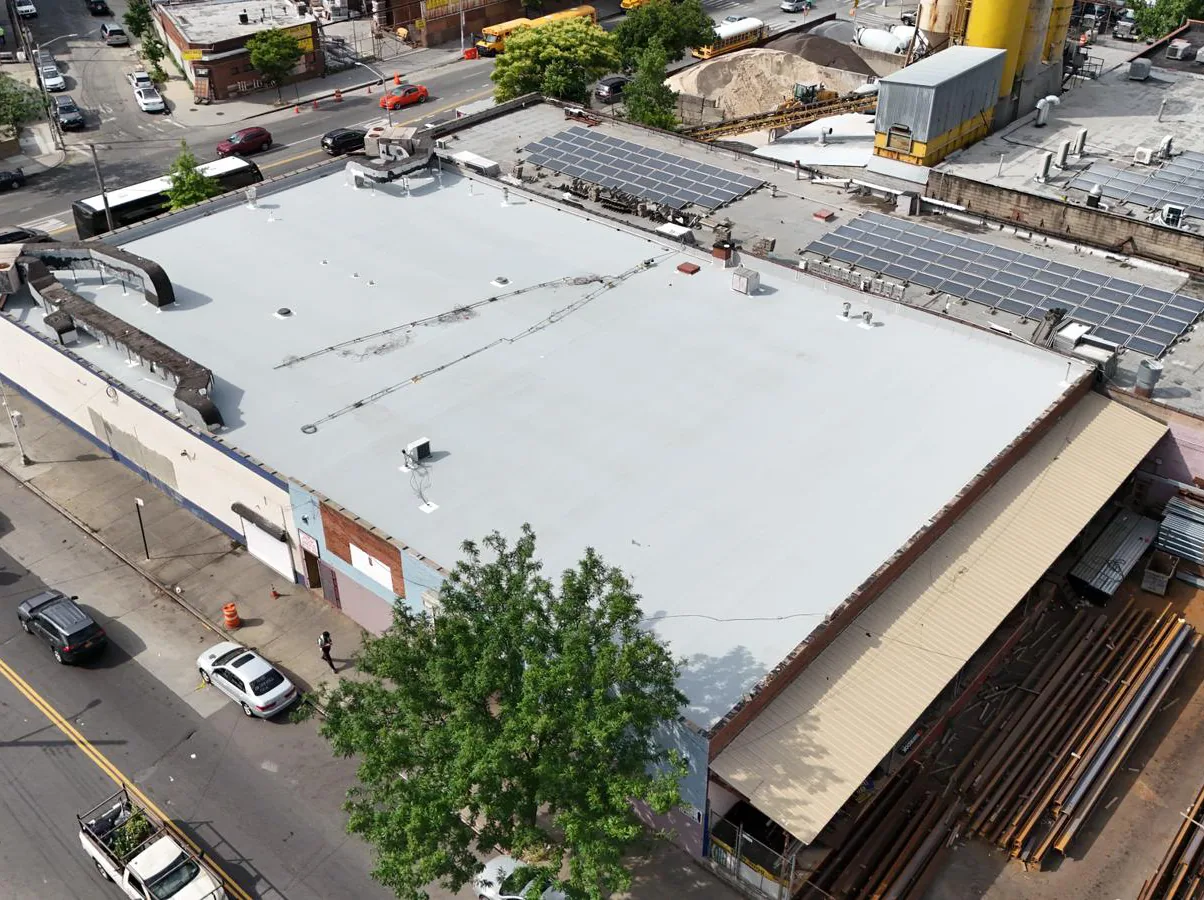
For groups that own several hotels, a multi-site roof program keeps each property's findings separate. One hotel might need more testing before we can price it. Another might have a clear, simple repair ready to go. Keeping those apart means one property's results never get applied to a building we haven't inspected.
Every new job is based on that roof's current condition. A repair finished at one hotel is a record of that hotel's work, not proof that another roof's insulation is dry. Shared ownership doesn't make the roofs or the trades involved the same.
New findings follow the project review
If tear-off uncovers something that changes the plan, we document it before covering anything back up and explain what it means. The revised scope goes through the approval process we agreed on, and the roof stays protected while you decide. Any added cost is tied directly to what we found.
We provide emergency roof protection at night, on weekends and on holidays. The work record notes what the temporary fix addresses and what still needs inspection before a permanent repair. Hotel management confirms access. A temporary fix isn't a full inspection under the membrane or a substitute for another trade's repair.
The completed record explains the repair result
We photograph the prepared deck and insulation before they're covered, along with the finished flashing and seams, all tied to roof locations. The record notes which layers were replaced and which were kept. Any work still owed by another trade is listed at its location, so the hotel manager can tell it apart from the finished roof repair. A photo of new membrane alone doesn't show what was rebuilt underneath.
When jobs involve property management companies or general contractors working on the same hotel, each party's work stays clearly separated. If a new leak shows up later, we use the earlier photos as a starting point, then inspect what's actually causing the new problem. The record covers the work we did and the areas we inspected, nothing more.
Commercial Roofing Questions
How do you track down a leak reported in a guest room?
We note where the water appeared and inspect the roof areas around and above it. Staff reports are kept separate from what we see on the roof. Water often travels before it drips, so the leak may not be directly above the stain, and we say so when a question is still open.
What should a hotel roof repair estimate include?
It should list the prep, the layers being replaced and how the repair will be sealed. Any wall, HVAC or drain work that has to happen first should be listed too, so the manager sees the whole job.
Who decides how roof work is scheduled around guests?
Hotel management does, through its own process. We explain where we'll open the roof and the order of work, and they set access and guest-area rules for that property.
If we find a problem at one of our hotels, does it apply to the others?
No. Every roof needs its own inspection. We compare findings across your properties, but we don't assume one hotel's repair or test results apply to a roof we haven't checked.
How do we know what was done once the new membrane covers it?
We keep photos of the prepped deck, replaced layers and finished flashing, tied to roof locations. Work still owed by other trades and areas we didn't inspect are noted, so later leaks can be traced quickly.
Define the assigned hospitality roof correction
Have your property contact schedule a roof visit in Plano. We'll find the leak, give you the full permanent repair scope and list the access and equipment work needed to get it done.
Request a Roof Assessment in Plano
Tell us about the building, the roof and what you are seeing. Send a request or call 555-555-5555.