
Spray Polyurethane Foam Roofing in Plano, TX
Home / Roof Systems / Spray Polyurethane Foam Roofing
On a foam roof, a worn-through coating and damage that goes into the foam itself need different repairs. Our spray polyurethane foam reviews in Plano sort those out before we recommend anything. You need to know what material is damaged and how it'll be fixed, with locations clear enough to compare a repair against a bigger job. A gallon count for coating doesn't tell you what's going on underneath.
On a large campus building, such as one at Collin College's Spring Creek Parkway campus, we'd inspect the foam surface and review any roof records. Our findings show where the work is just recoating, where the foam needs repair and where a hidden question needs testing before a bigger scope can be written.
Distinguish the covering from the foam
The Spray Polyurethane Foam Alliance describes an SPF roof as foam sprayed over a prepared deck and then topped with a protective coating. That coating protects the foam from foot traffic and wear, UV and weather. The SPFA lists acrylic and silicone among the coating types a foam supplier may specify. Each system still has its own product and application requirements.
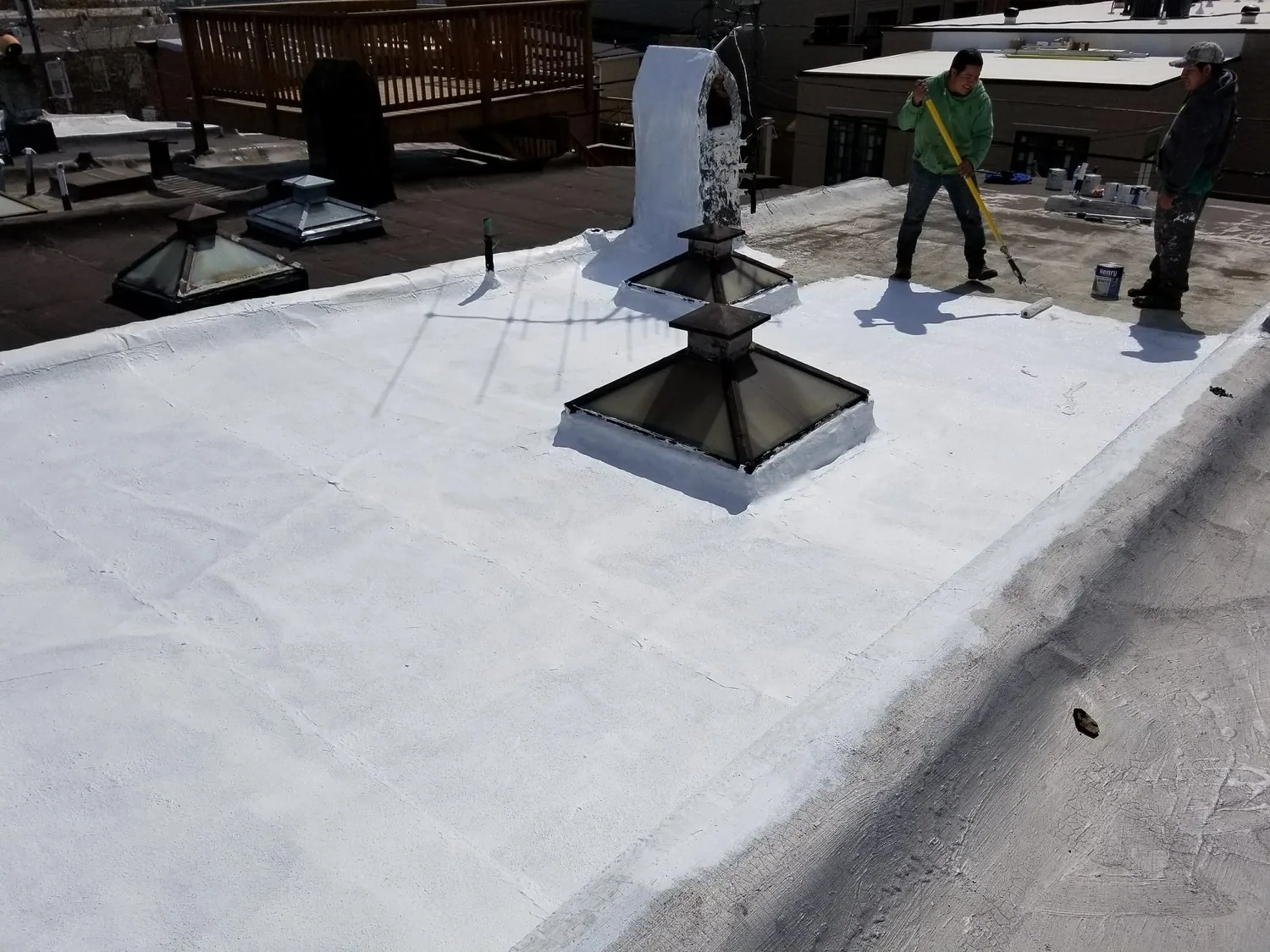
We record the coating condition at each inspected area and separate worn or damaged spots from a general description of the whole roof. A silicone roof coating is one recoating option, with its own prep for local repairs. One damaged spot stays tied to its location. The report also says where we need to look further at the foam beyond what we can see, so one finding doesn't turn into a conclusion about the whole building.
Locate the depth of damaged work
We describe what each damaged area actually involves before pricing the repair. A crack in the coating, damage that goes into exposed foam and a question about wet foam or deck underneath are three separate findings. We mark each one so you can see which repair fixes it. If testing is needed, we explain what decision it will settle and keep that quantity open until it's done.
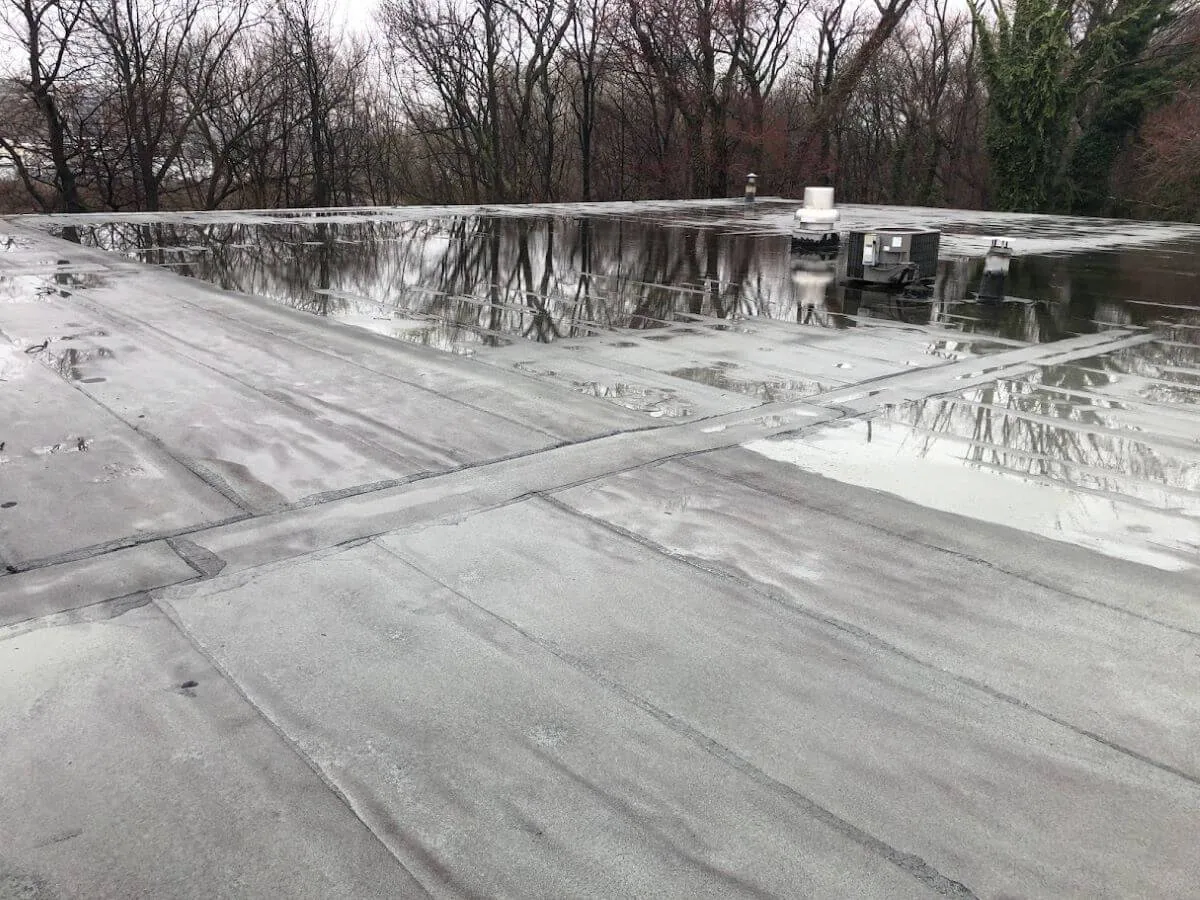
An infrared moisture survey can help find wet areas in foam, but it needs the right conditions and its readings have to be confirmed with cores or probes. A survey reading isn't an exact measurement of how deep the damage goes. Our scope lists tear-out and repair at confirmed locations, rather than pricing a coating over foam that may need to come out.
Complete the repair below the covering
Where foam or nearby construction needs repair, that work is defined before the new coating is specified. We identify the materials and repair method and the surface the repair will bond to. The crew gets clear instructions for each damaged area, not a general direction to fill low spots and coat over them. If prep uncovers something new, we record it and review it before it's covered.
For a larger public building like the Plano Municipal Center on K Avenue, roof records would help guide the review. Our commercial roof repair scope ties each finding to the actual repair under the new coating. We record the location and prep for each repair. You'll know which part of the price fixes damaged foam and which part pays for the new protective coating.
Inspect transitions before coating them
Where foam meets a curb or wall needs its own inspection. We look for open joints, damaged flashing or curb problems and identify the repair each needs. A smooth coating across the joint doesn't show the condition of what's underneath or who's responsible for fixing it. Roofing work and curb or equipment work stay separate, especially when one has to happen first.
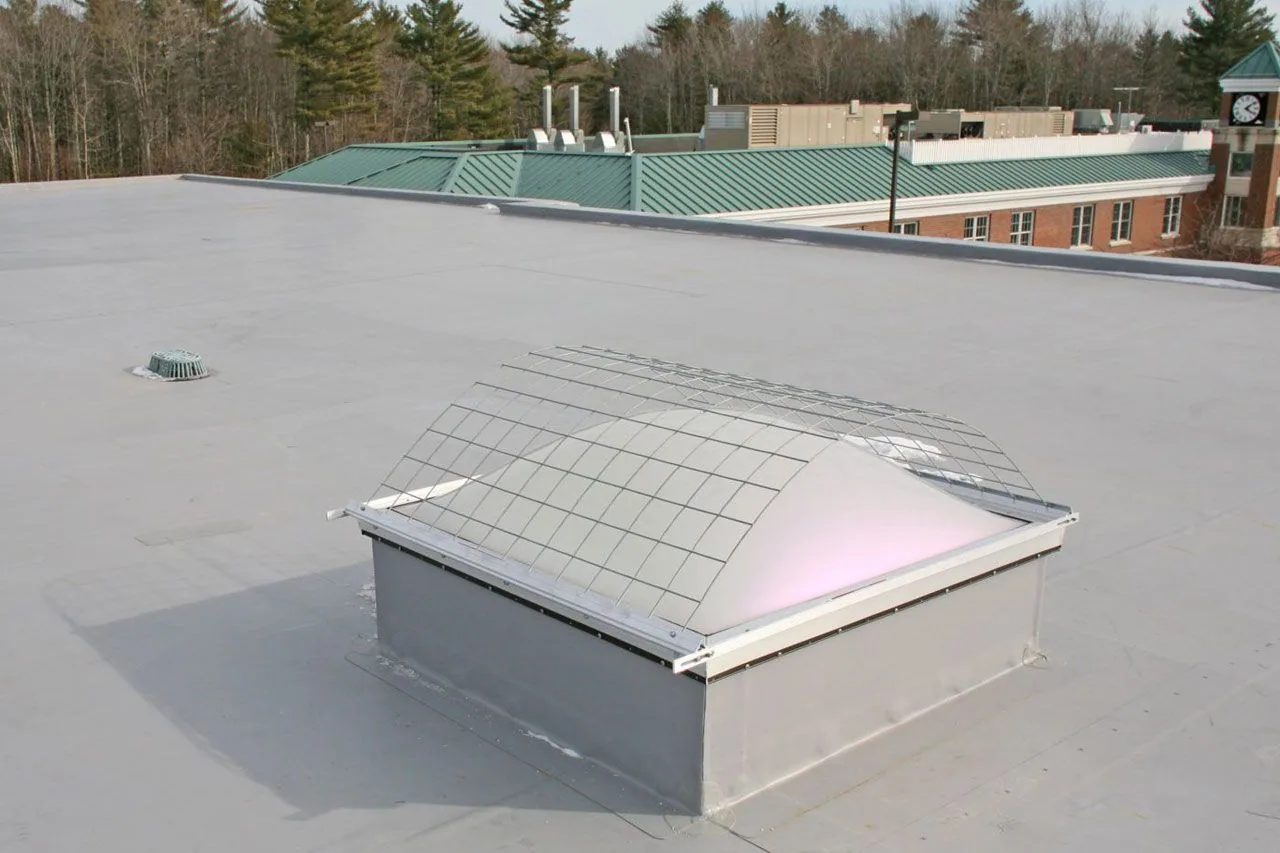
Our skylight and penetration flashing review covers those joints before they're recoated. Product references stay tied to each curb or pipe. If another trade's repair changes how the roof meets the curb, we coordinate before coating. You'll see the repair behind each finished detail, rather than paying for a coating over a joint that's still failing.
Specify the complete protective treatment
We identify the coating, the surface prep and the application requirements together, and check them against the actual conditions expected during the work. If the coating depends on a repair, drying time or another trade's work, the schedule shows it. A planned coating day still depends on weather that suits the product.
An acrylic roof coating is another option for foam roofs, with its own prep and application conditions. We compare each option's full process, including local repairs and how joints are handled. You can trace the choice from what we saw on the roof to the work required there. A product name or coating color can't replace that description of how the coating will actually be applied.
Keep repaired areas identifiable
We photograph repairs before the new coating hides them. Product names and repair locations are kept with the final coating record. If testing changes how much foam has to come out, we record the finding and the new quantity. The closeout explains the completed work and lists any curb or equipment question still waiting on another trade.
For Downtown Plano foam roofs and across the city, a later inspection can find each repaired area. New damage can be checked against known work instead of a vague note that the roof was "recoated." The record also lists the products and details used, along with the existing foam left in place, which helps plan future inspections.
Commercial Roofing Questions
How do you tell coating damage from foam damage?
We record the coating condition and the foam condition at each inspected spot, and recommend testing where hidden moisture or deck damage could change the repair.
Can an infrared survey tell you exactly how much foam to remove?
No. It shows likely wet areas under the right conditions. We confirm with cores or probes before setting a tear-out boundary.
What has to happen before a damaged area is recoated?
The damaged foam or flashing has to be repaired first. We record any new findings and confirm the coating requirements for the repaired surface.
Why inspect curbs separately on a foam roof?
Because the joint may involve damaged flashing or curb work that coating won't fix. We identify the repair and the order of work before coating over it.
What should a foam roof repair record include?
Product names, repaired locations, photos of the work before it was coated and any change in quantities or open questions for other trades.
Separate foam repair from surface treatment
Schedule a foam roof assessment in Plano. We'll record the damaged areas and explain the repairs and protective coating your roof needs.

Request a Roof Assessment in Plano
Tell us about the building, the roof and what you are seeing. Send a request or call 555-555-5555.