
Duro-Last Roofing in Plano, TX
Home / Roofing Manufacturers / Duro-Last Roofing
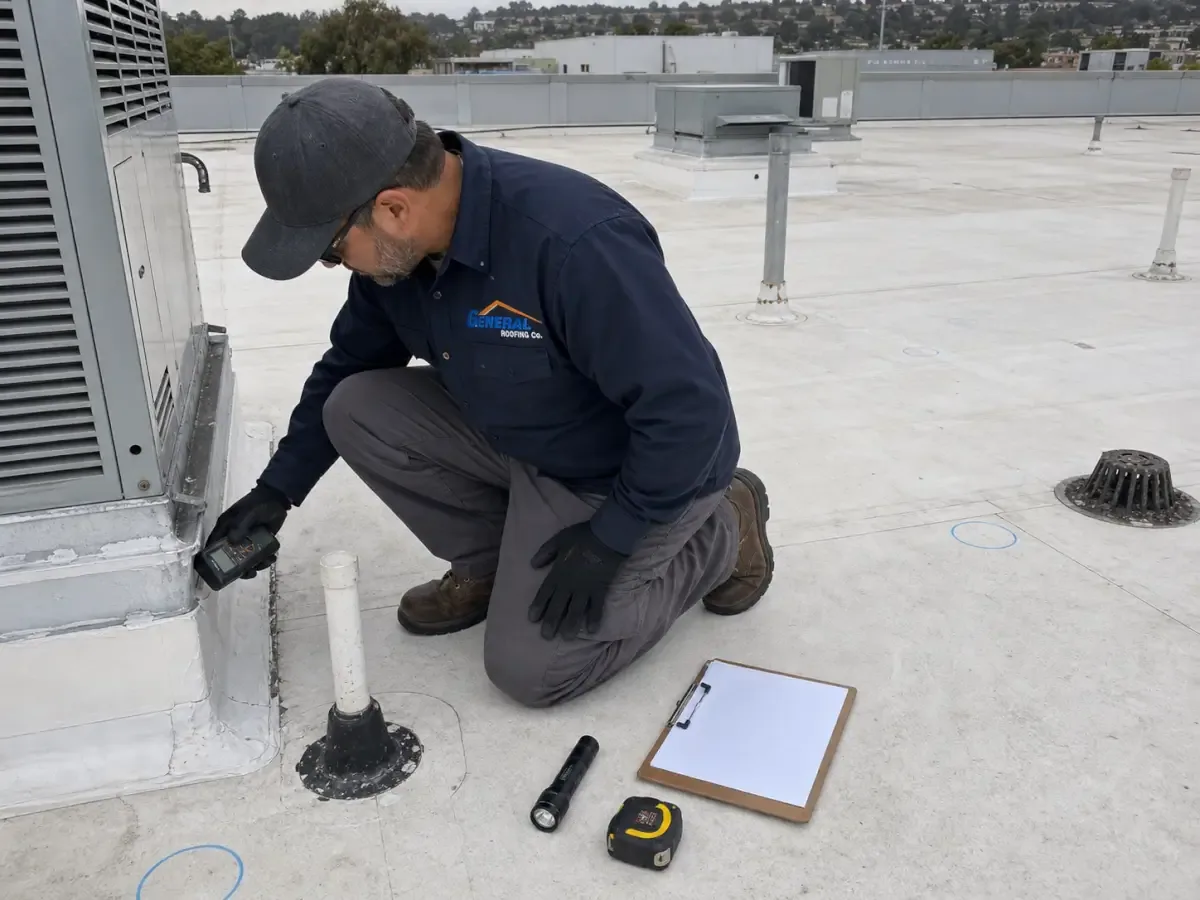
A Duro-Last roof is built in the factory to fit your building, so it's only as good as the measurements behind it. For Duro-Last projects in Plano, we measure the roof and map every curb, drain, wall and penetration before the sheet layout is drawn. You should get a clear picture of the membrane, where each component sits and which seams and flashings the crew will finish on the roof. "Custom-fabricated" on its own doesn't tell you any.
Whether the building is a hotel like Hilton Dallas/Plano Granite Park or a two-story office, the process is the same. We inspect the roof, note the layout and equipment, and recommend the sheets and accessories along with the prep, fastening and flashing work needed on site. Any measurement or material question still open is flagged before anything goes to fabrication.
Connect the sheet layout to field information
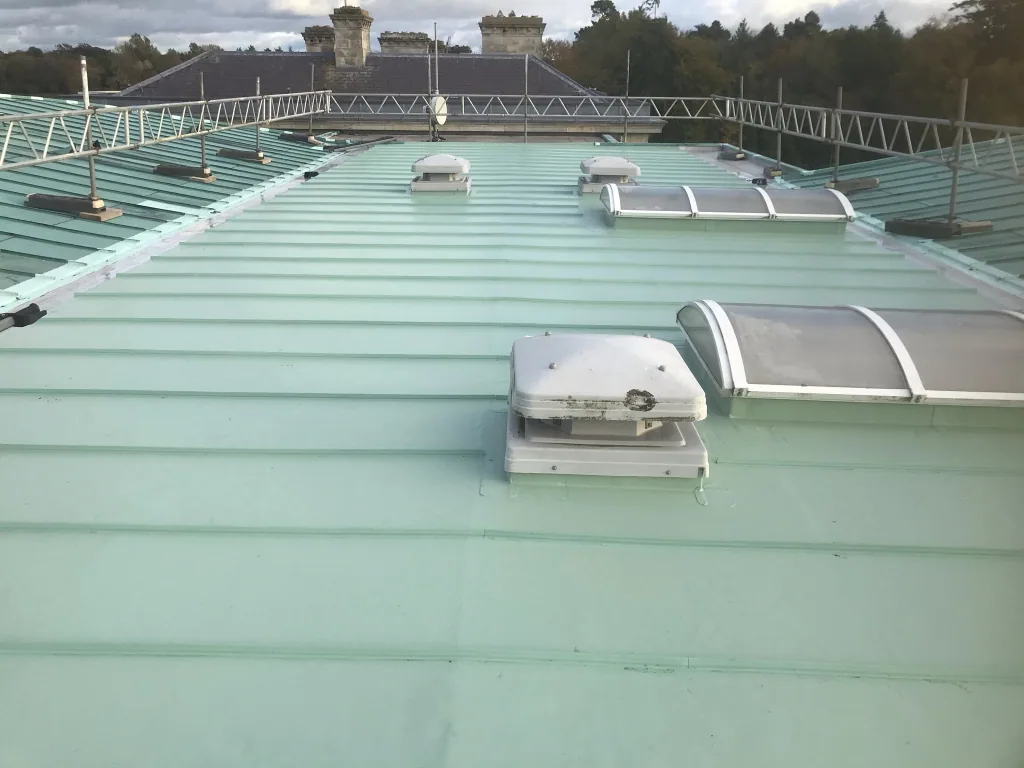
Duro-Last's main membrane is PVC, made into custom-fabricated deck sheets and accessories with factory-welded seams. That only works when the roof layout is known accurately. We check the dimensions, the walls and edges the roof meets and every unit and pipe the membrane has to go around. The sheets are tied to your roof, not treated as a complete installation on their own.
A commercial roof inspection pulls those measurements and equipment locations together before the layout is developed. If a unit is added or moved after our visit, we update the drawing and note what it changes. Old drawings are marked as replaced so the factory builds from the current one. The layout reference stays with the product order, and you can see what's confirmed and what still needs checking before the fabricated layout is approved.
Identify the connections left for the crew
Even with factory seams, the crew still welds the big sheets together on the roof and flashes them into walls, curbs and edges. We show where that field work happens and how it's done for your layout. The factory welds and the field welds are separate parts of the job, and you should know which seams will be made on your roof.
A Sika Sarnafil PVC system is a possible alternative, but its prep and detailing instructions are its own. We compare complete installation methods rather than assuming the two are interchangeable, and each proposal keeps its own product references. If the layout changes the number of field seams or flashings, we explain the revised work before you compare two totals that seem to cover the same roof.
Review accessories against actual components
Duro-Last makes some custom accessories, such as metal scuppers, collector boxes and transition flashings, with membrane skirts already welded on. Each accessory still has to fit the real drain, wall or curb it's connecting to. We check that component and note any repair it needs before installation. A pre-welded skirt doesn't fix a rusted scupper or a cracked wall behind it.
Our roof drain and scupper review covers the drain body, the scupper opening and the downspout before we plan the membrane connection. Any testing or repair by another trade stays listed in the scope. If an opening is a different size than the drawing shows, we record it and fix the detail before that part of the job moves ahead. That way you're comparing complete drainage work, not accessory counts that leave different building repairs unpriced.
Resolve receiving materials before attachment
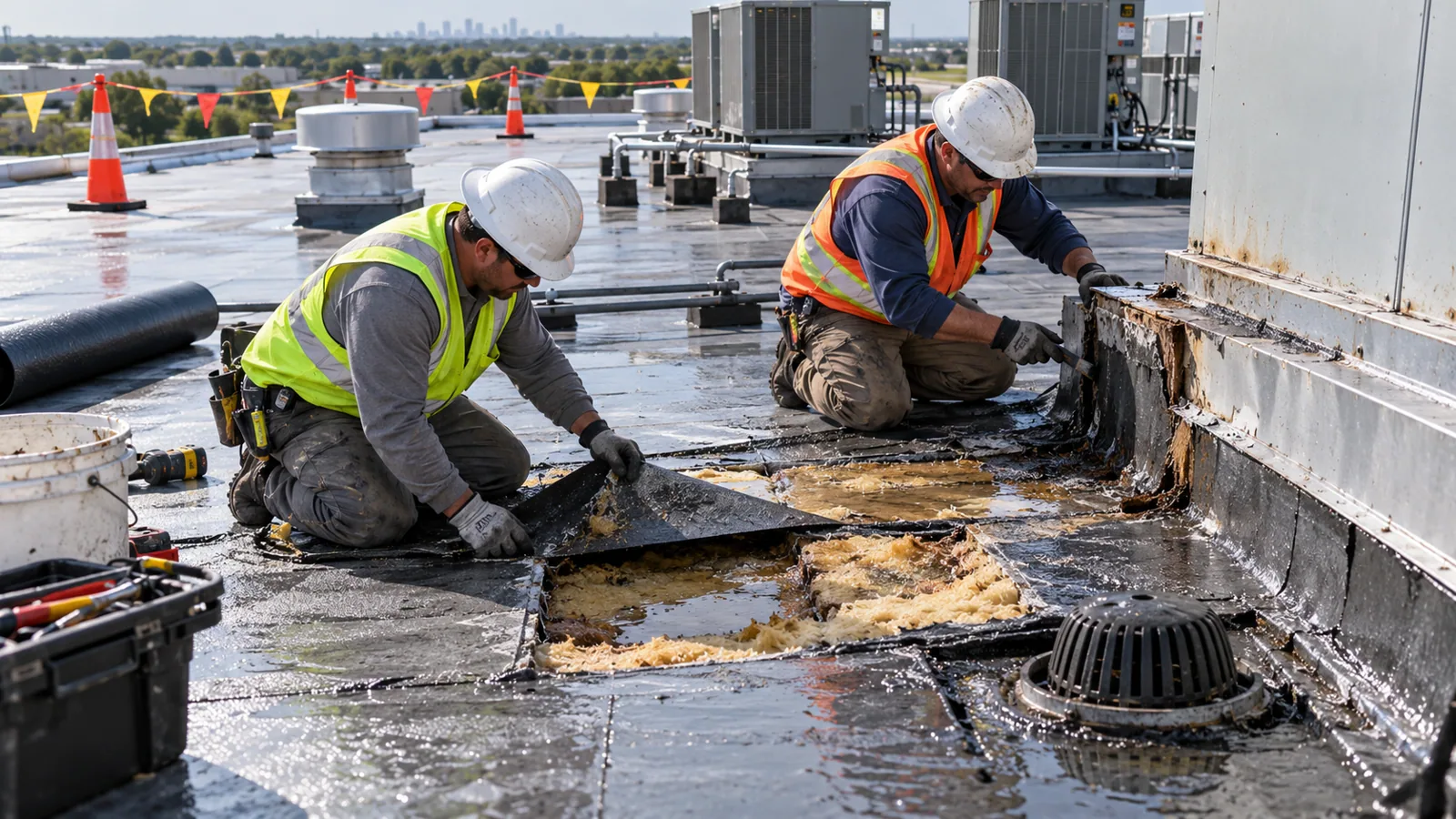
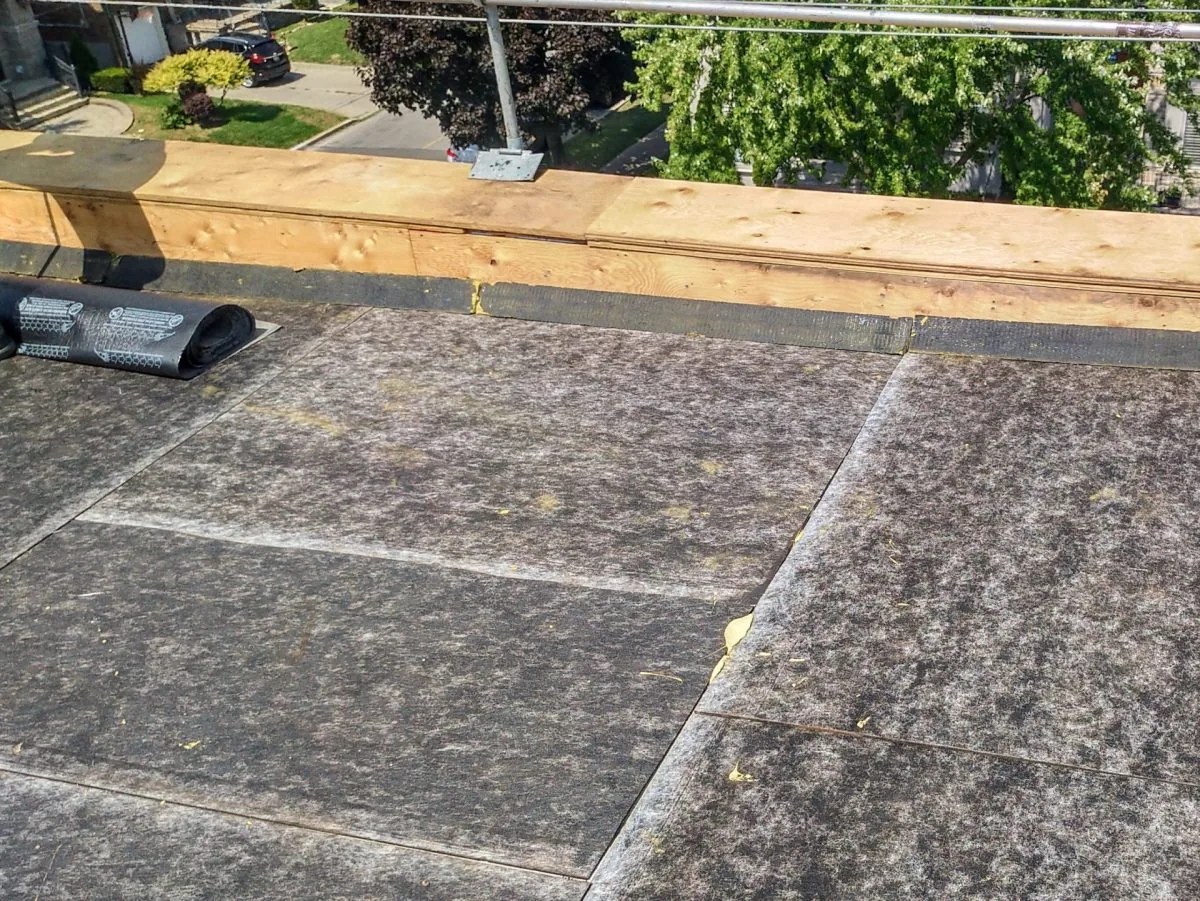
We check what the new membrane will be fastened to and the evidence for keeping any existing material. Where the insulation or deck condition affects fastening or prep, we test before deciding. Tear-off depth and new materials are listed separately. A roof outline that's good enough for laying out sheets doesn't tell us what's under them.
For larger public buildings like the Plano Municipal Center on K Avenue, existing roof records and an inspection would guide that review. Our roof insulation and cover board scope shows the layers being kept and the new insulation or board going under the Duro-Last sheets. If tear-off reveals something different, we document the change before it's covered. You'll see exactly what added work changed the price and where.
Keep local repair separate from new layout work
Sometimes a damaged seam or flashing can be repaired without a new roof. We identify the membrane and the prep it needs before setting the patch size, and we check the surrounding roof and any old repairs that affect the bond. Fixing one damaged spot and laying out a new custom roof are very different jobs, and each needs its own description of what stays, what comes off and what goes on.
A Versico system can be another option for the new-roof route. Each product keeps its own installation method and trade responsibilities. If a different product is proposed partway through planning, we review its seams and flashings instead of treating it as a simple name swap. You can compare a local repair with a full installation and understand why the quantities differ.
Preserve the final layout and field revisions
We keep the installed sheet and accessory information with the final layout drawings and progress photos. Any equipment change or field condition that altered a planned seam or flashing is recorded, along with the revised detail and quantity. The closeout shows what the crew did on the roof, not just what came from the factory.
For Downtown Plano buildings and across the city, anyone inspecting the roof later can find the actual layout. A new roof opening or replaced unit can be checked against the materials and seams recorded. You also have a clear explanation of any layout changes and the conditions behind them, which a single photo of the finished roof can't give you.
Commercial Roofing Questions
What information is needed to lay out a Duro-Last roof?
Accurate roof dimensions and the location of every curb, drain, wall and penetration, matched to the selected product. Anything still unconfirmed is flagged before the layout goes to fabrication.
If seams are factory-welded, what does the crew do on site?
They weld the large sheets together, flash the membrane into walls, curbs and edges and finish every detail. We show where that work happens in the scope.
Does a pre-welded scupper or drain accessory mean the drain is in good shape?
No. We check the scupper, drain body or wall it connects to and note any repair needed, including work by another trade, before installing the accessory.
How does the existing roof underneath affect a Duro-Last installation?
We confirm what's being kept and test where the insulation or deck condition matters. Those findings are handled separately from the measurements used for the sheet layout.
How are layout changes recorded?
We keep the final layout and installed products with notes on any field condition or equipment change, the revised detail and the quantity change behind it.
Develop the layout with its field duties
Schedule a roof review in Plano. We'll measure the roof, record the equipment and explain the Duro-Last layout and the on-site seam and flashing work it needs.
Request a Roof Assessment in Plano
Tell us about the building, the roof and what you are seeing. Send a request or call 555-555-5555.